
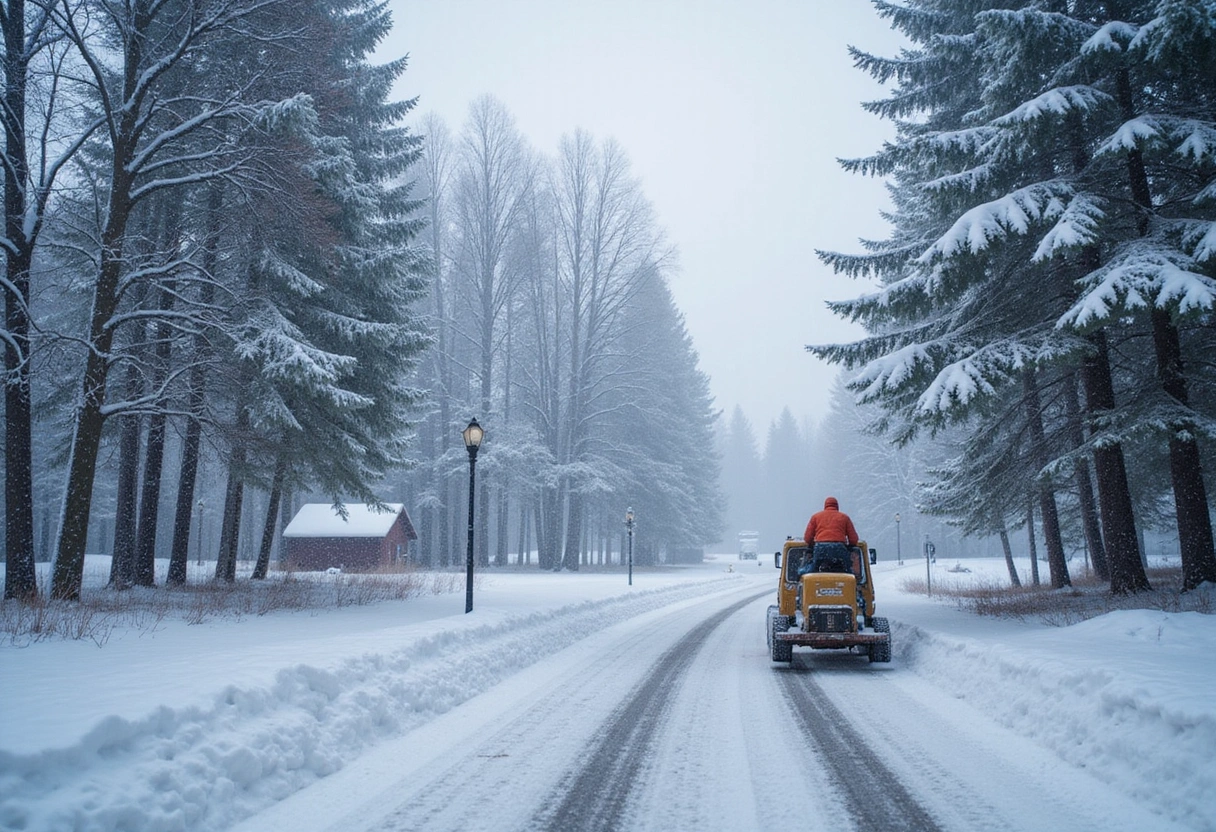
With icy roads, snow accumulation, and the potential for frost damage, it is crucial to be prepared. This article will explore common winter maintenance headaches and provide practical solutions to keep your vehicle and property safe during the colder months.
Navigating Central Oregon's Unique Winter Weather

Central Oregon's winter climate is characterized by significant variations in temperature and precipitation. The region experiences cold nights and sunny days, which can lead to rapid changes in weather conditions. Snowfall is common, especially in the mountains, while valley areas may see freezing rain or sleet. These weather patterns not only create picturesque views but also pose challenges for vehicle performance and safety.
The impact of weather on vehicle performance cannot be overstated. Cold temperatures can lead to reduced battery efficiency, tire pressure changes, and decreased engine performance. Understanding these Central Oregon weather challenges is essential for maintaining your vehicle’s reliability. For example, it is common for batteries to fail in cold weather, so checking battery health before winter sets in can prevent unexpected breakdowns. Additionally, be mindful of road conditions; icy patches can occur suddenly, making it imperative to drive cautiously and keep your vehicle well-maintained.
Essential Car Maintenance Tips for Winter Preparedness
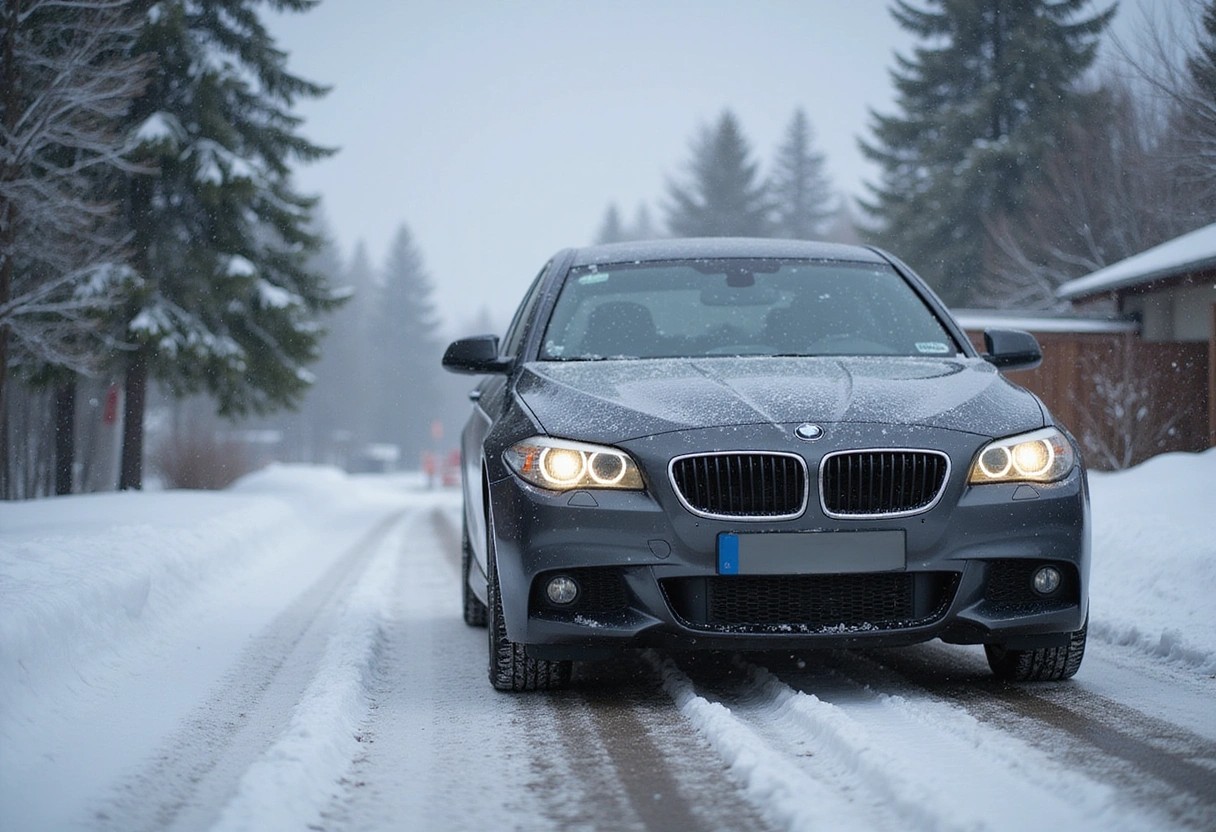
Winter car maintenance is vital for ensuring safety and reliability during the cold months. Proper preparation can prevent many common headaches that arise from neglecting vehicle care. Regular maintenance checks should include inspecting the battery, wiper blades, lights, and tires to ensure they are in good working order. Cold weather can exacerbate existing issues, leading to costly repairs if not addressed promptly.
Creating a vehicle winterization checklist can help streamline the process of getting your car ready for winter. Here are some essential items to include:
- Battery inspection: Ensure that the battery is fully charged and connections are clean.
- Tire check: Verify that tires are properly inflated and consider switching to winter tires for better traction.
- Fluid levels: Check and top off antifreeze, oil, and windshield washer fluid.
- Wiper blades: Replace worn blades to ensure visibility during snow and rain.
- Emergency kit: Equip your car with an emergency kit that includes blankets, snacks, and basic tools.
By following these winter maintenance tips, you can help ensure that your vehicle remains dependable throughout the winter season.
Effective Snow Removal Techniques for Homeowners
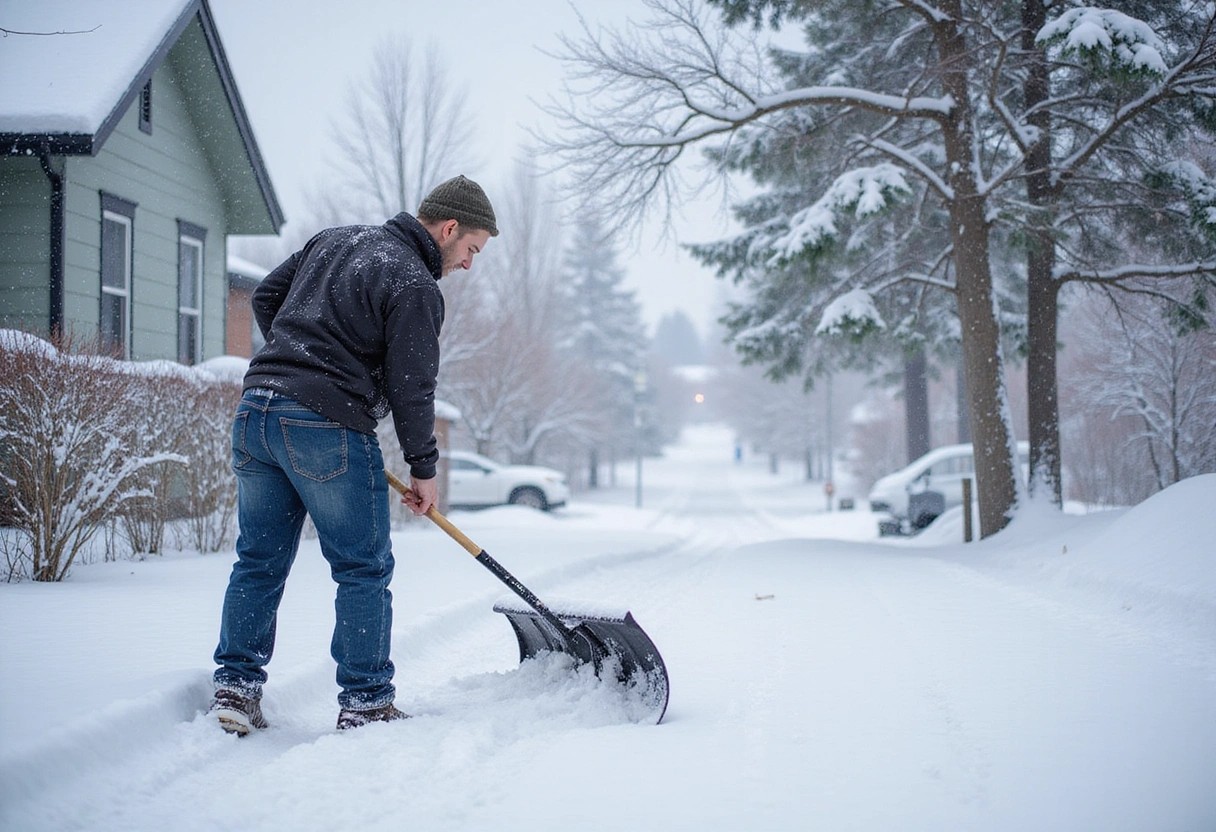
Snow accumulation can create hazardous conditions for homeowners and their properties. Effective snow removal is essential not only for safety but also for maintaining property value. Neglecting snow removal can lead to ice formation, which poses risks for slips and falls, as well as potential damage to structures.
To efficiently remove snow, homeowners should invest in the right tools and techniques. Some effective snow removal methods include:
- Using a snow shovel: A good-quality, ergonomic shovel can make snow removal less strenuous and more efficient.
- Snow blowers: For larger areas, a snow blower can save time and effort, particularly after heavy snowfall.
- Salt and sand: Applying de-icing agents can help prevent ice from forming on driveways and walkways.
Regularly clearing snow and ice from driveways, sidewalks, and roofs can also prevent damage caused by the weight of accumulated snow. Staying proactive about snow removal will help maintain safety and protect your property during the winter months.
Preventing Frost Damage and Ensuring Road Safety
Frost damage is a significant concern for vehicle owners during the winter months. When temperatures drop, moisture can freeze and expand, leading to cracks in windshields and other vehicle components. Understanding the risks associated with frost damage can help drivers take preventive measures.
One effective strategy for frost damage prevention is to park vehicles in a garage or under a carport whenever possible. This not only protects vehicles from frost but also from the elements in general. If outdoor parking is necessary, using windshield covers can help prevent frost from forming overnight.
Ensuring road safety in winter also involves understanding driving conditions and adjusting behavior accordingly. Cold weather driving tips include:
- Reducing speed on icy or snowy roads.
- Increasing following distance to allow for longer stopping times.
- Avoiding sudden maneuvers that could lead to loss of control.
By implementing these strategies, drivers can minimize the risks associated with frost damage and improve overall road safety during winter.
The Intersection of Winter Maintenance and Property Management
Understanding winter maintenance headaches in Central Oregon is essential for homeowners and property owners alike. The challenges posed by the winter season require a proactive approach to vehicle and property care. For independent landlords and small portfolio property owners, maintaining your properties during winter can be particularly demanding, as tenant safety and satisfaction are paramount.
RentalRiff can support you in managing these winter challenges effectively. With our services tailored for independent landlords, you can receive professional maintenance and tenant support without the expense of full-service property management. Our team is equipped to help you implement the winter maintenance tips outlined in this article, ensuring that both your vehicles and properties remain safe and functional throughout the season.