

Regular roof inspections matter because damage rarely starts where you can see it. Hidden leaks form at seams and flashing intersections, moisture saturates underlayment silently, and mold establishes itself long before it's visible. Without routine inspections, a minor $300 repair can escalate into a $30,000 replacement. Your roof can look completely intact while structural components quietly deteriorate beneath the surface. What's actually happening up there might surprise you.
Key Takeaways
- Regular inspections uncover hidden leaks at seams and intersections that aren't visible during routine property walkthroughs.
- Minor undetected leaks can saturate underlayment and decking, turning small repairs into costly full replacements.
- Early mold detection during inspections prevents health risks and stops further spread before it becomes visible.
- Inspections identify moisture-saturated insulation, helping maintain energy efficiency and reducing tenant complaints.
- Documented inspection records protect property value during appraisals, resales, and insurance compliance reviews.
What's Actually Happening Under a Roof That Looks Fine
A roof that looks intact from the ground can be actively failing in ways that won't show up inside your home for months or even years. Shingle deterioration from prolonged weather exposure weakens surface protection before visible cracking appears.
Moisture buildup accelerates within the underlayment, compromising structural integrity while your ceilings stay dry. Ventilation issues trap heat and humidity, degrading aging materials and creating ideal conditions for mold growth.
Insulation problems reduce thermal efficiency and accelerate deck deterioration from below. Pest intrusion often establishes well before you notice interior evidence.
Hidden leaks migrate along rafters, depositing damage far from their entry point. Without thermal imaging or a professional inspection, these failures compound silently—turning a manageable repair into a costly replacement. Regular inspections are crucial for identifying early problems that may not be immediately visible.
The Hidden Damage Regular Roof Inspections Catch Early
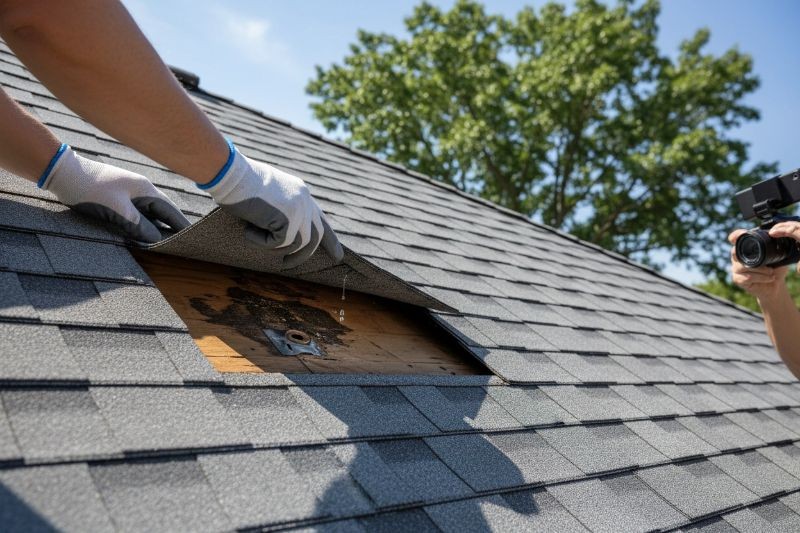
Regular roof inspections catch damage that visual checks from the ground simply can't detect. A qualified inspector identifies hidden leaks forming at flashing seams, pipe boots, and valley intersections before water infiltrates your ceiling assembly.
They assess structural integrity by examining decking for soft spots, rot, and fastener failure that compromise load-bearing capacity. Early detection also exposes mold growth developing inside your attic cavity, insulation issues caused by moisture saturation reducing thermal performance, and pest infestations where insects or rodents have breached roofing materials.
Each of these conditions accelerates deterioration silently. Addressing them during routine inspections directly extends your roof lifespan, preventing premature replacement costs. Waiting until damage becomes visible means you're already managing a notably more expensive and disruptive repair situation. Additionally, regular inspections contribute to tenant safety and satisfaction by ensuring that all property systems are functioning properly.
How Small Roof Problems Turn Into Expensive Repairs
What inspectors catch early stays manageable—what gets missed compounds fast. Minor leaks bypass surface materials and saturate underlayment, decking, and framing within months.
Once moisture reaches structural components, you're no longer dealing with a patch—you're facing full deck replacement. Hidden mold follows quickly, spreading through insulation before it's visible from inside the unit.
Drainage issues accelerate deterioration by pooling water against flashing and seams, while repeated weather impacts exploit existing wear patterns, widening small gaps into significant breaches.
Insulation problems develop silently, driving up energy costs and tenant complaints before you connect them to roof failure.
Contractor recommendations made during routine inspections stop this chain reaction early. Regular roof maintenance doesn't save money—it multiplies repair costs across multiple systems simultaneously.
How Often Should Rental Properties Get a Roof Inspection?
Most rental properties benefit from a professional roof inspection at least once a year, with twice-yearly inspections recommended for older roofs or properties in high-precipitation climates like Seattle, Tacoma, or Portland.
You should also schedule an inspection after any major storm event, regardless of your routine maintenance calendar.
That said, your specific inspection frequency depends on factors like roof age, material type, local weather patterns, and the property's maintenance history. Regular inspections can help identify issues like loose shingles before they lead to costly repairs.
Standard Inspection Frequency Guidelines
Scheduling two roof inspections per year—once in spring and once in fall—gives rental property owners a reliable baseline for catching damage before it compounds.
Seasonal impact considerations drive this cadence:
- Spring: Assess winter freeze-thaw damage, ice damming, and debris accumulation.
- Fall: Identify vulnerabilities before heavy rain, snow loads, or windstorms arrive.
- Post-severe weather: Schedule an additional inspection following hail, high winds, or significant storms.
- Older roofs (15+ years): Increase frequency to three inspections annually.
Modern inspection technology advancements—including drone imaging and infrared thermography—make it easier to detect moisture intrusion, membrane failures, and flashing deterioration without physical access.
You'll catch developing problems earlier, reduce emergency repair costs, and extend your roof's serviceable lifespan with a consistent, structured inspection schedule.
Factors Affecting Inspection Schedules
While twice-yearly inspections serve as a reliable baseline, several variables can push your inspection schedule beyond that standard cadence. Roof age, material type, and local climate all function as inspection triggers that warrant more frequent evaluation.
Properties in Seattle, Portland, or Tacoma face persistent moisture exposure, while Denver and Bend properties contend with heavy snow loads and freeze-thaw cycles—both demanding stronger seasonal considerations.
Additional triggers include nearby tree canopy, previous storm activity, and any history of prior repairs. Older roofs, particularly those over 15 years, require tighter monitoring intervals regardless of apparent condition.
If your property recently experienced high winds, hail, or ice damming, schedule an inspection immediately rather than waiting for the next calendar interval. Proactive scheduling prevents minor vulnerabilities from compounding into structural failures.
What to Expect During a Professional Roof Inspection
A professional roof inspection covers several key areas that give you a clear picture of your roof's current condition and remaining lifespan.
Verify your inspector holds proper licensing and certifications—inspector qualifications directly impact the accuracy of your assessment.
A thorough inspection checklist typically includes:
- Shingle condition – checking for curling, cracking, missing pieces, or granule loss
- Flashing integrity – examining seals around chimneys, vents, and skylights for gaps or corrosion
- Structural assessment – identifying sagging, uneven planes, or compromised decking
- Drainage evaluation – confirming gutters, downspouts, and slopes are directing water effectively
After the inspection, you'll receive a detailed written report outlining identified issues, recommended repairs, and estimated timelines.
This documentation helps you prioritize maintenance decisions and supports insurance or warranty claims when needed. Regular inspections can prevent issues from escalating into costly repairs that diminish property value.
How Roof Inspections Protect Your Tenants and Your Investment
Regular roof inspections shield you from tenant disputes by giving you documented proof that you've upheld your maintenance obligations, reducing your liability when issues arise. Catching deteriorating flashing, failing seams, or compromised underlayment early keeps repair costs a fraction of what full replacement or water damage remediation would run. Consistent inspection records also support your property's appraised value and signal to insurers, lenders, and future buyers that the asset has been responsibly maintained. Additionally, staying proactive with inspections can help prevent issues like roof wear and drainage damage, which are common in Seattle’s rainy climate.
Preventing Costly Tenant Disputes
Roof problems that go unaddressed don't just damage your property—they create the conditions for tenant disputes, habitability complaints, and potential legal liability.
Documented inspections strengthen your position in dispute resolution by proving proactive maintenance. Consistent roof care directly supports tenant satisfaction by preventing the disruptive issues tenants escalate.
Regular inspections help you avoid four costly dispute triggers:
- Water intrusion causing interior damage to tenant belongings
- Mold growth resulting from undetected moisture infiltration
- Habitability violations tied to deteriorating structural integrity
- Lease disputes over delayed or neglected repair responses
When you maintain inspection records, you establish a clear timeline of due diligence.
That documentation protects you legally and demonstrates a standard of care tenants and courts both recognize.
Early Detection Saves Money
Catching roof issues early can be the difference between a $300 repair and a $30,000 replacement. Routine inspections identify compromised flashing, failing sealants, and minor membrane damage before they escalate into structural failures or interior water intrusion.
You're not just protecting materials—you're protecting your tenant's living conditions and your liability exposure.
Preventative maintenance keeps small defects from compounding. A cracked vent boot costs little to reseal; left unaddressed, it channels water into decking, insulation, and drywall over multiple seasons.
That progression multiplies repair costs exponentially.
Inspections also support accurate budget planning. When you know your roof's current condition, you can forecast replacement timelines, set aside reserves, and avoid emergency expenditures that strain cash flow.
Proactive data beats reactive spending every time.
Maintaining Property Value Long-Term
A well-maintained roof directly sustains your property's appraised value, rental marketability, and long-term return on investment. Neglecting inspections accelerates depreciation and undermines property appreciation over time.
For long term investments, consistent roof maintenance delivers measurable financial protection:
- Appraisal integrity – Documented inspection records strengthen appraisals during refinancing or resale.
- Insurance compliance – Insurers reduce claim approvals on properties lacking maintenance documentation.
- Tenant retention – Structurally sound roofs signal quality housing, reducing costly vacancy cycles.
- Resale positioning – Buyers discount properties with deferred roofing maintenance, directly impacting your sale price.
Scheduling inspections annually, and after major weather events, keeps your roof performing at full capacity while protecting the asset's core financial value.
Frequently Asked Questions
Does Homeowner's Insurance Cover Roof Inspections for Rental Properties?
Homeowner's insurance policies typically don't cover routine roof maintenance inspections—they're your responsibility as a landlord. You'll need to budget separately for inspections, as coverage usually only applies to sudden, accidental damage events.
Can Tenants Request a Roof Inspection Without Landlord Approval?
Tenants can't typically request a roof inspection without landlord approval, though tenant rights vary by state. You should review your lease and local laws to understand proper inspection frequency and escalation procedures for maintenance concerns.
Are Roof Inspection Costs Tax-Deductible for Rental Property Owners?
Yes, you can deduct roof inspection costs as a property maintenance expense on your rental taxes. These tax benefits help offset operational costs, so consult your tax advisor to maximize your deductions accurately.
Do Roof Inspections Affect Rental Property Resale Value or Appraisals?
Yes, regular roof inspections directly boost your property value and strengthen appraisals. Documented roof maintenance records signal to appraisers and buyers that you've proactively protected the asset, potentially increasing resale offers and minimizing negotiated price reductions.
Should Roof Inspections Be Documented in the Lease Agreement?
You don't need to include roof inspections in the lease, but documenting lease obligations around inspection frequency protects you legally, sets clear expectations, and demonstrates proactive property stewardship—strengthening your position if disputes arise.
Conclusion
Your roof doesn't wait for a convenient time to fail. Every season introduces new stressors — UV degradation, moisture infiltration, thermal cycling — that compound quietly beneath a surface that still looks intact. Scheduling regular professional inspections isn't a discretionary expense; it's a risk management strategy. You'll catch failing flashing, compromised underlayment, and early-stage leaks before they escalate into structural repairs, tenant disputes, or insurance claims. Don't let invisible damage dictate your timeline.