

A minor drip can escalate into a major insurance problem faster than you'd expect. One drop per second wastes thousands of gallons weekly while silently saturating insulation, warping subfloors, and triggering mold growth within 48 hours. Most policies exclude gradual damage, meaning your insurer can deny your claim if they determine the leak resulted from neglect. Documentation, early detection, and prompt repairs are your strongest defenses—and understanding exactly where and why these failures occur changes everything.
Key Takeaways
- Slow drips can accumulate gallons of water weekly, causing concealed damage to walls, flooring, and insulation that escalates repair costs significantly.
- Most insurance policies exclude gradual damage, meaning slow leaks ignored over time are often classified as negligence and denied coverage.
- Mold can colonize within 24 to 48 hours of moisture exposure, rapidly transforming a minor drip into a costly remediation claim.
- Water damage remediation costs range from $1,000 to over $10,000, making delayed repairs far more expensive than early intervention.
- Documented, timely repairs demonstrate proactive management, strengthening your insurance claims position and preserving coverage eligibility.
How a Small Drip Turns Into Serious Water Damage
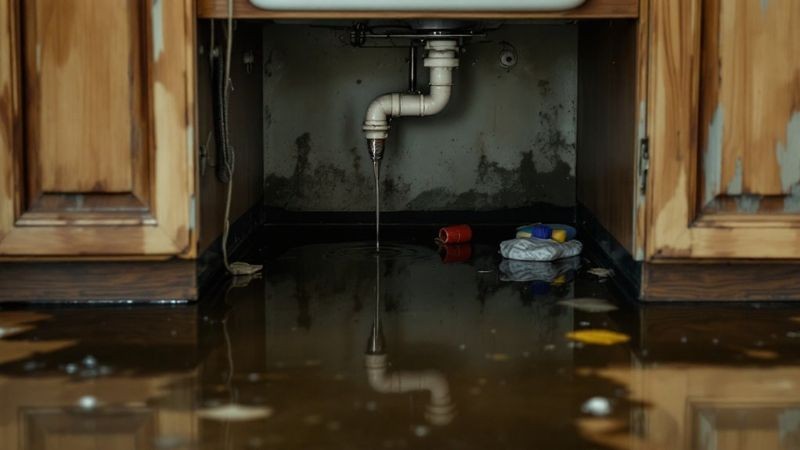
A slow drip from a faucet or pipe joint may seem insignificant, but water follows the path of least resistance—and that path often leads behind walls, under flooring, and into structural framing.
Over time, even a drip rate of one drop per second deposits gallons of water into concealed spaces weekly. Without drip detection measures in place, that moisture saturates insulation, degrades subfloor materials, and promotes mold colonization within 24 to 48 hours of sustained exposure.
Moisture monitoring tools—including smart sensors placed near supply lines, shutoff valves, and appliance connections—give you early visibility into leaks before they escalate. Implementing proper drainage systems can further mitigate the risks associated with water damage.
Why Insurance Often Won't Cover Slow Leaks
When a slow leak causes water damage, don't count on your insurance policy to cover the repairs.
Most homeowner and landlord policies include gradual damage exclusions, meaning insurers can deny claims for any loss that developed over time rather than occurring suddenly.
If an adjuster determines that you knew—or should have known—about a leak and failed to act, they'll classify the damage as negligence, voiding your coverage entirely. Establishing a systematic procedure for reporting repairs can help mitigate risks and ensure timely action.
Negligence Voids Your Coverage
Most homeowners insurance policies won't cover water damage from slow leaks because insurers classify ignored maintenance issues as negligence. If you knew about a dripping pipe, a deteriorating seal, or a corroded fitting and failed to act, your insurer can deny your claim outright.
Common negligence examples include ignoring visible water stains, skipping routine inspections, or delaying repairs after a tenant reports a problem. These aren't edge cases—they're the primary reasons claims get denied.
The coverage implications are significant. You could be responsible for structural repairs, mold remediation, and damaged personal property without any financial assistance.
Documentation matters too. If you can't prove timely action, adjusters will assume inaction. Proactive maintenance isn't optional—it's your first line of defense against a denied claim.
Gradual Damage Exclusions Apply
Negligence isn't the only reason your claim gets denied—your policy's language itself may work against you. Most standard homeowner and landlord policies contain explicit gradual damage exclusions, meaning slow deterioration and gradual wear aren't covered events. Insurers classify these as maintenance failures, not sudden losses.
Policies typically exclude damage resulting from:
- Continuous water seepage occurring over weeks or months
- Gradual wear of pipe joints, seals, or supply lines
- Slow deterioration of caulking around fixtures or connections
- Repeated moisture exposure causing mold or structural rot
If the damage didn't happen suddenly, your insurer won't pay. Document repair dates, inspection records, and any professional assessments to establish timelines.
This evidence either supports your claim or helps you dispute a denial effectively.
Proving Sudden Versus Slow
The burden of proof falls on you when filing a water damage claim, and insurers scrutinize the timeline aggressively.
Adjusters distinguish sudden leaks from slow leaks by examining moisture patterns, mold growth stages, and material deterioration. Staining, warping, and corrosion consistent with prolonged exposure signals gradual damage—disqualifying the claim.
Your repair timelines and tenant communication records become critical evidence. If tenants reported dripping faucets or soft flooring weeks before you filed, adjusters interpret that gap as negligence. Document every report, response, and repair order with timestamps.
During damage assessment, insurers may request plumber evaluations confirming an acute pipe failure rather than chronic seepage.
Without that documentation, insurance claims for water damage often collapse entirely—leaving you responsible for the full repair cost.
The Hidden Costs Landlords Don't See Coming
When you put off fixing a slow drip or a minor pipe joint failure, you're not just delaying a small repair—you're compounding the final cost.
Water intrusion that goes unaddressed for weeks can rot subfloor material, compromise drywall, and trigger mold remediation expenses that dwarf the original fix.
Worse, your insurance policy likely won't cover the damage, leaving you to absorb costs that proper maintenance would've prevented entirely. Additionally, a proactive maintenance strategy can help identify and resolve these issues before they escalate into major problems.
Delayed Repairs Cost More
Ignoring a minor plumbing issue rarely stays cheap. Delayed repairs compound costs fast, turning a $50 fix into thousands in damages. Skipping tenant notifications and routine inspections accelerates this cycle.
Here's what delayed plumbing repairs typically cost you:
- Water damage remediation – Mold growth and structural rot from prolonged leaks run $1,000–$10,000+
- Drywall and flooring replacement – Saturated materials require full removal and reinstallation.
- Increased water bills – A slow leak wastes thousands of gallons monthly.
- Insurance complications – Carriers may deny claims if negligence caused preventable damage.
You're legally and financially responsible for maintaining habitable conditions. Every day you delay a known repair, you're compounding liability.
Act on tenant notifications immediately and schedule routine inspections before small drips escalate into major claims.
Insurance Gaps Hurt Landlords
Most landlords don't realize their insurance policies have gaps until a claim gets denied. Coverage limitations often exclude water damage traced back to neglected maintenance, shifting full financial liability onto you.
Insurers conduct thorough risk assessments post-claim, and if your maintenance strategies don't demonstrate consistent property inspections, documented tenant communication, or active leak detection practices, they'll reject your claim outright.
Your landlord responsibilities extend beyond collecting rent. You're legally and contractually obligated to act on known deficiencies.
Failing to implement preventative measures signals negligence, which voids coverage and escalates cost implications considerably. A denied $40,000 water damage claim because you skipped a $200 inspection isn't a policy problem — it's a management failure.
Protect your investment by closing those gaps before a drip forces your hand.
Where Plumbing Problems Most Often Start in Rentals
Plumbing problems in rentals don't appear randomly—they cluster around specific, predictable failure points. Knowing your property's plumbing hotspots lets you get ahead of common leaks before they escalate into insurance claims.
These four locations generate the majority of rental plumbing failures:
- Supply line connections beneath sinks and behind toilets, where braided lines degrade and fail without warning.
- Water heater fittings and pressure relief valves, which corrode and weaken over time.
- Tub and shower caulking, where moisture penetrates deteriorating seals and damages subfloor material.
- Garbage disposal connections, which loosen under regular use and leak into cabinet bases.
Each of these points shares one trait—they're easy to overlook during routine walkthroughs but expensive to ignore once failure occurs. Additionally, awareness of plumbing history can help tenants anticipate and address these issues before they become major problems.
Catching Minor Plumbing Issues Before They Escalate
Small plumbing failures don't stay small. Early detection is your most effective cost-control strategy. Incorporate plumbing checklists into regular inspections—check supply lines, valves, drain flow rates, and visible pipe connections twice yearly.
Seasonal upkeep matters: insulate exposed pipes before winter and inspect water heaters and outdoor hose bibs each fall.
Landlord responsibilities extend beyond repairs. Tenant education is equally critical. When tenants know how to identify a slow drain, a running toilet, or unusual water pressure, they report problems faster. That's where tenant communication protocols earn their value.
Preventive maintenance programs—structured, recurring, and property-specific—close the gap between what tenants notice and what becomes a claim. Don't wait for damage to confirm what an inspection would've caught weeks earlier. Additionally, regular inspections help maintain property compliance with local regulations, reducing the risk of costly fines.
Why Faster Repairs Mean Fewer Insurance Headaches
When a minor plumbing issue goes unrepaired, your insurance exposure grows with every passing day.
Faster repairs directly reduce your claims risk by limiting damage progression. Prioritizing preventive maintenance and proactive tenant communication keeps small issues from becoming costly claims.
Faster repairs protect you by:
- Reducing damage scope — stopping water infiltration before it affects structural components or multiple units
- Strengthening your claims position — demonstrating you acted promptly if a claim does occur
- Preserving coverage eligibility — insurers can deny claims when neglect is evident
- Lowering premium exposure — fewer claims mean fewer rate increases at renewal
Document every repair, every tenant communication, and every inspection. That paper trail tells your insurer you run a well-maintained property—not a liability waiting to happen.
Frequently Asked Questions
Can Tenants Be Held Liable for Unreported Plumbing Leaks in Rentals?
Yes, you can hold tenants liable if they neglect tenant responsibilities by failing to report leaks promptly. Their inaction compromises leak prevention efforts, potentially making them financially responsible for resulting water damage under most lease agreements.
How Do I Document a Plumbing Issue for an Insurance Claim?
Document the issue by photographing all visible damage, noting discovery dates, and logging repair invoices. You'll strengthen your insurance process by including leak detection reports, contractor assessments, and written tenant communications as supporting evidence.
Does Renters Insurance Ever Cover Water Damage From Slow Leaks?
Renters insurance rarely covers water damage from slow leaks, as most policies exclude gradual damage. Your insurance coverage typically applies only to sudden, accidental incidents—so you'll want to address leaks immediately to avoid denied claims.
How Quickly Should a Landlord Legally Respond to Plumbing Complaints?
As a landlord, you must address plumbing complaints within 24–72 hours under most state laws. Your landlord responsibilities require prompt action, protecting tenant rights and preventing minor drips from escalating into costly, claim-triggering water damage.
Are Plumbing Repairs Tax Deductible for Rental Property Owners?
Yes, you can deduct plumbing repairs as rental expenses on your taxes. These tax deductions apply to routine fixes, but larger improvements must be capitalized and depreciated over time instead.
Conclusion
Don't let a slow drip quietly drain your investment. When you catch plumbing issues early, document repairs thoroughly, and respond quickly to tenant reports, you're protecting both your property and your insurance standing. Slow leaks rarely qualify for coverage, but preventable damage is always more costly than a service call. Build a proactive maintenance system, keep your records tight, and you'll stay ahead of the claims that catch unprepared landlords off guard.