
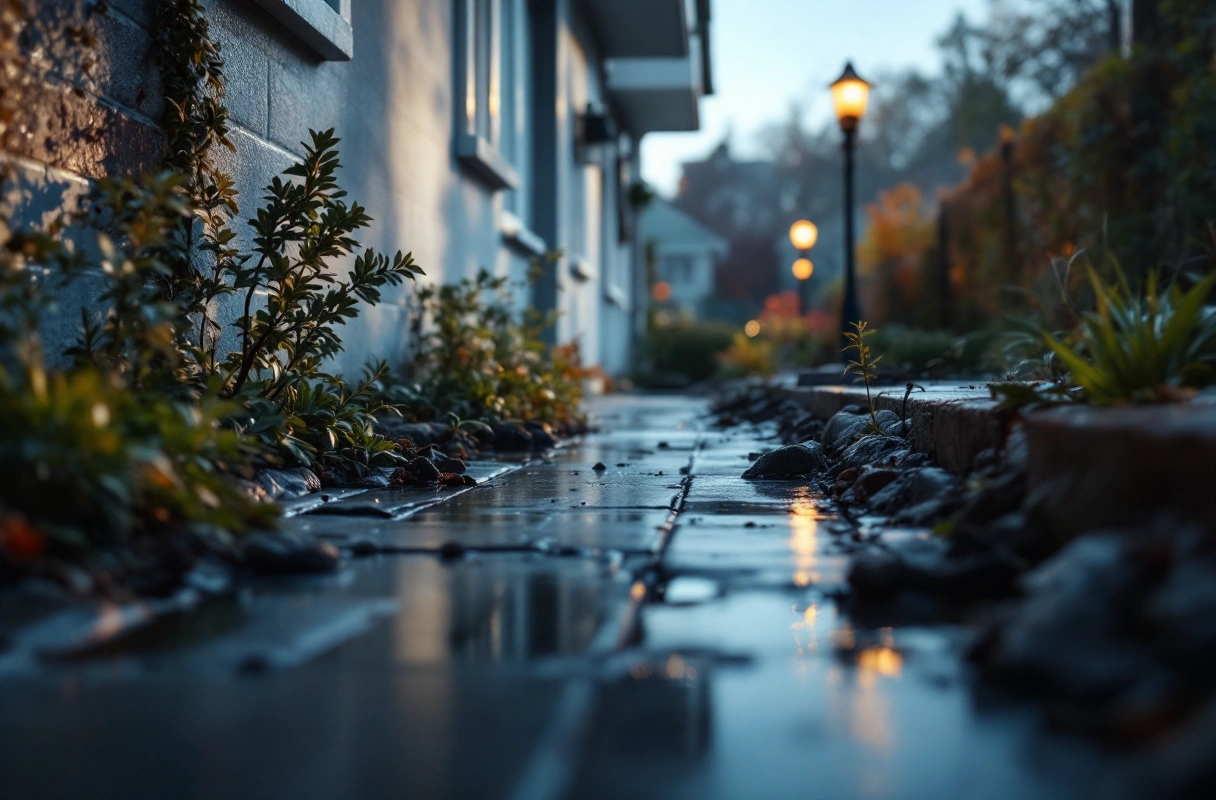
Drainage issues in rental units can lead to significant problems, from water damage to tenant dissatisfaction. These problems, if left unaddressed, can escalate quickly, causing structural damage and impacting the living conditions for tenants. This article will guide landlords and tenants through the steps to take when facing drainage issues, including prevention, repair tips, and understanding rights and responsibilities.
Understanding Common Drainage Problems in Rental Units
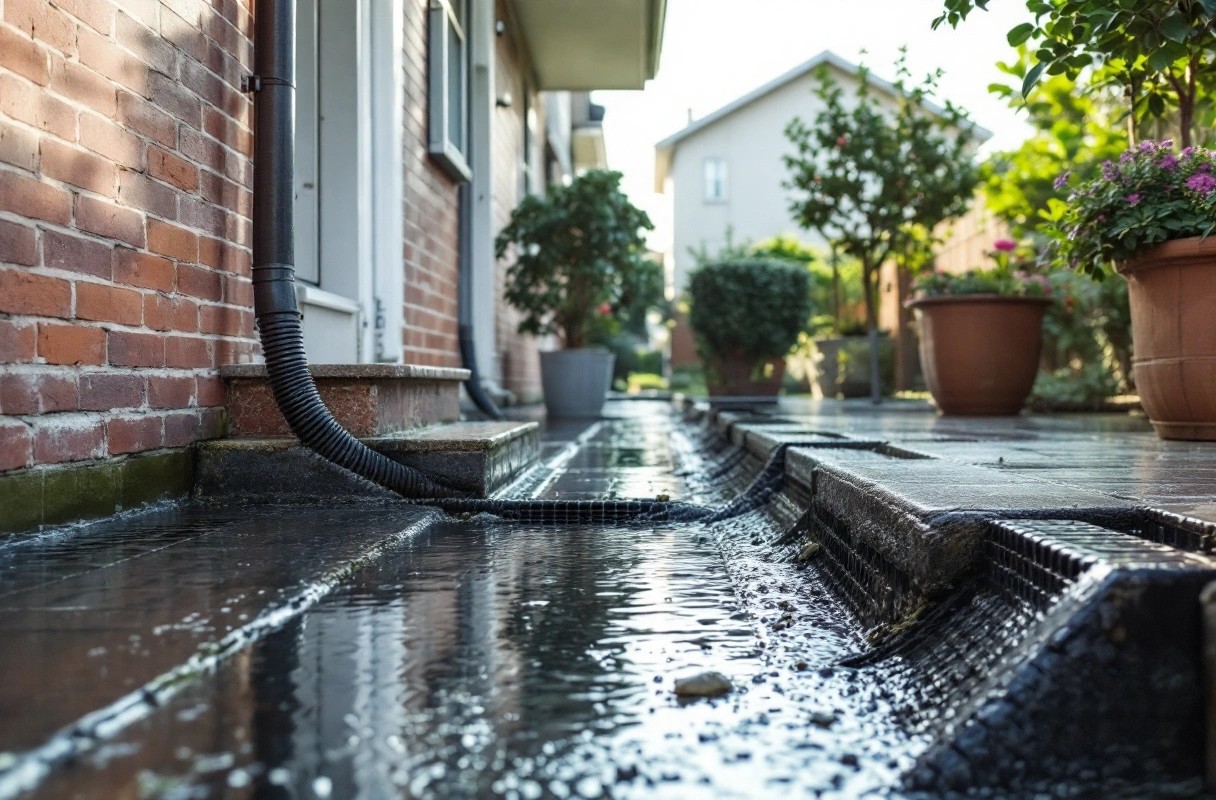
Common drainage problems in rental units often arise from a combination of factors such as aging infrastructure, improper maintenance, and environmental conditions. Some of the most prevalent issues include clogged drains, slow drainage, and flooding. Clogged drains are typically caused by the accumulation of debris, hair, and grease, while slow drainage may indicate a more severe blockage further down the plumbing system. Flooding can occur when drainage systems are overwhelmed by heavy rainfall or when there are issues with the building's foundation or landscaping.
These problems can lead to significant water damage in units, which not only affects the property but also poses health risks to tenants. Mold growth is a common consequence of unresolved drainage issues, leading to respiratory problems and other health concerns. Additionally, water damage can compromise the structural integrity of a building, resulting in costly repairs and potential legal ramifications for landlords.
Step-by-step Guide to Fixing Drainage Issues
Addressing drainage problems requires a systematic approach, whether you are a tenant or a landlord. Here are essential steps to consider:
- Identify the Problem: Start by determining the nature of the drainage issue. Is it a clogged sink, slow drainage, or a more severe flooding situation? Understanding the problem will help in deciding the next steps.
- DIY Solutions: For minor issues like clogged drains, tenants can often use basic tools like plungers or drain snakes. A mixture of baking soda and vinegar can also effectively clear minor blockages. However, it is crucial to avoid using chemical drain cleaners, as they can damage pipes.
- Professional Help: If the problem persists or is severe, it is advisable to contact a professional plumber. Landlords should have a reliable maintenance team or plumber on call for such emergencies.
- Document the Issue: Regardless of the approach taken, documenting the issue with photos and written descriptions can be beneficial for both tenants and landlords, especially if the situation escalates.
By following these steps, both tenants and landlords can effectively address drainage problems and prevent further complications.
Preventative Measures for Future Drainage Issues
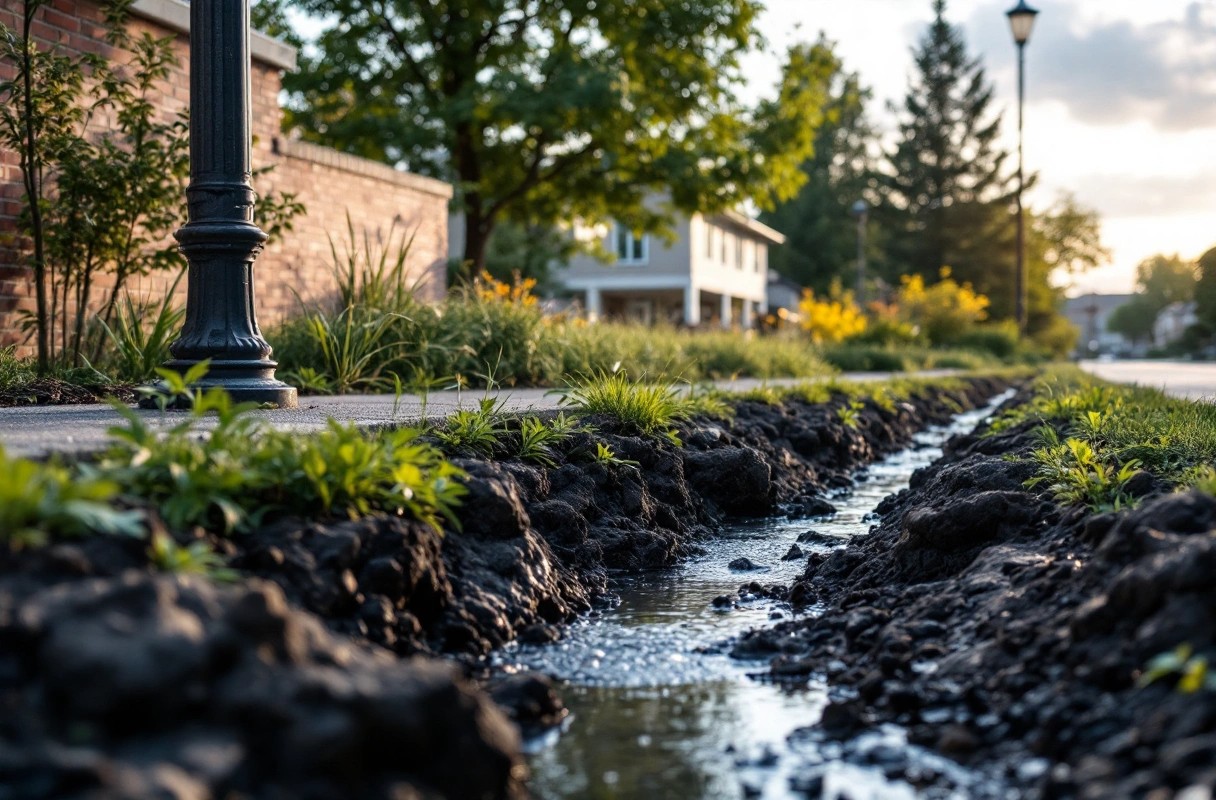
Preventing drainage issues is significantly easier than fixing them after they occur. Both landlords and tenants can implement several best practices to maintain drainage systems effectively:
- Regular Maintenance: Landlords should schedule routine inspections of plumbing systems, including checking for leaks and ensuring that all drains are clear of debris.
- Tenant Education: Tenants should be educated about what can and cannot be disposed of down the drain. Simple instructions about avoiding flushing non-biodegradable items can prevent many common drainage problems.
- Landscaping Considerations: Proper landscaping can divert water away from the foundation of a building, reducing the risk of flooding. This includes ensuring that gutters and downspouts are functional and directing water away from the property.
Regular maintenance and open communication between landlords and tenants can significantly reduce the likelihood of future drainage issues.
Understanding Tenant Rights and Landlord Responsibilities
Landlords have legal obligations regarding drainage issues that can affect the safety and habitability of rental units. Generally, landlords are responsible for maintaining the plumbing and ensuring that all drainage systems are functioning properly. If a tenant reports a drainage problem, landlords are typically required to address the issue promptly to prevent further damage and ensure tenant safety.
Tenants have rights when facing drainage issues. If a problem arises, tenants should notify their landlord immediately and document the issue. If a landlord fails to address the problem within a reasonable timeframe, tenants may have the right to take further action, including withholding rent or seeking legal remedies. Understanding these rights and responsibilities is essential for both parties in maintaining a healthy rental relationship.
Effective Drainage Repair Tips for Landlords and Tenants
Effective communication is key when dealing with drainage repairs. Here are some practical tips for both landlords and tenants:
- Open Dialogue: Maintain an open line of communication regarding maintenance issues. Tenants should feel comfortable reporting problems, and landlords should provide timely responses.
- Document Everything: Keep thorough records of all communications and repairs related to drainage issues. This documentation can be vital if disputes arise.
- Set Clear Expectations: Landlords should clearly outline their maintenance policies in the lease agreement, including timelines for addressing maintenance requests. This clarity helps manage tenant expectations.
By focusing on these strategies, landlords and tenants can foster a more cooperative environment, ensuring that drainage issues are addressed efficiently.
Navigating Drainage Issues with RentalRiff
Understanding what to do when drainage issues affect your rental unit is essential for maintaining a safe and livable environment. This article has outlined the common drainage problems, the steps to address them, preventative measures, and the rights and responsibilities of tenants and landlords.
To learn more about how to apply these insights and maintain your rental properties effectively, visit RentalRiff for tailored solutions and expert guidance.