

Between lease renewals, you should inspect every exterior surface, including the roof, foundation, siding, and walkways, for structural deterioration. Inside, check floors, walls, ceilings, and all fixtures for moisture damage, staining, or unauthorized modifications. Test HVAC systems, electrical panels, and every safety device thoroughly. Document each finding with timestamped photos and written condition reports. The sections ahead break down exactly how to approach each inspection category with precision.
Key Takeaways
- Inspect the roof, gutters, foundation, and siding for damage, cracks, moisture intrusion, or deterioration requiring repair before the next lease term.
- Check floors, walls, and ceilings for soft spots, water stains, or cracks that may indicate hidden structural or moisture-related issues.
- Test all HVAC systems, electrical panels, smoke detectors, and carbon monoxide detectors to confirm proper functionality and safety compliance.
- Distinguish normal wear and tear from chargeable damage, such as stains, burns, or broken fixtures, using consistent and documented standards.
- Photograph every room with timestamped images and complete a written inspection report to protect against future disputes.
Exterior Inspection Checklist: Curb Appeal and Structural Red Flags
Before a tenant renews their lease, the exterior of your rental property deserves a thorough, methodical review—it's your first line of defense against escalating repair costs and liability exposure.
Curb appeal isn't just aesthetic; it signals active ownership and deters neglect. Structural integrity issues, if undetected, compound quickly.
Inspect these exterior components systematically:
- Roof and gutters: Check for missing shingles, sagging sections, and debris buildup.
- Foundation: Look for cracks, settling, or water intrusion points.
- Siding and paint: Identify peeling, warping, or moisture damage.
- Driveways and walkways: Flag uneven surfaces, cracks, or trip hazards.
- Fencing and gates: Confirm stability and functionality.
- Landscaping: Verify drainage isn't directing water toward the structure.
Document everything with timestamped photos before renewal discussions begin.
Inside the Rental: Floors, Walls, Fixtures, and Appliances
Once you've documented the exterior, shift your attention inward—where tenant-caused wear, deferred maintenance, and concealed damage are most likely to surface.
Walk every room systematically, checking floors for soft spots, staining, or lifting edges that signal moisture intrusion. Floor maintenance isn't cosmetic—damaged subfloors escalate repair costs quickly.
Inspect walls and ceilings for cracks, water stains, or patched areas that weren't previously documented.
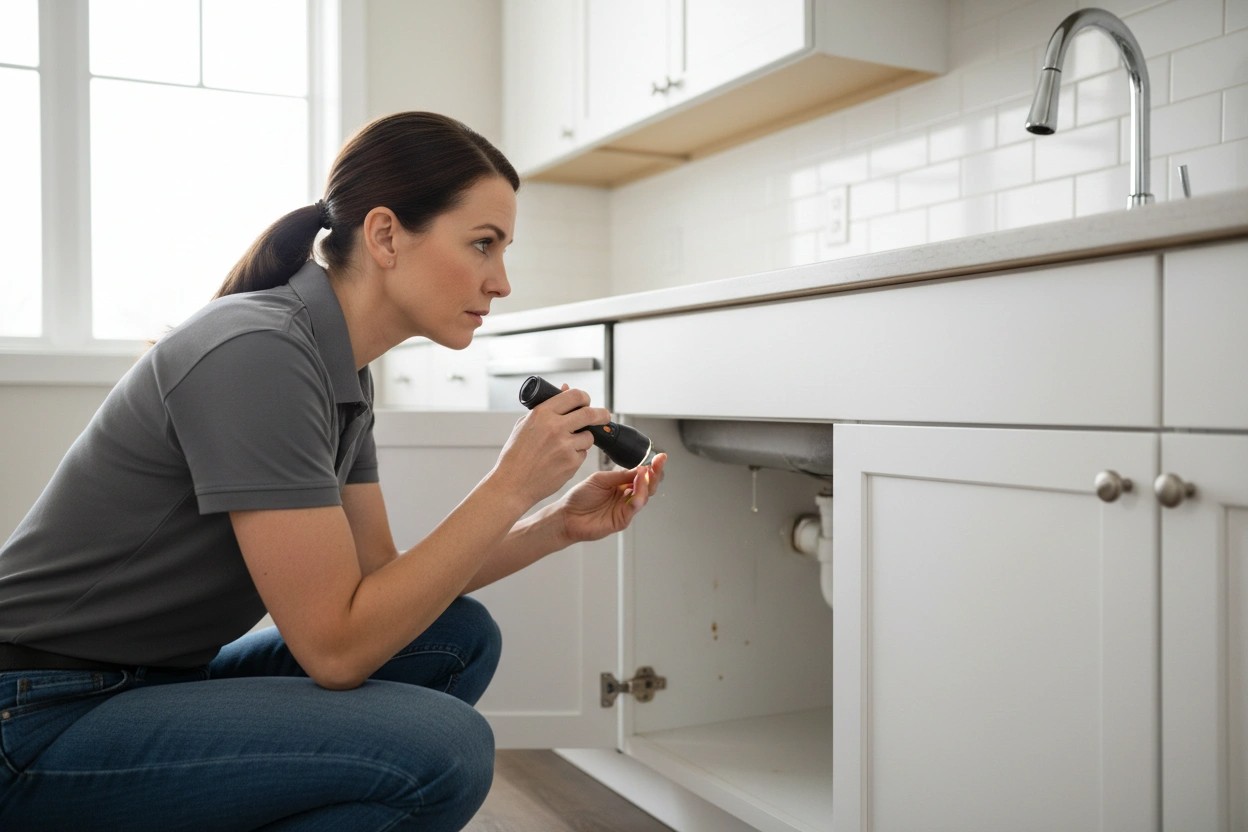
Test every fixture: outlets, switches, faucets, and exhaust fans. Dripping faucets and slow drains often indicate plumbing issues requiring immediate attention.
Assess appliance efficiency by running each unit through a full cycle. An inefficient appliance drives up utility costs and signals premature failure.
Document everything with timestamped photos before lease renewal discussions begin—it protects you legally and establishes a clear maintenance baseline.
HVAC, Electrical, and Safety Systems Tenants Never Report
Why do HVAC systems, electrical panels, and safety devices consistently fall through the cracks?
Tenants don't report what they can't see. Between lease renewals, you must conduct deliberate electrical safety checks and HVAC maintenance tips-driven inspections before small issues become code violations or costly failures.
Inspect these critical systems every renewal cycle:
- HVAC filters, coils, and drainage lines for blockages or wear
- Thermostat calibration to confirm accurate temperature regulation
- Electrical panel for tripped breakers, corrosion, or outdated wiring
- Smoke and carbon monoxide detectors for functionality and battery integrity
- GFCI outlets in kitchens, bathrooms, and exterior areas for proper operation
Documenting each inspection creates a compliance record and demonstrates your due diligence as a responsible landlord.
When to Declare Damage vs. Normal Wear and Tear
Distinguishing damage from normal wear and tear isn't just a landlord preference—it's a legal and financial determination that directly affects security deposit deductions and tenant disputes.
Your damage assessment must rely on documented, objective wear criteria—not assumptions or aesthetic preferences.
Normal wear includes minor scuffs, faded paint, and carpet compression from regular use. Damage includes stains, holes, burns, broken fixtures, and unauthorized modifications.
Apply consistent standards across every unit. Document conditions with timestamped photos at move-in and move-out, and reference your state's security deposit statutes when determining chargeability.
RentalRiff's property specialists support this process by conducting structured walkthroughs that create defensible, itemized records—reducing your legal exposure and ensuring deductions hold up if disputed.
How to Document Every Issue Before the Next Lease Starts
Knowing what counts as damage only gets you halfway there—you also need a reliable system for recording it before the next lease begins.
Consistent inspection logs and issue tracking protect you legally and establish a clear baseline for incoming tenants.
Use this documentation protocol before every new lease:
- Photograph every room, including floors, walls, ceilings, and fixtures, with timestamped images
- Complete a written inspection report noting each item's condition using objective, descriptive language
- Log all identified issues in a centralized issue tracking system with status updates
- Obtain tenant signatures on move-in condition forms to confirm mutual acknowledgment
- Retain all records for the lease duration plus any legally required period in your jurisdiction
Structured inspection logs eliminate disputes before they start.
When to Call a Property Specialist vs. Handle It Yourself
Once your inspection log flags issues, deciding how to act on them quickly matters as much as spotting them in the first place.
Reserve DIY repairs for low-risk, cosmetic tasks—touch-up paint, replacing light fixtures, or tightening cabinet hardware. Anything involving electrical systems, plumbing, structural components, HVAC, or code compliance warrants licensed Specialist Services.
Attempting complex repairs without proper credentials exposes you to liability and can void warranties or insurance coverage. Between lease renewals, the stakes are higher because unresolved issues can delay re-occupancy or create legal exposure.
RentalRiff's property specialists are licensed, insured, and bonded, so you're covered when the work exceeds your skill set. Know your limits, document your decisions, and route each flagged item to the right hands immediately.
Frequently Asked Questions
How Often Should Landlords Conduct Inspections During an Active Lease?
You should conduct inspections every six months during an active lease. Maintain consistent inspection frequency and prioritize tenant communication to guarantee compliance, address concerns early, and keep your property in peak condition throughout the lease term.
Can Tenants Legally Refuse a Landlord's Request to Inspect the Property?
Yes, tenants can legally refuse if you don't respect their rights. Always provide proper inspection notice—typically 24–48 hours—to honor tenant rights and guarantee compliance with local landlord-tenant laws before entering the property.
Should Landlords Notify Tenants Before Conducting a Between-Lease Inspection?
Yes, you must notify tenants before inspecting, as most states legally require advance notice—typically 24–48 hours—to protect tenant privacy. Respecting these inspection rights guarantees compliance and maintains a professional landlord-tenant relationship.
Does Renters Insurance Cover Damage Found During a Lease Renewal Inspection?
Renters insurance coverage typically doesn't cover damage you find during inspections if it's due to negligence or misuse. Review your lease agreements carefully to determine tenant liability and consult your insurance provider for clarification.
How Long Should Landlords Retain Inspection Records and Documentation?
You should follow your state's record retention laws, but generally, keep inspection documentation for at least three to seven years. These documentation guidelines protect you during disputes and help demonstrate your property's maintenance history effectively.
Conclusion
Between lease renewals, you've got a narrow but powerful window to protect your investment. By systematically inspecting every system, surface, and safety feature, you're not just catching problems — you're preventing them. Document everything, distinguish damage from normal wear, and don't hesitate to bring in licensed specialists when a task exceeds your expertise. A disciplined inspection process keeps your property compliant, your tenants accountable, and your bottom line intact before the next lease begins.