

Navigating the financial landscape of property ownership requires more than just collecting rent; it demands a sharp eye for distinguishing between a quick fix and a long term investment. Many owners find themselves caught in a cycle of reactive spending because they fail to categorize their property expenses correctly, leading to eroded profits and frustrated residents. We are going to explore the critical differences between routine maintenance and capital repairs while highlighting the strategic pivots you can make to safeguard your portfolio's value.
The Financial Distinction Between Maintenance and Capital Repairs
To manage a property effectively, you must understand that not all repairs are created equal in the eyes of your balance sheet or the tax office. Maintenance refers to the recurring, routine tasks required to keep a property in its current habitable condition. Think of these as the "keep the lights on" activities that prevent deterioration, such as fixing a leaky faucet, cleaning gutters, or servicing an HVAC unit before the summer heat hits. These are typically operating expenses that you can deduct in the year they occur.
Capital repairs, on the other hand, are significant investments that either extend the useful life of the property or adapt it to a new use. These are not just about keeping things functional; they are about adding value. Replacing an entire roof, installing a new central heating system, or upgrading all the windows to energy efficient models falls into this category. Because these improvements provide benefits for years to come, they are capitalized and depreciated over time. Misclassifying these can lead to significant headaches during tax season and an inaccurate picture of your property's true profitability.
Key Characteristics of Routine Maintenance
- Frequency: These tasks happen regularly, often on a monthly, quarterly, or annual schedule.
- Scope: The work is focused on fixing a specific, localized issue rather than replacing a whole system.
- Impact: Maintenance maintains the status quo of the building’s condition and prevents early failure.
- Budgeting: These should be predictable line items in your monthly operating budget.
The Costly Trap of Deferred Maintenance
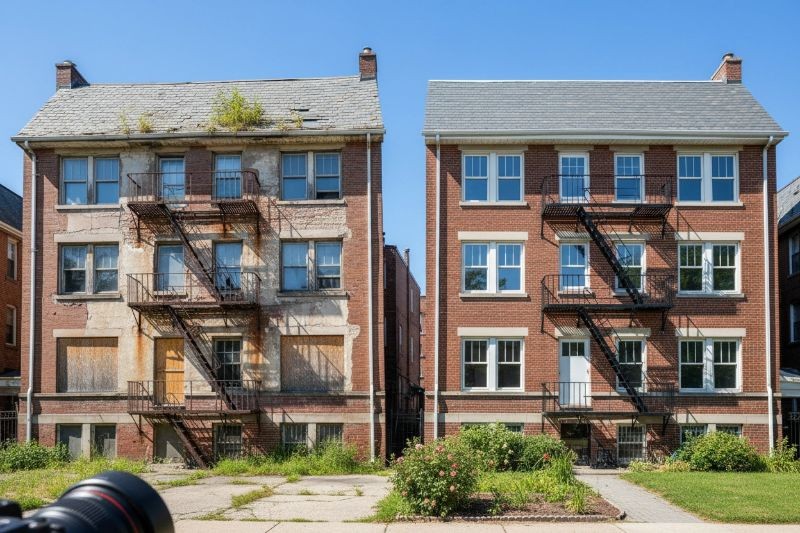
One of the most common mistakes property managers make is treating maintenance as an optional expense that can be pushed to next month. While skipping a $150 furnace tune-up might seem like a small win for your cash flow today, it often leads to a $6,000 emergency replacement three years earlier than necessary. Deferred maintenance creates a snowball effect where minor issues evolve into structural problems that demand expensive capital interventions.
When you ignore the small things, you also send a message to your tenants that the property is not a priority. This leads to a decline in tenant quality and an increase in turnover, as responsible renters will seek out homes that are better cared for. By staying on top of ad-hoc maintenance and repairs, you actually lower your long term costs. It is far cheaper to pay for a "Property Specialist" to visit the site and handle a few minor repairs today than to wait for a catastrophic failure that requires a full scale renovation.
Signs You Are Falling Behind on Maintenance
- Rising Utility Bills: Inefficient systems have to work harder, driving up costs for you or your tenants.
- Frequent Emergency Calls: If your phone is ringing at 2 AM for repairs, your proactive strategy is failing.
- Visible Wear and Tear: Peeling paint, cracked walkways, and overgrown landscaping are early warning signs of neglect.
- Tenant Complaints: An uptick in "small" requests often means the residents are noticing a general decline in the property's condition.
Misjudging the Timing of Capital Improvements
While deferring maintenance is a mistake, over-investing in capital repairs too early can also hurt your ROI. Some managers rush to replace systems that still have years of life left simply because they want to avoid the hassle of ongoing maintenance. This is a strategic error that ties up capital which could be better used for acquiring new properties or improving other areas of the building.
The goal is to find the "sweet spot" where the cost of ongoing maintenance exceeds the amortized cost of a replacement. For example, if you are spending $500 every six months to patch a 20 year old roof, the math likely favors a full replacement. However, if a $200 repair can buy you another three years of service from a reliable water heater, the repair is often the smarter financial move. Balancing these decisions requires a deep understanding of the current state of your property and a clear long term vision for the asset.
Factors to Consider Before a Capital Upgrade
- Current Repair Frequency: Track how often a specific system requires professional attention.
- Remaining Useful Life: Consult with licensed professionals to get an honest assessment of how much time a component has left.
- Energy Efficiency Gains: Determine if a new system will significantly lower operating costs through reduced utility consumption.
- Market Competitiveness: Assess whether the upgrade will allow you to command higher rent or attract a better class of tenant.
Streamlining Tenant Support and Communication
The bridge between noticing a maintenance need and executing a repair is communication. A major pitfall for many independent landlords is the lack of a structured system for tenants to report issues. When requests are sent via various channels like text, email, and voicemail, things inevitably fall through the cracks. This leads to delays that can turn a simple leak into a mold problem, significantly increasing the eventual repair bill.
Implementing a centralized system for tenant support ensures that every issue is documented and prioritized. This level of organization allows you to bundle small repairs together, saving on trip charges from contractors. It also provides a paper trail that is invaluable for your profit audits and tax preparation. RentalRiff excels in this area by serving as the primary contact for tenants, handling all maintenance requests promptly and ensuring that property owners stay informed without being overwhelmed by the daily minutiae.
Strategic Planning for Long Term ROI
The most successful property owners view maintenance and capital repairs as two parts of a single, cohesive strategy. They maintain a "capital reserve" fund, setting aside a portion of each month's rent specifically for those big ticket items they know are coming eventually. By planning for a roof replacement five years in advance, the expense becomes a manageable part of the business plan rather than a financial crisis.
Furthermore, focusing on preventative maintenance and turnovers ensures the property stays in a constant state of "rent readiness." When a unit becomes vacant, having a pre-established checklist for turnover services allows you to get the property back on the market in days rather than weeks. This proactive approach to the physical upkeep of the home is a hallmark of top tier management and is exactly the focus provided by RentalRiff, which offers a cost effective alternative to the heavy fees of full service management companies.
Building a Resilient Property Strategy
- Monthly Reserve Contributions: Treat your capital fund as a non-negotiable expense.
- Annual Property Inspections: Walk through every unit at least once a year to catch issues tenants might not report.
- Vendor Partnerships: Develop relationships with licensed and insured specialists who understand your long term goals.
- Data-Driven Decisions: Use your repair history to identify which brands or types of appliances are the most durable for your specific units.
Protecting Your Investment for the Future
Mastering the balance between maintenance and capital repairs is an ongoing process that requires diligence and professional insight. By avoiding the common mistakes of deferred care and poorly timed replacements, you ensure that your property remains a profitable and appreciating asset. Whether you are handling a single duplex or a growing portfolio, the key is to stay proactive, communicate clearly with your residents, and keep a sharp eye on the long term health of your building. Efficient property care is not an expense; it is the foundation of your financial success as a landlord.