

Deferring appliance replacements in your rental property costs far more than you'd expect. Emergency repair calls run 2-3 times higher than planned replacements, and repeat service fees pile up on appliances that are already depreciating. Aging units operate 20-30% less efficiently, while tenant dissatisfaction drives vacancy costs between $2,000 and $4,000 per turnover. What starts as a budget-saving decision quickly becomes a financial liability — and there's a smarter way to manage it.
Key Takeaways
- Emergency repairs on deferred appliances cost 2-3 times more than planned replacements, turning predictable expenses into unpredictable financial liabilities.
- Aging appliances operate 20-30% less efficiently than new models, silently increasing operational costs over time.
- Tenant turnover triggered by unreliable appliances costs landlords $2,000-$4,000 per vacancy in competitive markets.
- The 50% rule recommends replacing appliances when repair costs exceed half their total replacement value.
- Proactive replacement scheduling prevents cash flow disruptions, protects asset value, and strengthens long-term tenant retention.
What "Deferred Appliance Replacement" Actually Costs You
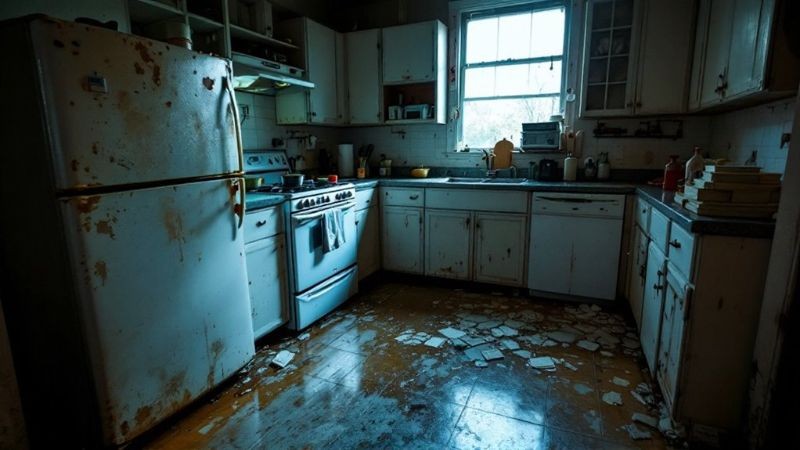
Procrastination has a price tag. When you delay replacing a failing appliance, you're not avoiding costs — you're compounding them. Emergency repair calls average two to three times the cost of a planned replacement.
You're also absorbing repeat service fees on equipment that's already depreciating past its useful life.
The cost implications extend beyond your wallet. Tenant satisfaction drops measurably when appliances underperform or fail unexpectedly. Dissatisfied tenants don't renew leases, and vacancy costs — lost rent, turnover cleaning, and re-leasing fees — frequently exceed what a timely replacement would've run you.
The data is straightforward: deferred replacement shifts a manageable, predictable expense into an unpredictable, compounding liability. Knowing when to replace rather than repair is where informed landlords protect their margins. Additionally, regular maintenance of appliances can significantly enhance tenant satisfaction and foster longer lease agreements.
When Old Appliances Start Costing More Than New Ones
There's a clear inflection point where repairing an aging appliance stops making financial sense. Industry benchmarks suggest applying the 50% rule: if a repair costs more than half the appliance's replacement value, replacement wins. Beyond that threshold, you're funding diminishing returns.
Appliance maintenance costs compound quickly on older units. A refrigerator needing its second compressor repair, or a washer cycling through belts and pumps annually, will outpace replacement costs within one to two years.
You're also absorbing the hidden cost of energy inefficiency—older appliances can run 20–30% less efficiently than current models.
Tenant satisfaction impact is equally quantifiable. Repeated appliance failures increase turnover risk, and turnover in markets like Seattle or Denver can cost $2,000–$4,000 per vacancy. Additionally, landlords must ensure all appliances are in good working order at lease signing, emphasizing the importance of proactive management.
Proactive replacement protects both your asset and your retention rate.
The Tenant Turnover Risk Nobody Talks About
When landlords defer appliance replacement, the downstream risk rarely shows up on a repair invoice—it shows up in a lease non-renewal. Research consistently links tenant satisfaction to the perceived quality and reliability of in-unit appliances. A tenant tolerating a struggling refrigerator or an unreliable washer isn't just inconvenienced—they're quietly evaluating their next move.
Turnover costs typically run between $1,000 and $5,000 per vacancy when you factor in lost rent, cleaning, and re-leasing expenses. That figure dwarfs most appliance replacement costs.
Yet landlords continue allocating maintenance budget toward repeated service calls rather than strategic replacement.
The pattern is predictable: deferred replacement drives dissatisfaction, dissatisfaction drives turnover, and turnover erodes the annual returns you worked to protect. Recognizing that connection early changes how you prioritize capital decisions in your property management strategy.
Which Rental Appliances Fail First (And How to Plan for It)
Not all appliances age at the same rate, and knowing which ones fail first lets you plan replacements before they become emergencies.
Dishwashers and garbage disposals typically reach the end of their useful life within 10–12 years, while refrigerators average 15 years and HVAC systems 15–20 years depending on maintenance history.
When you map these lifespans against each property's purchase date and appliance age, you can build a rolling replacement schedule that smooths out capital costs and eliminates the reactive scramble that follows an unexpected failure.
In addition, regular inspections can help identify potential hazards before they lead to appliance failures.
Appliances That Fail First
Dishwashers, garbage disposals, and washing machines tend to fail before most other rental appliances—not because they're poorly made, but because they're used heavily and rarely maintained.
Understanding appliance reliability factors helps you anticipate replacement timelines rather than react to them.
Dishwashers average 9–10 years under rental conditions. Garbage disposals often fail within 8 years due to misuse. Washing machines typically see accelerated wear from high-volume tenant use, averaging 10–12 years before considerable mechanical failure.
Refrigerators and ranges tend to last longer—12–15 years—but still require monitoring.
Building tenant communication strategies around appliance care instructions at move-in reduces misuse-related failures considerably. When tenants know how to operate appliances correctly, you extend asset life and reduce emergency replacement costs.
Average Appliance Lifespans
Most rental appliances follow predictable failure timelines, and knowing those numbers lets you budget proactively instead of scrambling when something breaks.
Dishwashers typically last 9–10 years, washing machines 10–12, and dryers 10–13. Refrigerators average 13–15 years, while HVAC systems run 15–20 depending on maintenance costs and usage intensity. Water heaters fall between 8–12 years based on water quality and demand.
Appliance efficiency also declines well before failure. A refrigerator entering its final years consumes considerably more energy than a newer model, quietly inflating operating costs.
Tracking installation dates across your property lets you identify units approaching end-of-life before they fail, giving you time to replace strategically rather than reactively. That timing difference directly affects your budget and your tenants' experience.
Planning Replacement Schedules
Knowing average lifespans is only half the equation—the other half is sequencing replacements so failures don't stack up in the same budget cycle.
Map each appliance's install date against its expected lifespan, then flag units entering their final two years. This turns reactive spending into predictable budget considerations.
Use replacement frequency patterns to prioritize:
- Dishwashers and disposals typically cycle out first—plan replacements around years 8–10
- Refrigerators and ranges follow at 13–15 years, giving you a wider planning window
- HVAC systems carry the heaviest cost, so start reserving capital well before year 15
Staggering replacements across budget cycles prevents cash flow disruptions and keeps your property competitive without absorbing multiple major expenses simultaneously.
How to Build a Simple Appliance Replacement Schedule
Building a simple appliance replacement schedule starts with knowing the age of every appliance across your rental units.
If you don't have purchase records, use the model and serial numbers to look up manufacture dates directly from the manufacturer's website.
Once you've established each appliance's age, you can map expected end-of-life dates against industry lifespan averages to create a forward-looking replacement timeline that prevents reactive spending. Additionally, a proactive maintenance approach ensures that you replace appliances before they fail, minimizing tenant dissatisfaction and unexpected costs.
Tracking Appliance Ages
Once you know the age of each appliance in your rental, building a replacement schedule becomes straightforward. Combine manufacturer lifespan data with your appliance maintenance strategies to project replacement windows accurately.
Use these three tracking methods to stay organized:
- Spreadsheet logs – Record each appliance's brand, model, install date, and expected lifespan.
- Photo documentation – Capture serial number plates during move-ins to verify manufacture dates.
- Maintenance history notes – Track repair frequency to identify appliances approaching failure thresholds.
Tenant communication importance becomes clear here too. When tenants report early warning signs—unusual noises, inconsistent performance—those signals feed directly into your schedule, allowing you to adjust timelines before a breakdown forces an emergency replacement.
Proactive tracking keeps decisions data-driven rather than reactive.
Setting Replacement Timelines
With your appliance ages tracked and lifespans documented, building a replacement schedule comes down to layering three inputs: manufacturer lifespan benchmarks, repair cost history, and tenant-reported performance data.
Flag any appliance exceeding 75% of its expected lifespan as replacement-eligible. Then apply a cost analysis threshold: if cumulative repair costs have reached 50% of replacement value, accelerate the timeline regardless of age.
Structure your appliance maintenance calendar by fiscal year, not calendar year, so replacements align with your cash flow cycles. Assign each flagged unit a priority tier—immediate, within 12 months, or within 24 months—based on failure risk and tenant impact.
Review the schedule annually, adjusting timelines when repair frequency increases or tenant complaints signal declining performance. A proactive schedule prevents reactive spending.
Why Proactive Replacement Protects Your ROI Long-Term
Replacing aging appliances before they fail isn't just a maintenance decision—it's a financial one. A straightforward cost analysis often reveals that emergency replacements, service calls, and tenant dissatisfaction cost markedly more than planned upgrades.
Proactive replacement directly supports tenant satisfaction, reducing turnover—one of the largest ROI killers in rental ownership.
Consider what proactive replacement delivers:
- Lower emergency repair costs – Unplanned failures carry premium labor and expedite fees
- Stronger tenant retention – Reliable appliances signal that you maintain your property well
- Predictable cash flow – Scheduled replacements fit into your budget rather than disrupting it
Waiting until something breaks shifts you from a strategic owner into a reactive one—and that shift is expensive.
Frequently Asked Questions
Does Renters Insurance Cover Appliance Failure or Replacement Costs?
Renters insurance typically doesn't cover appliance failure or replacement costs—it protects your personal belongings, not the unit's appliances. You'll want to check appliance warranties or ask your landlord about their coverage responsibilities instead.
Are Appliance Replacement Costs Tax Deductible for Rental Property Owners?
Yes, you can typically deduct appliance replacement costs as business expenses on your rental property taxes. Understanding the tax implications and smart replacement strategies helps you optimize deductions—consult a tax professional for your specific situation.
Who Is Responsible for Appliance Repairs, the Landlord or Tenant?
As a landlord, you're typically responsible for appliance repairs under landlord obligations, ensuring habitability. Tenant rights vary by state, but you'll generally need to maintain appliances included in the lease agreement.
Should Appliances Be Included or Excluded From a Lease Agreement?
You should document appliance inclusion clearly during lease negotiations. Specifying which appliances you're providing—and their condition—protects you legally, sets tenant expectations, and reduces disputes over repair responsibilities throughout the tenancy.
Can Upgrading Appliances Increase the Rental Value of My Property?
Yes, upgrading appliances can boost your rental value. Modern, energy-efficient units improve appliance longevity, reduce maintenance costs, and position your property competitively in the rental market—often justifying higher monthly rents and attracting quality, long-term tenants.
Conclusion
Deferred appliance replacement isn't a savings strategy — it's a slow bleed on your rental income. You're paying through emergency repairs, tenant turnover, and compounding property damage. The data is clear: proactive replacement consistently outperforms reactive maintenance on total cost. Once you've built a replacement schedule aligned to appliance lifespans, you're not spending more — you're spending smarter and protecting the long-term ROI your portfolio depends on.