

Fast repairs directly impact whether your tenants renew their lease or start looking elsewhere. When you respond quickly to maintenance requests, you're signaling that you value your tenants and their comfort. Slow or ignored repairs erode trust, and once that trust is gone, so is your tenant. Turnover can cost you $3,000–$5,000 or more, making repair speed a financial priority. Stick around to discover exactly how proactive maintenance keeps your best tenants signing on the dotted line.
Key Takeaways
- Fast repairs signal respect for tenants, directly increasing their likelihood of renewing leases and staying long-term.
- Slow maintenance responses erode tenant trust, often prompting them to seek better-managed properties elsewhere.
- Tenants who feel valued through prompt repairs are more likely to become loyal, long-term residents.
- Proactive maintenance and quick resolutions prevent small issues from escalating into lease-ending frustrations.
- Turnover costs between $3,000–$5,000 make investing in fast, quality repairs a financially smart retention strategy.
Why Tenants Leave (And It's Rarely About the Rent)
When tenants don't renew, landlords often assume it's about money—but the data tells a different story.
Tenant dissatisfaction typically stems from how you handle problems, not how much you charge. Studies consistently show that poor communication and ignored repairs rank higher than rent increases as reasons tenants move out.
Unmet maintenance expectations erode trust fast. When a tenant submits a repair request and waits weeks without a response, they don't just feel frustrated—they start looking at listings.
That slow response signals something bigger: you don't value their comfort or their time.
Tenants want to feel heard and taken care of. When they don't, they leave—and you're left covering vacancy costs, turnover cleaning, and re-leasing fees that far exceed what a timely repair would've cost.
What a Single Vacancy Actually Costs You
Most landlords underestimate what a single vacancy actually costs them. When a tenant leaves, you're not just losing one month's rent. You're absorbing lost income during the turnover window, cleaning and repair costs, marketing expenses, and time spent screening new applicants.
Tenant turnover easily runs $3,000–$5,000 or more depending on your market and property condition.
Vacancy costs compound quickly. Every week your unit sits empty, you're paying the mortgage without any offset. And if the next tenant moves in and finds deferred maintenance, you've reset the clock on another short tenancy.
Keeping a good tenant renews itself. Fast repairs signal that you're a responsive owner worth staying with—and that reputation directly reduces how often you face this expensive cycle.
The Direct Connection Between Repair Speed and Lease Renewals
Reducing vacancy costs starts long before a tenant decides to leave—it starts the moment they submit a repair request. How you handle that moment directly shapes whether they renew. Tenants who experience fast, quality repairs feel respected—and respected tenants stay longer.
The connection is straightforward:
- Slow repairs signal neglect, pushing tenants to search for better-managed rentals.
- High repair quality builds trust that's difficult for tenants to walk away from.
- Prompt responses reduce frustration before it becomes a move-out decision.
- Consistent tenant satisfaction turns short-term renters into long-term residents.
You don't need to guess whether your tenants are happy—their renewal decisions tell you.
Prioritizing repair speed isn't just good maintenance practice; it's one of your most powerful retention strategies.
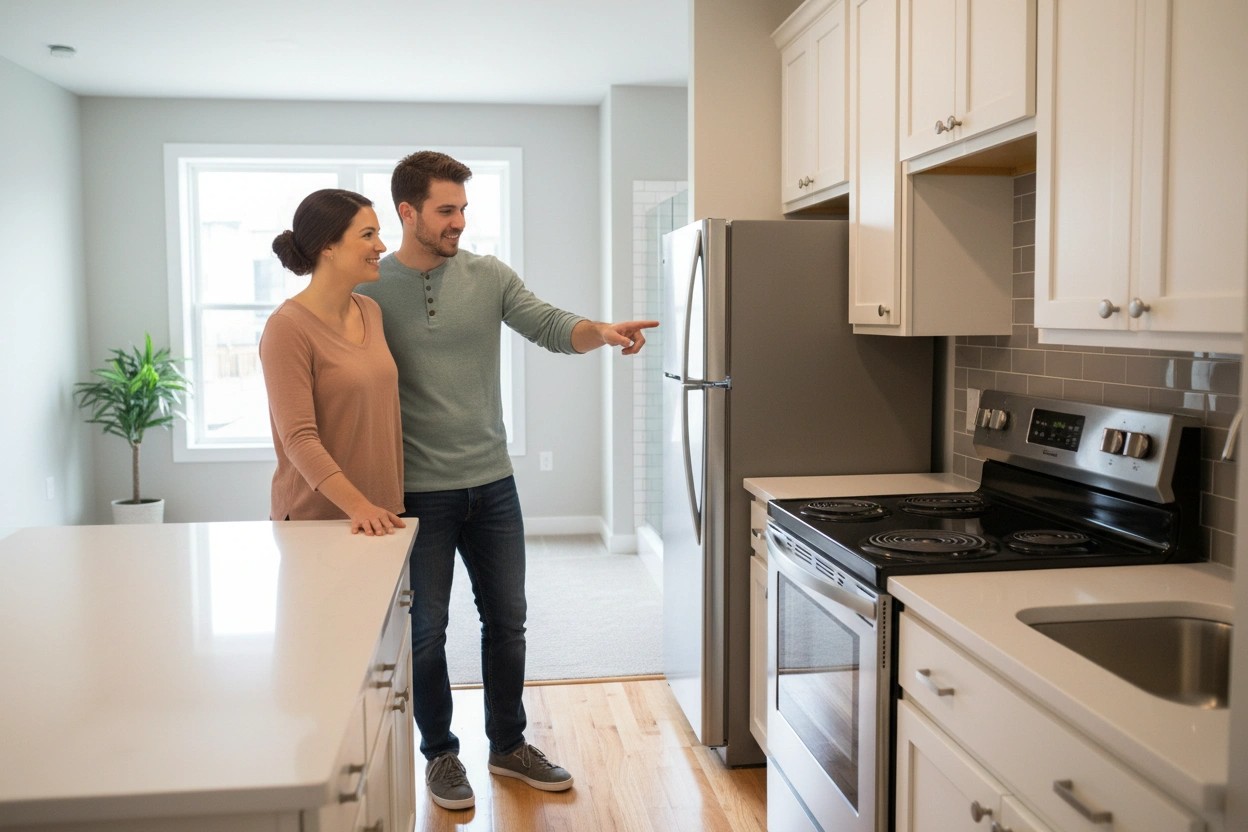
What Tenants Now Expect From Maintenance Response
Tenant expectations around maintenance have shifted considerably—what once felt like a reasonable response time now feels slow.
Today's renters compare your response to the same-day service they get from apps and online retailers. They expect acknowledgment within hours, not days.
Tenant expectations now include clear communication about timelines, not just a promise that someone will "look into it."
If you leave a request unaddressed, tenants don't assume you're busy—they assume you don't care.
Raising your maintenance standards means building a system that responds fast and follows through consistently.
Tenants want confirmation, updates, and resolution. Meeting these expectations doesn't just prevent complaints—it builds the kind of trust that makes renewal conversations easier.
Falling short does the opposite, quietly pushing good tenants toward the exit.
How Fast Repairs Build Tenant Trust and Retention
When a repair gets handled quickly, tenants notice—and they remember. Repair responsiveness directly shapes how tenants feel about renewing.
Tenant satisfaction isn't built through grand gestures—it's built through consistent follow-through on the basics.
Fast repairs signal that you respect their home and their time. That signal compounds over months and years into genuine loyalty.
Here's what repair responsiveness actually builds:
- Confidence that problems won't linger unresolved
- Trust that you're a landlord worth staying with
- Comfort in the living environment day to day
- Willingness to renew rather than risk an unknown landlord elsewhere
When tenants feel heard and supported, they stop looking for alternatives.
Speed isn't just operational efficiency—it's your retention strategy.
Why Proactive Maintenance Makes Lease Renewals the Default
Fast repairs keep tenants from leaving—but proactive maintenance keeps problems from forming in the first place. When you stay ahead of wear and tear, tenants rarely face disruptions serious enough to make them question renewing. That's the real power of proactive management.
Seasonal checkups, routine inspections, and minor fixes catch small issues before they escalate into costly emergencies. Tenants notice when a property is well-maintained. It signals that you're invested in their living experience, which directly drives tenant satisfaction and loyalty.
RentalRiff's property specialists handle this ongoing upkeep, so problems don't pile up between tenancies or surprise tenants mid-lease.
When your property consistently performs well, lease renewals stop being something you have to chase—they become the expected outcome.
Frequently Asked Questions
How Do I Screen Tenants Who Will Respect My Property's Maintenance?
Screen for tenant behavior by checking rental history and references. Set clear maintenance expectations upfront in your lease. RentalRiff's proactive communication keeps tenants accountable, ensuring they'll respect your property throughout their tenancy.
Can I Legally Require Tenants to Report Maintenance Issues Promptly?
Yes, you can include tenant responsibilities for maintenance communication in your lease agreement. Require tenants to report issues promptly in writing, protecting you legally while ensuring faster repairs that keep your property in top condition.
What Repairs Am I Legally Required to Complete as a Landlord?
You're legally required to meet repair obligations that keep your property habitable — think plumbing, heating, and structural safety. Tenant rights vary by state, so knowing your local laws guarantees you're always covered.
How Does Repair Speed Affect My Rental Property's Market Value?
Fast repairs boost your property's market value by improving repair quality and tenant satisfaction. When you address issues quickly, you'll attract better tenants, reduce vacancies, and command higher rents, strengthening your property's long-term financial performance.
Should I Offer Rent Incentives Alongside Fast Repairs to Retain Tenants?
You can offer rent discounts, but fast repairs alone greatly boost tenant satisfaction. Combining both strategies strengthens retention, though prioritizing reliable maintenance through RentalRiff's property specialists often makes costly incentives unnecessary for securing renewals.
Conclusion
Every repair request is a chance to prove you're worth renewing with. When you respond fast, communicate clearly, and fix problems before they escalate, you're not just maintaining a property — you're maintaining a relationship. Tenants who feel valued don't browse other listings. They sign renewals. With RentalRiff handling your maintenance response and tenant communication, you're not scrambling to retain tenants — you're making renewal the obvious choice.