

As a landlord in Tacoma, navigating the complex landscape of local ordinances can be daunting. With various regulations governing noise and occupancy, it is essential to stay informed to ensure compliance and maintain a positive relationship with tenants. This article will explore the essential noise and occupancy regulations that Tacoma landlords need to understand, ensuring compliance and better property management.
Understanding Tacoma's Rental Laws and Regulations
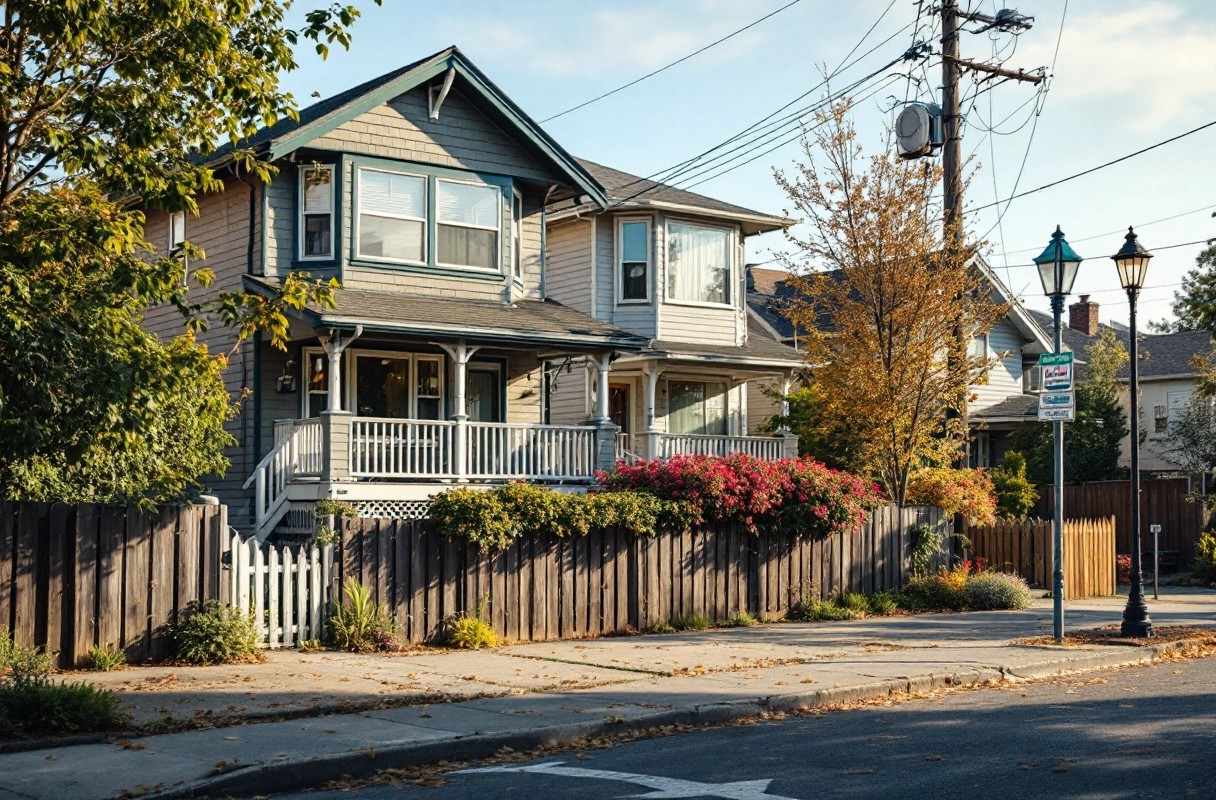
Understanding Tacoma's rental laws is fundamental for landlords aiming to operate legally and effectively. Tacoma's rental laws cover a range of topics, including tenant rights, rental agreements, security deposits, and eviction processes. The city has enacted several ordinances to protect both landlords and tenants, creating a balanced framework for rental agreements. Staying informed about these laws can help landlords avoid potential disputes and legal issues.
It is crucial for landlords to keep up with changes in housing regulations. Tacoma's rental laws can evolve due to new legislation or city council decisions, which may impact how landlords manage their properties. Regularly reviewing updates from the Tacoma city website or subscribing to local landlord newsletters can provide valuable insights into any changes that may affect rental operations. Ignoring these updates can lead to unintentional violations and subsequent penalties.
Decoding Noise Ordinances in Tacoma: What You Need to Know

Noise ordinances in Tacoma are designed to maintain a peaceful living environment for all residents. These regulations specify acceptable noise levels and outline quiet hours, typically from 10 PM to 7 AM on weekdays and 10 PM to 9 AM on weekends. Landlords must ensure their properties comply with these regulations to avoid complaints and potential fines.
Handling noise complaints from tenants requires a proactive approach. When a tenant reports excessive noise, landlords should first investigate the claim. If the noise violates local ordinances, landlords should communicate with the offending party to address the issue. Maintaining clear communication with tenants about noise expectations can also mitigate conflicts. Documenting any complaints and resolutions can help protect landlords in case further action is needed.
Occupancy Regulations: Ensuring Compliance and Safety
Occupancy regulations in Tacoma dictate the maximum number of occupants allowed in a rental unit. These limits are typically based on the size of the unit and the number of bedrooms. Compliance with these regulations is essential for safety reasons and to avoid overcrowding, which can lead to health hazards and increased wear on the property.
Violating occupancy regulations can result in significant consequences for landlords, including fines, legal action, or even loss of rental permits. To ensure compliance, landlords should familiarize themselves with the specific occupancy limits for their properties. Regularly assessing tenant situations and making necessary adjustments, such as addressing changes in family size, can help maintain compliance and safeguard the landlord's investment.
Essential Resources for Tacoma Landlords
Finding updated information on local housing ordinances is crucial for effective property management. The City of Tacoma's official website offers a wealth of resources, including rental laws, noise ordinances, and occupancy regulations. Additionally, local government offices can provide guidance on specific questions or concerns.
Joining local landlord associations or groups can also be beneficial. These organizations often provide networking opportunities, educational resources, and advocacy for landlord rights. Being part of a community of landlords can facilitate sharing best practices and staying informed about the latest trends in the Tacoma rental market.
The Intersection of Local Regulations and Effective Property Management
Navigating local noise and occupancy ordinances is vital for Tacoma landlords to ensure compliance and maintain a positive relationship with tenants. Understanding Tacoma's rental laws, noise ordinances, and occupancy regulations equips landlords with the knowledge necessary to manage their properties effectively.
By utilizing resources such as the City of Tacoma's website and engaging with local landlord associations, landlords can stay informed and connected. RentalRiff offers a platform for independent landlords and small portfolio property owners to access professional maintenance and tenant support without the cost of full-service property management.