

Smart thermostats deliver real ROI for rental properties, but the numbers depend on your specific situation. You're looking at $300–$500 in first-year costs per unit, with annual energy savings of $50–$100 and a payback period of two to four years. Tenants will pay $25–$75 more monthly for smart features, and 40% of renters say smart home amenities influence their decisions. The full picture—costs, tenant behavior, and management risks—is worth examining closely.
Key Takeaways
- Smart thermostats cost $300–$500 per unit installed, with energy savings creating a realistic payback period of two to four years.
- Annual heating and cooling savings of 10–15% generate $50–$100 per unit, with returns compounding as energy costs rise.
- Tenants pay $25–$75 more monthly for smart-equipped units, meaning upgrades can recover costs within months through premium rent.
- Smart home features influence 40% of rental decisions, directly reducing vacancy rates and strengthening long-term tenant retention.
- Avoided costs—including $150–$500 HVAC service calls and $1,500–$2,500 vacancy losses—make smart thermostats financially practical, not merely decorative.
What Smart Thermostats Actually Do in a Rental
Smart thermostats replace manual temperature controls with app-based scheduling, remote access, and occupancy-based adjustments that standard thermostats can't perform. Through remote control, you can monitor and adjust temperatures across multiple units without on-site visits.
Occupancy sensors drive energy efficiency by reducing heating and cooling when tenants are away, cutting utility costs by 10–15% annually according to EPA data.
For tenants, the user experience improves through intuitive app interfaces that simplify seasonal adjustments without manual dial changes. Built-in data insights track usage patterns, helping you identify inefficiencies before they escalate.
However, compatibility issues arise with older HVAC systems lacking a C-wire, complicating the installation process. Evaluating your system's infrastructure beforehand determines whether the technology delivers measurable tenant comfort improvements or creates unnecessary technical friction. Additionally, older HVAC units may struggle in extreme cold, highlighting the importance of assessing your current system's capabilities.
The Real Cost to Buy, Install, and Maintain One
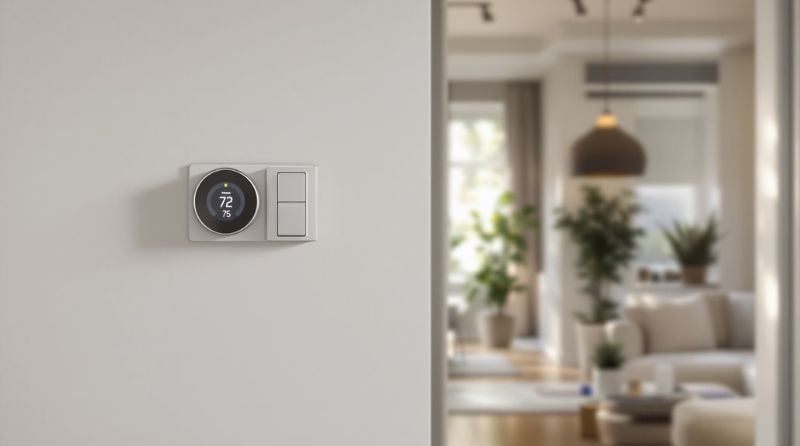
Budget expectations for smart thermostats vary considerably depending on the model tier you choose. Entry-level models like the Wyze Thermostat run $30–$50, mid-tier options like the Ecobee SmartThermostat land around $150–$200, and premium Nest models reach $250–$300.
Professional installation typically adds $75–$150, though installation challenges arise when your property lacks a common wire (C-wire), requiring additional wiring work that can push costs higher.
Across a typical rental lifecycle, ongoing maintenance stays relatively low. Firmware updates are automatic, and hardware failures are uncommon within the first five years. However, compatibility issues with older HVAC systems can generate service calls. Realistically, you're looking at $300–$500 total first-year cost per unit, with minimal recurring expenses beyond occasional troubleshooting or tenant support. Understanding the impact of repairs can help in making informed decisions about these investments.
Where Landlords Actually See ROI
Whether a smart thermostat pays for itself depends heavily on how you measure returns—and landlords who track the numbers find ROI showing up in three distinct areas: energy savings, tenant retention, and reduced maintenance calls.
On utility management, data shows programmable scheduling cuts heating and cooling costs 10–15% annually. Tenant satisfaction improves when renters control comfort remotely, directly influencing lease renewals.
Fewer temperature-related maintenance concerns mean fewer after-hours calls to your property specialist.
Market trends reinforce the math. Technology adoption is accelerating across competitive rental markets like Seattle, Denver, and Portland, giving equipped units a measurable competitive advantage in vacancy rates and achievable rents.
Despite early installation challenges, landlords who've integrated smart thermostats consistently report that tangible cost reductions and tenant retention gains outweigh upfront investment within 18–24 months.
Do Tenants Care Enough to Pay More?
Research suggests that tenants increasingly factor smart home features into rental decisions, with surveys showing that a meaningful segment of renters will pay a modest premium—typically $25–$75 per month—for units equipped with connected devices like smart thermostats.
You're more likely to see this willingness concentrated in tech-forward markets like Seattle, Denver, and Portland, where tenant expectations around convenience and energy efficiency run higher than average.
More importantly, smart thermostats rank among the amenities most correlated with lease renewals, meaning their value compounds beyond initial rent pricing. Additionally, the integration of smart home technology can significantly enhance tenant satisfaction and retention, further underscoring the importance of these features in today's rental market.
Tenant Willingness To Pay
Convenience has a measurable price point, and smart thermostats appear to hit it. Research consistently shows tenants prioritize climate control technology when evaluating units, and that preference translates directly into rent tolerance.
Understanding tenant preferences helps you build smarter pricing strategies that don't leave money on the table.
Renters report willingness to pay more when a unit includes:
- Remote temperature control — tenants value managing comfort from anywhere, reducing anxiety about energy waste.
- Automated scheduling — eliminates daily manual adjustments, which renters cite as a genuine quality-of-life improvement.
- Energy cost savings — lower utility bills offset higher rent, making premium pricing feel financially rational rather than arbitrary.
That calculus matters. When tenants perceive tangible value, they accept higher rents and stay longer.
Amenities That Drive Renewals
Tenant retention is where smart thermostat ROI becomes clearest. Reducing turnover by even one cycle saves you $1,000–$3,000 in vacancy loss, cleaning, and re-leasing costs. That single outcome often outweighs the device's installed cost entirely.
Amenity trends show that tenants increasingly evaluate comfort, control, and technology when deciding whether to sign lease renewals. Smart thermostats rank consistently alongside in-unit laundry and high-speed internet as retention-influencing features—particularly in competitive rental markets like Seattle, Portland, and Denver.
The data point that matters most: tenants who rate their rental experience highly renew at notably higher rates. A smart thermostat contributes directly to that satisfaction by giving tenants autonomy over their environment.
You're not just installing hardware—you're reducing churn, and that's measurable.
What Can Go Wrong Between Tenants
Smart thermostats don't manage themselves between tenancies, and that gap is where most configuration problems originate. Failing to reset access credentials creates security concerns and potential lease violations before a new tenant even moves in.
Turnover costs spike when devices malfunction due to unresolved maintenance issues left unaddressed during changes.
Here's where communication breakdowns consistently create the most damage:
- Forgotten guest accounts from previous tenants trigger unauthorized control, fueling tenant disputes before day one.
- Unmonitored temperature settings during vacant periods accelerate property damage through pipe freezes or mold growth.
- Skipped firmware updates compound cleanliness standards failures by disabling ventilation scheduling features entirely.
Each oversight compounds the next, quietly eroding your margins before the new lease even starts. Regular inspections to identify potential hazards can help mitigate these risks and ensure a smoother transition between tenants.
Is a Smart Thermostat Worth It for Your Rental?
Smart thermostats typically run $150–$300 per unit installed, but energy savings of 10–15% on heating and cooling costs can offset that investment within one to three years.
In competitive rental markets like Seattle or Denver, modern amenities like smart climate control can reduce vacancy rates and justify higher asking rents.
Whether the math works for your property depends on your local market, your tenants' energy habits, and how long you plan to hold the asset. Additionally, investing in preventive maintenance can further enhance tenant satisfaction and long-term property value.
Upfront Costs vs. Savings
While a smart thermostat runs $150–$300 upfront for a mid-range model like the Ecobee or Google Nest, the Energy Star program estimates they save homeowners around $50–$100 per year on heating and cooling costs—putting the payback period at roughly two to four years.
That upfront investment compounds when you factor in tenant retention and reduced HVAC wear.
Consider what's at stake:
- A single vacant month can cost you $1,500–$2,500 in lost rent—far exceeding the device's price.
- Preventable HVAC service calls average $150–$500 per visit.
- Long term savings grow as energy costs rise annually.
The math isn't complicated—you're spending $200 once to avoid recurring costs that dwarf that figure year after year.
Tenant Appeal Matters
Beyond the financial math, the data on tenant preferences tells its own story. Studies consistently show that renters rank tenant comfort and energy efficiency among their top priorities when evaluating a unit.
A 2023 Zillow survey found that smart home features influenced rental decisions for nearly 40% of respondents.
That translates into measurable outcomes for you. Properties with smart thermostats report lower vacancy rates and stronger tenant retention, particularly in competitive markets like Seattle, Denver, and Portland.
Tenants who control their energy efficiency directly are also less likely to dispute utility costs or initiate early lease terminations.
The appeal isn't superficial. It signals a well-managed, modernized property—which attracts higher-quality applicants and gives you leverage when justifying premium rental pricing.
Frequently Asked Questions
Can a Smart Thermostat Void My Rental Property's Existing HVAC Warranty?
Yes, it can. You'll face HVAC warranty implications if installation isn't manufacturer-approved. Always verify compatibility first—improper wiring creates tenant liability concerns and potentially voids coverage. Check your HVAC documentation before upgrading.
Which Smart Thermostat Brands Work Best With Older Rental Property Wiring?
Ecobee and Honeywell T6 Pro handle compatibility concerns best in older wiring setups. They don't require a C-wire, reducing installation challenges. You'll want to verify your system's voltage before purchasing either option.
Can Tenants Remove or Replace a Smart Thermostat Without Permission?
Tenants can't legally remove or replace your smart thermostat without permission. You should outline clear thermostat policies in the lease to protect tenant rights while safeguarding your property investment and maintaining warranty coverage.
Do Smart Thermostats Qualify for Any Landlord Tax Deductions or Credits?
You can deduct smart thermostat costs as a rental property expense, capturing tax benefits through depreciation or direct deductions. Energy savings may also qualify you for federal energy efficiency credits, reducing your overall tax liability.
Conclusion
You're looking at a $150–$300 device that can cut HVAC energy consumption by 10–15% annually and potentially justify $25–$50 in additional monthly rent. The math works if you're holding the property long-term. It doesn't work if tenant turnover is high or your utility costs are already tenant-paid. Run your specific numbers — don't assume the marketing claims translate directly to your property's financial profile.