
Understanding the Seattle Rental Landscape

The Seattle rental market is characterized by high demand and competitive pricing, influenced by factors such as a thriving tech industry and a growing population. As of 2025, the vacancy rates in Seattle have remained relatively low, which indicates a strong demand for both single-family homes and apartments. This competitive environment requires landlords to adopt effective management strategies that cater to the unique needs of their properties.
Key trends affecting property management in Seattle include a shift toward remote work, which has altered tenant preferences for living arrangements. Many renters are seeking larger spaces that accommodate home offices, making single-family homes more appealing. Conversely, urban apartments with amenities such as coworking spaces and communal areas are still in demand, particularly among younger tenants. Understanding these trends is crucial for landlords looking to position their properties effectively in the market.
Single-family Home Management Best Practices

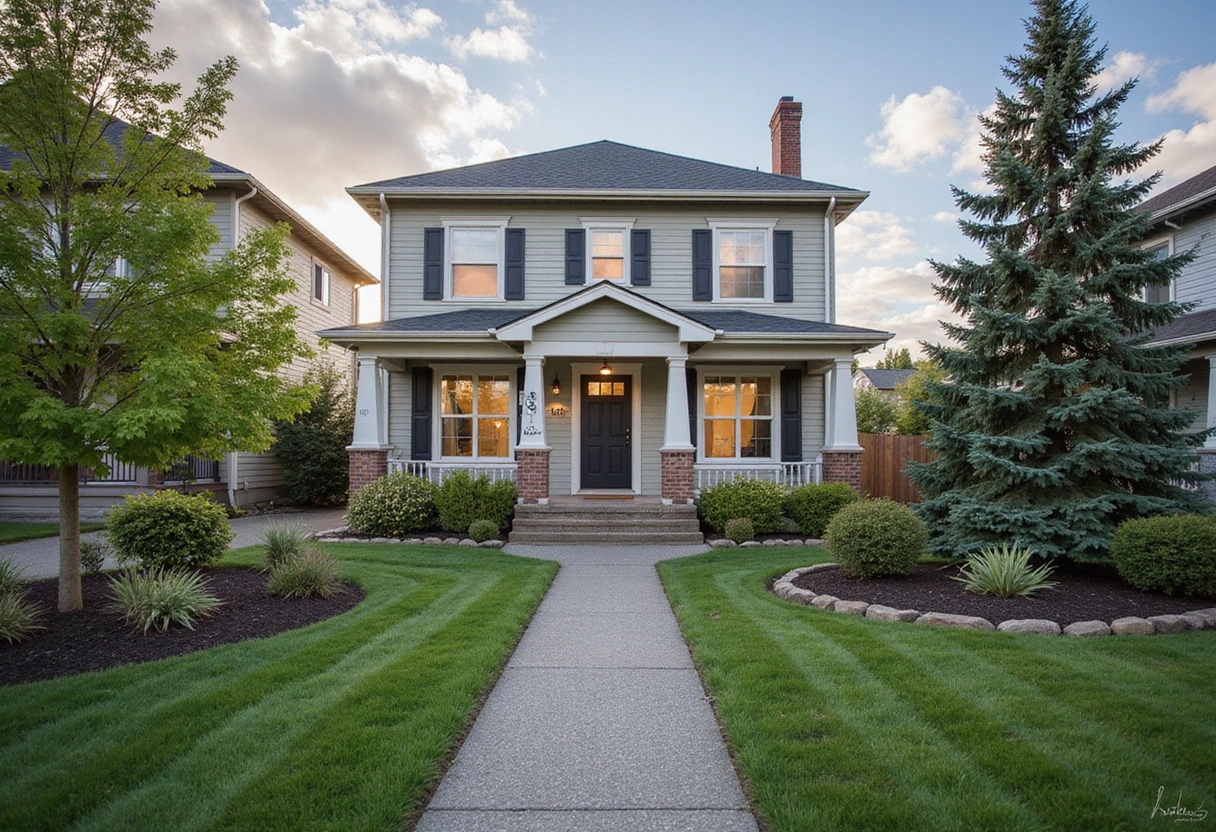
Managing single-family homes presents unique challenges compared to apartments. One of the primary concerns is maintenance, as homeowners are often responsible for the upkeep of both the interior and exterior of the property. This can include landscaping, roof repairs, and general wear and tear, which may require a proactive approach to maintenance.
An essential aspect of single-family home management is tenant screening. A thorough screening process helps ensure that tenants are reliable and responsible, reducing the risk of late payments or property damage. This process should include background checks, credit history reviews, and verification of rental history. By taking the time to find the right tenant, landlords can foster a stable rental environment that minimizes turnover and maximizes profitability.
Apartment Management Insights
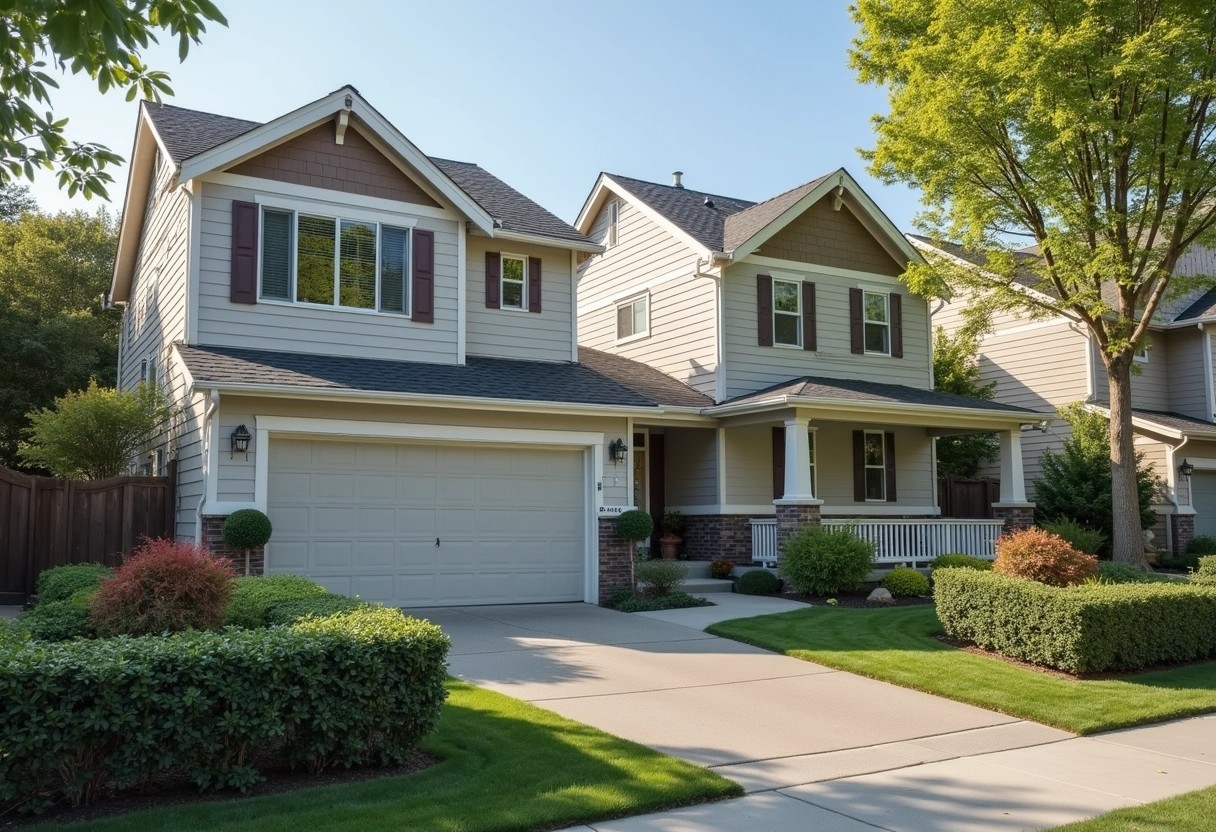
Managing apartments involves different strategies than single-family homes, primarily due to the communal living environment and the need for efficient management of shared amenities. One key difference is the importance of tenant retention. High turnover rates in apartment complexes can lead to increased costs and disruptions, making it essential to keep tenants satisfied.
To improve tenant retention in apartments, landlords should focus on creating a sense of community. This can involve organizing social events, maintaining clean and inviting common areas, and addressing tenant concerns promptly. Additionally, offering amenities such as fitness centers, rooftop gardens, or coworking spaces can enhance the attractiveness of the property and encourage longer leases.
Another critical factor in apartment management is communication. Utilizing property management software can streamline communication between landlords and tenants, allowing for quick responses to maintenance requests and inquiries. This not only improves tenant satisfaction but also helps landlords stay organized and efficient.
Landlord Best Practices for Success
Regardless of whether you manage a single-family home or an apartment, adhering to general principles for effective property management is vital. Establishing clear expectations with tenants regarding lease terms, maintenance responsibilities, and payment procedures can help prevent misunderstandings and foster a positive rental experience.
Building positive relationships with tenants is another cornerstone of successful property management. Regular communication, transparency, and responsiveness to tenant needs can lead to higher tenant satisfaction and lower turnover rates. Consider implementing regular check-ins to gather feedback and address any concerns, which can reinforce tenant loyalty and trust.
Additionally, staying informed about Seattle rental laws is essential. Understanding regulations regarding tenant rights, eviction processes, and safety requirements can help landlords avoid legal pitfalls and ensure compliance. Keeping abreast of any changes in legislation can also inform management practices and help landlords adapt to new requirements.
Practical Application of Seattle Property Management Tips
In summary, understanding the nuances of managing single-family homes versus apartments is key to succeeding in the Seattle rental market. By implementing best practices tailored to each property type and fostering strong tenant relationships, landlords can enhance their operational efficiency and profitability.
RentalRiff offers independent landlords and small portfolio property owners the support they need to apply these insights effectively. With professional maintenance and tenant support, you can optimize your property management without the high costs associated with full-service management.
Visit our website or contact us for more information on how we can assist you in navigating the complexities of Seattle property management, ensuring that you maximize your investment while maintaining satisfied tenants.
For many single-family owners, on-call maintenance beats full management. See how RentalRiff compares.