
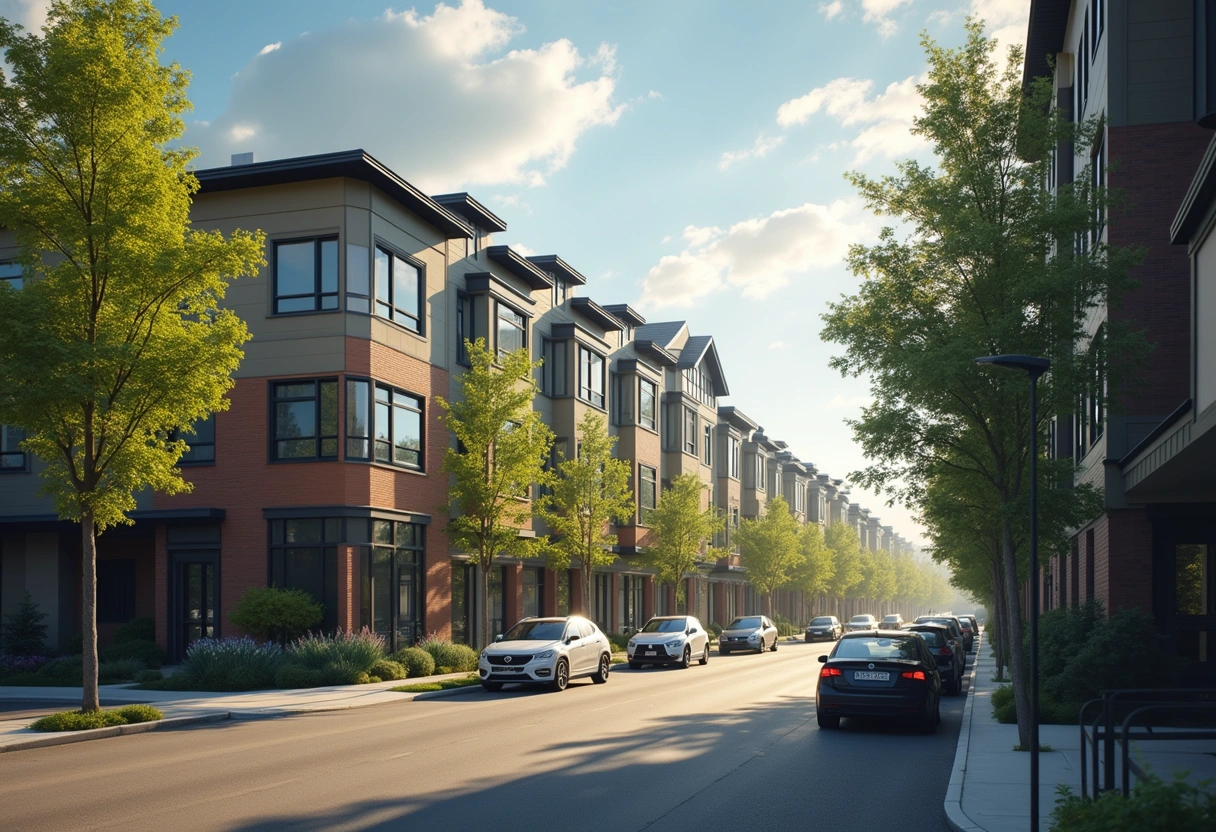
This article will explore the essential roles of Seattle tenants in maintaining exterior spaces, outlining responsibilities, rights, and effective communication strategies.
Navigating Shared Maintenance Responsibilities
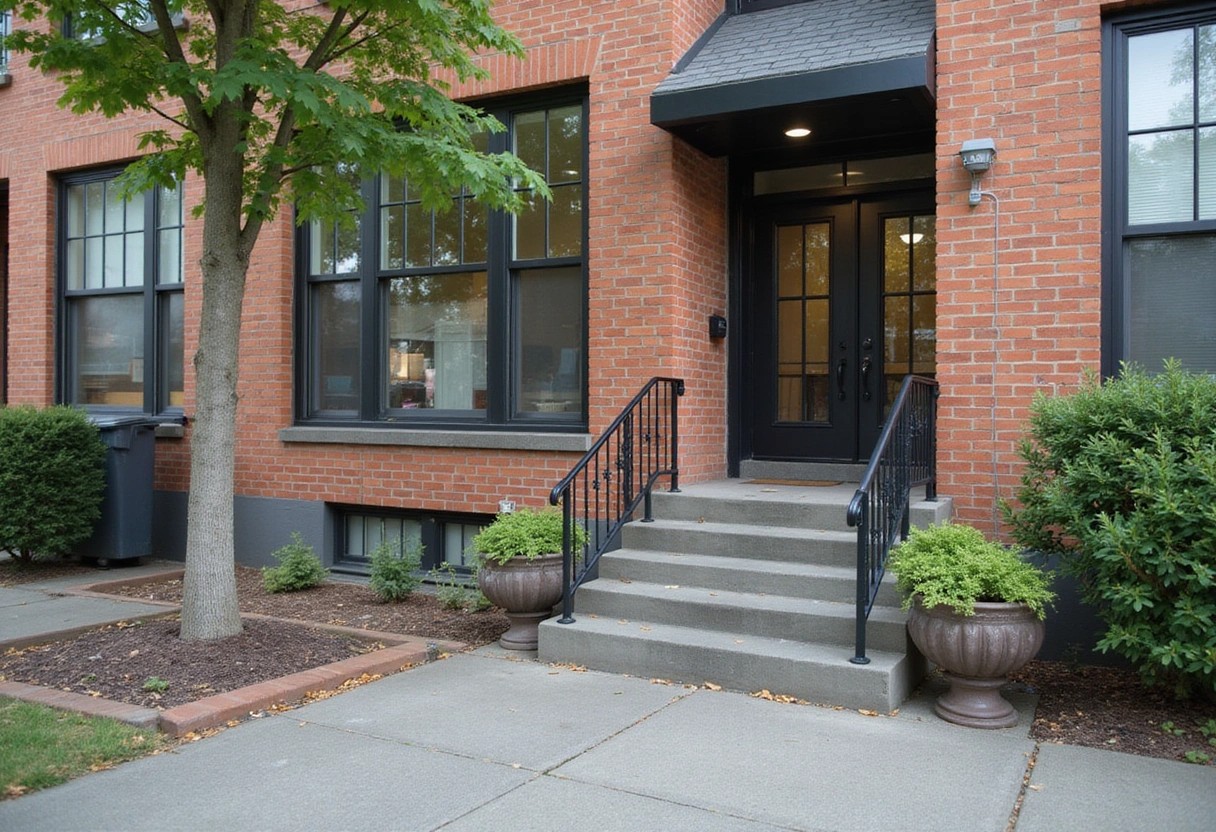
When it comes to shared living arrangements, identifying common areas is the first step in understanding maintenance responsibilities. Common areas typically include yards, patios, balconies, and walkways that are accessible to all tenants. The upkeep of these areas is not just a matter of aesthetics; it directly impacts the living conditions and overall enjoyment of the property. Tenants need to be aware that neglecting these areas can lead to disputes and deteriorating living conditions.
Shared maintenance responsibilities often require tenants to collaborate. This can include routine tasks such as mowing the lawn, clearing debris, and maintaining garden areas. Establishing a schedule or a rotating duty roster can help ensure that all tenants participate equally in these responsibilities. Additionally, it is important for tenants to communicate openly about any issues that arise in these shared spaces, fostering a sense of community and accountability.
Clarifying Tenant Rights in Seattle
Understanding tenant rights in Seattle is essential for anyone living in a rental property. Seattle housing laws provide tenants with specific rights related to maintenance and habitability. According to the Residential Landlord-Tenant Act, landlords are required to maintain their properties in a safe and sanitary condition. This includes making necessary repairs and ensuring that common areas are kept clean and safe.
If a tenant believes their rights are being violated, such as failure to address maintenance issues, there are steps they can take. Documenting the problem with photos and written communication is crucial. Tenants can then address their concerns with the landlord directly or seek assistance from local tenant advocacy groups. Knowing these rights empowers tenants to advocate for themselves and ensures that their living environment meets legal standards.
Effective Outdoor Maintenance Tips for Tenants
Keeping shared outdoor spaces clean and inviting is a collective responsibility that requires participation from all tenants. Here are some best practices to consider:
- Regular Cleaning: Establish a routine for cleaning common outdoor areas, including picking up litter and sweeping walkways.
- Gardening Duties: If there are shared gardens, set up a schedule for watering and weeding to keep them healthy and attractive.
- Seasonal Preparations: Different seasons require different maintenance tasks. For example, in the fall, tenants should work together to rake leaves, while in the spring, cleaning up winter debris is essential.
Seasonal maintenance considerations also include preparing for inclement weather. Ensuring that walkways are clear of snow and ice during winter months is vital for safety. By maintaining a proactive approach to outdoor upkeep, tenants can enhance their living environment and foster a sense of community.
Understanding Your Obligations Under Rental Agreements
Rental agreements are foundational documents that specify the obligations of both tenants and landlords. When it comes to maintenance duties, these agreements often outline what is expected from tenants regarding shared spaces. Understanding these stipulations is crucial to fulfilling one’s responsibilities and avoiding disputes.
Disputes over maintenance obligations can arise, especially if expectations are unclear. To navigate these situations, tenants should refer back to their rental agreements for clarity. If disagreements persist, it may be necessary to involve a mediator or seek legal advice. Being informed about one’s obligations helps prevent misunderstandings and promotes a cooperative living environment.
Communicating Effectively About Maintenance Issues
Effective communication is key to addressing maintenance issues in shared living situations. Establishing open lines of communication with both roommates and landlords can significantly reduce conflicts. Regular meetings or informal check-ins can provide opportunities to discuss any maintenance concerns, ensuring that everyone is on the same page.
Documenting maintenance requests is another important aspect of communication. Keeping a written record of issues, along with any correspondence with landlords or property managers, can be invaluable if disputes arise. This documentation serves as evidence and can facilitate quicker resolutions.
The Intersection of Maintenance and Community Living
Understanding your role in shared exterior maintenance is vital for fostering a pleasant living environment. By being proactive about shared maintenance responsibilities, clarifying tenant rights, and communicating effectively, Seattle tenants can contribute to a harmonious community. RentalRiff recognizes the unique challenges faced by independent landlords and small portfolio property owners, offering tailored support for property maintenance and tenant relations.
If you are a landlord looking for professional maintenance solutions and tenant support without the costs associated with full-service property management, visit our website or contact us for more information. With RentalRiff, you can ensure that your shared living spaces remain well-maintained and enjoyable for all tenants.