

Recognizing Typical Rainy Season Conditions
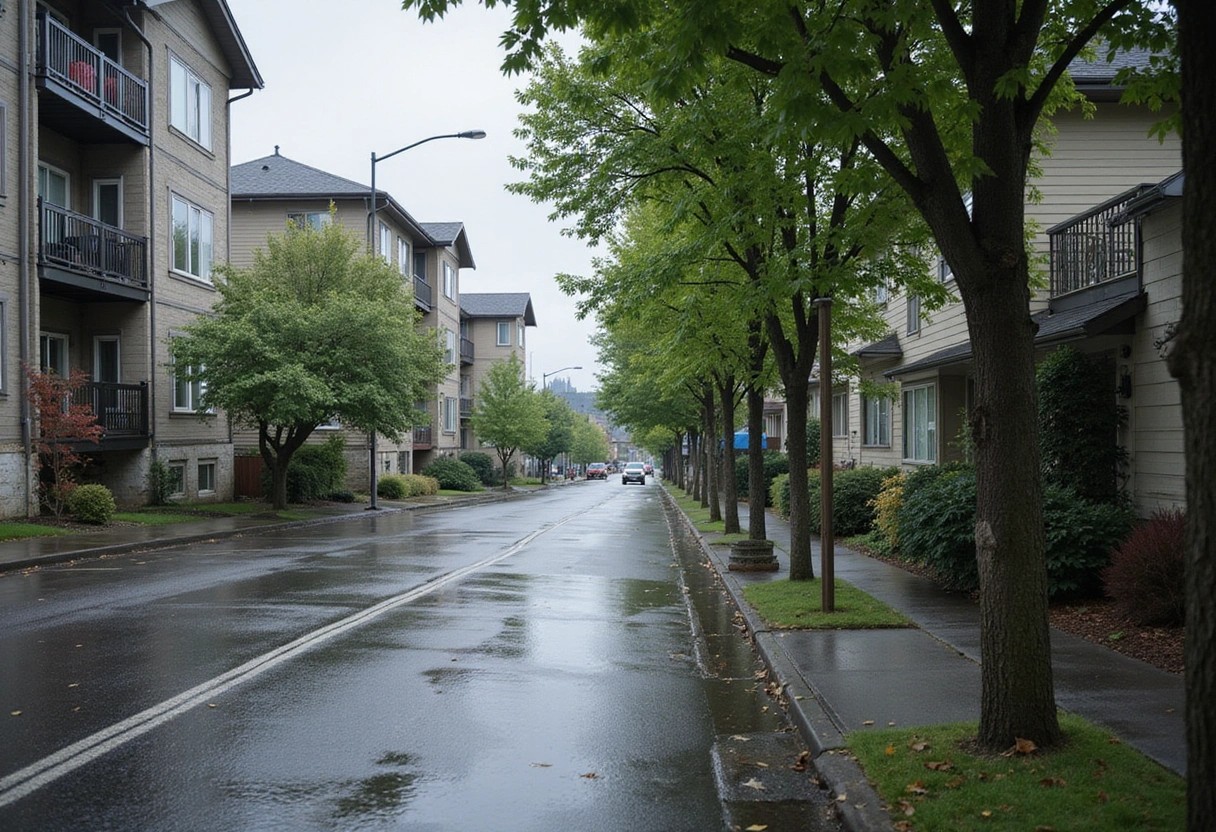
Seattle is renowned for its rainy climate, particularly during the fall and winter months. The rainy season typically spans from late September through early March, with November being one of the wettest months. During this time, tenants should expect a range of weather-related conditions that can affect their living environment.
Common weather patterns include consistent drizzles and heavy downpours, which can lead to increased moisture levels in homes. This humidity can cause paint to peel, wood to warp, and other materials to degrade. While some wear and tear is expected in rentals, it is essential to differentiate between normal conditions and those that indicate a deeper problem. For instance, minor leaks from roof drainage systems or condensation on windows may be normal, but persistent water intrusion could signal maintenance issues.
Normal wear and tear during the rainy months can include the following:
- Minor water stains on ceilings or walls that do not increase in size
- Occasional condensation on windows, particularly in older buildings
- Slightly warped wooden surfaces due to humidity
Understanding these typical conditions can help tenants feel more prepared and informed about their living situation during the rainy season. Housing trends can provide additional insights into how weather affects rental properties.
Identifying Problems That Require Reporting
While some moisture-related conditions are typical during the rainy season, there are specific issues that require immediate attention from landlords. Mold and mildew can proliferate in damp environments, posing health risks and leading to further property damage. Tenants should be vigilant in identifying signs of mold, which can include:
- Visible growth on walls, ceilings, or other surfaces
- A musty odor that persists in living spaces
- Allergy-like symptoms, such as sneezing or respiratory issues, worsening indoors
If tenants notice any of these signs, it is crucial to report them to their landlord promptly. Seattle rental regulations mandate that landlords must maintain safe living conditions, which includes addressing mold issues.
Water damage is another concern that tenants should report. Indicators of water damage that violate rental regulations include:
- Peeling or bubbling paint and wallpaper
- Dark spots or stains on walls or ceilings that increase over time
- Soft or spongy areas on floors or walls, indicating underlying moisture
Recognizing these problems early can help prevent more severe damage and ensure compliance with Seattle's rental regulations.
Navigating Tenant Rights in Seattle

Tenants in Seattle are afforded specific rights, especially during adverse weather conditions. Under Washington state law, tenants have the right to live in a safe and habitable environment. This includes protection against mold and other health hazards that can arise from weather-related issues.
If a tenant reports a problem, such as mold growth or significant water damage, and the landlord fails to address it within a reasonable timeframe, tenants have options for recourse. They can:
- Document the issue and any communications with the landlord.
- Submit a written request for repairs, specifying the timeline for expected action.
- Contact the Seattle Department of Construction and Inspections if the landlord does not respond adequately.
Understanding these rights allows tenants to advocate for themselves effectively and ensures that their living conditions meet the necessary health and safety standards.
Landlord Responsibilities and Seattle Rental Regulations
Landlords in Seattle have specific legal obligations, particularly during the rainy season. According to Seattle's housing codes, landlords must maintain their properties in a condition that is safe and habitable. This includes ensuring that roofs are in good repair, gutters are clean and functioning, and that the property is free from mold and excessive moisture.
Compliance with these regulations is not just a best practice; it is a legal requirement. Landlords must take proactive steps to address maintenance issues before they escalate, including:
- Regular inspections of roofing and drainage systems to prevent leaks
- Promptly responding to tenant reports of mold or water damage
- Providing adequate ventilation in bathrooms and kitchens to reduce humidity
By adhering to these responsibilities, landlords can help prevent weather-related issues and ensure that their properties remain compliant with Seattle housing codes.
Understanding Seattle Tenants and Rain Season: What’s Normal vs. What Needs Reporting
As the rainy season settles in, it becomes increasingly important for tenants to understand the distinction between what is normal and what requires reporting. Awareness of typical conditions and tenant rights can empower residents to maintain their living environment effectively. RentalRiff is committed to supporting independent landlords and small property owners by providing resources and guidance on how to address tenant concerns during this challenging season.
If you are an independent landlord or manage a small portfolio and want to enhance your property management strategy without the need for full-service management, visit our website or contact us for more information on how RentalRiff can help you navigate the complexities of tenant relations during the rainy season.