

Seattle is a city defined by its architectural history, where charming vintage apartments line the streets of neighborhoods like Capitol Hill and Queen Anne. However, these beautiful older units often hide a structural flaw that becomes painfully obvious as soon as the damp Pacific Northwest chill sets in: inadequate insulation. We are going to explore the unique challenges of heating and cooling Seattle’s aging rental stock and how landlords can implement strategic upgrades to enhance tenant comfort and property value.
The Physical Reality of Seattle’s Older Housing Stock
Many of the most popular rental units in Seattle were constructed long before modern energy codes were established. During the early and mid-twentieth century, the focus was on structural aesthetics and airflow rather than thermal resistance. As a result, these buildings often lack the thick layers of fiberglass or cellulose insulation that we take for granted in new construction today. In many cases, the walls are essentially hollow, allowing heat to radiate directly through the siding and into the cold Seattle night.
This lack of thermal protection creates a direct financial burden for residents. When heat escapes through the walls, ceilings, and floors, the heating system must work overtime to maintain a habitable temperature. This leads to a cycle of high energy bills and uneven indoor temperatures where some rooms feel like ice boxes while others are sweltering. Addressing these deficiencies is not just about comfort; it is about the fundamental preservation of the building envelope against the constant threat of moisture and mold that thrives in poorly ventilated, uninsulated spaces.
Common Thermal Leakage Points in Vintage Units
- Hollow Wall Cavities: Older balloon-frame or masonry buildings often have significant air gaps between the interior plaster and exterior siding.
- Uninsulated Crawl Spaces: Cold air rising through the floorboards can make a first-floor unit feel perpetually drafty.
- Single-Pane Windows: Historic windows are beautiful but offer almost zero resistance to thermal transfer and are often prone to significant air leaks.
- Attic Bypass Areas: Heat naturally rises, and without a thick blanket of attic insulation, it escapes through the roof, often leading to ice damming in colder winters.
The Economic Benefits of Energy Efficiency Upgrades
For a property owner, investing in insulation might feel like an invisible expense, but the return on investment is tangible and multi-faceted. A well-insulated building is a more durable building. By stabilizing the internal temperature, you reduce the mechanical strain on your HVAC systems, extending their lifespan and reducing the frequency of emergency repair calls. Furthermore, an energy-efficient unit is a major selling point in the competitive Seattle market, where tenants are increasingly conscious of their carbon footprint and monthly utility overhead.
When you improve a unit’s thermal performance, you are also protecting your bottom line from the high cost of turnover. Seattle tenants who feel comfortable in their homes and are not burdened by astronomical electric bills are far more likely to renew their leases year after year. Proactive property care in the form of insulation upgrades is a strategic move that pays for itself through lowered maintenance costs and higher occupancy rates. RentalRiff focuses on this type of preventative maintenance, ensuring that the physical upkeep of the home contributes to its long-term financial performance.
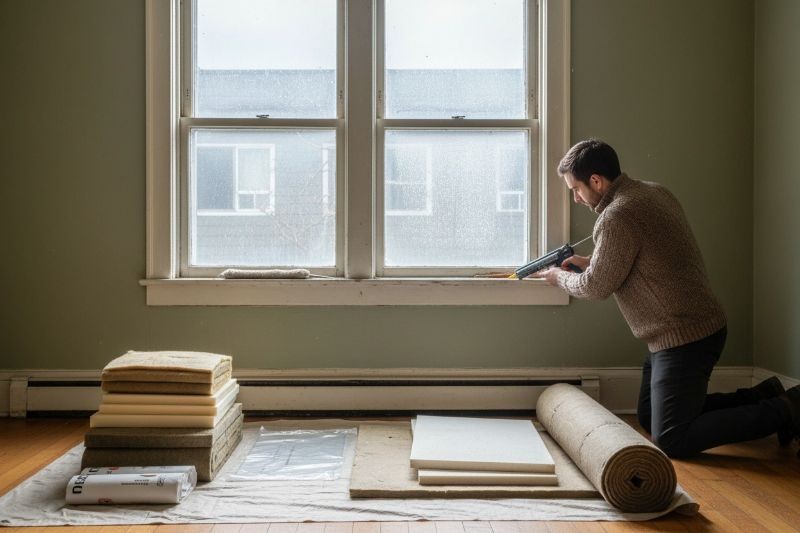
ROI Metrics for Insulation Improvements
- Lower Vacancy Rates: Comfort and lower utility costs are top priorities for high-quality long-term tenants.
- HVAC Longevity: Systems that don't have to run 24/7 to keep up with heat loss experience fewer breakdowns.
- Property Appreciation: Energy efficiency certifications and upgrades increase the appraised value of the building.
- Reduced Moisture Damage: Proper insulation often includes air sealing, which prevents humid indoor air from condensing inside walls and causing rot.
Strategic Solutions for Retrofitting Older Buildings
Retrofitting an existing building with insulation requires a more nuanced approach than insulating a new build. You cannot simply tear down the plaster walls to install batts without incurring massive costs. Instead, landlords should look toward "blown-in" solutions. This process involves drilling small, discreet holes into the wall cavities and filling them with dense-pack cellulose or foam. Once the holes are patched and painted, the building’s appearance remains unchanged, but its thermal resistance is vastly improved.
Another high-impact, low-cost strategy is addressing "low-hanging fruit" like weatherstripping and door sweeps. A significant amount of heat loss in Seattle rentals occurs through the gaps around historic doors and windows. By empowering a specialist to perform a thorough air-sealing sweep of the property, you can achieve noticeable results for a fraction of the cost of a full insulation overhaul. This level of targeted maintenance is a hallmark of the service provided by RentalRiff, which connects owners with licensed specialists who understand the specific needs of older Pacific Northwest properties.
Effective Retrofit Options
- Cellulose Blown-In Insulation: Made from recycled paper, this is an eco-friendly and effective way to fill existing wall cavities.
- Rim Joist Sealing: Using spray foam to seal the gaps where the house frame meets the foundation can stop floor-level drafts.
- Attic Insulation Topping: Adding a fresh layer of R-49 or higher insulation to the attic is one of the fastest ways to improve heat retention.
- Window Inserts: If replacing historic windows isn't an option, high-quality interior inserts can provide double-pane performance without changing the look.
Tenant Support and Communication During Upgrades
The process of upgrading a rental unit requires clear communication between the landlord and the resident. Since many insulation tasks involve entering the unit or working on the exterior, it is essential to manage tenant expectations regarding noise and access. Explaining the long-term benefits—specifically the reduction in their monthly heating costs—is usually enough to secure enthusiastic cooperation from tenants who are tired of shivering through the winter.
By maintaining a professional line of tenant support and communication, you can turn a maintenance project into a positive relationship-building event. Providing residents with data on how these changes will impact their comfort shows that you are an invested landlord who cares about the quality of their living environment. RentalRiff serves as the primary contact for these interactions, handling the logistics of 24/7 maintenance requests and coordinating with specialists so that upgrades happen smoothly and efficiently.
Navigating Seattle’s Regulatory and Climate Context
Seattle has some of the most progressive energy goals in the country, and the city often provides incentives or rebates for landlords who perform energy-efficient retrofits. Staying informed about local utility programs, such as those offered by Seattle City Light, can significantly offset the cost of insulation projects. Furthermore, being proactive about these upgrades ensures that your property remains compliant with future energy transparency and performance standards that are becoming increasingly common in urban rental markets.
Beyond regulation, the Seattle climate itself demands a specific approach to insulation. Because of the high humidity, any insulation project must be paired with proper ventilation to ensure that moisture does not become trapped. A professional property upkeep checklist should include regular checks of bathroom fans and kitchen vents to ensure they are effectively moving moist air out of the building. This holistic view of the property ensures that your "tightening" of the home doesn't lead to unintended moisture issues.
Seattle-Specific Maintenance Considerations
- Crawl Space Vapor Barriers: Essential for keeping the damp Seattle soil from contributing to indoor humidity.
- Ventilation Audits: Ensuring that air-sealing the home hasn't compromised the indoor air quality.
- Local Rebate Research: Checking for City of Seattle or state-level financial incentives for energy retrofits.
- Gutter and Downspout Integration: Ensuring that exterior water is diverted away from newly insulated walls to prevent saturation.
Future-Proofing Your Seattle Investment
The trend toward energy efficiency is only going to accelerate, and older units that fail to adapt will eventually become less competitive and more expensive to maintain. By taking a proactive stance on insulation and thermal performance today, you are future-proofing your investment against rising energy costs and shifting tenant demands. A home that is warm, dry, and efficient is a home that remains profitable.
Whether you are performing turnover services between tenants or managing a long-term occupancy, every maintenance opportunity should be viewed through the lens of property preservation. By focusing on the physical upkeep of the home and utilizing expert help to address the challenges of older units, you ensure that your Seattle rental remains a crown jewel in your portfolio. Investing in insulation is an investment in the very fabric of your property's success, providing lasting value for both you and your residents.