
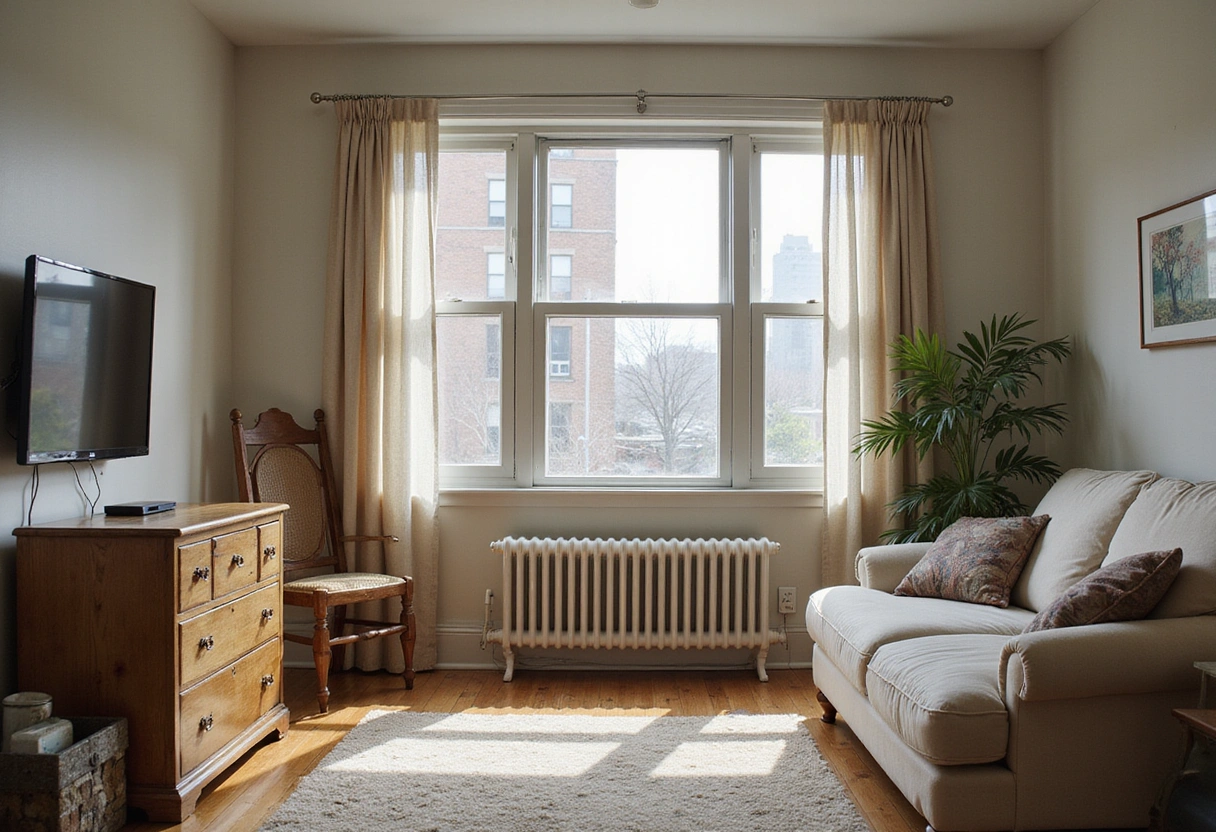
As a Seattle landlord, ensuring your rental properties are comfortable and efficient is crucial for tenant satisfaction. The Pacific Northwest is known for its damp and chilly winters, making effective heating systems a priority for landlords managing rental properties.
The Lifespan of Baseboard Heaters: What You Need to Know
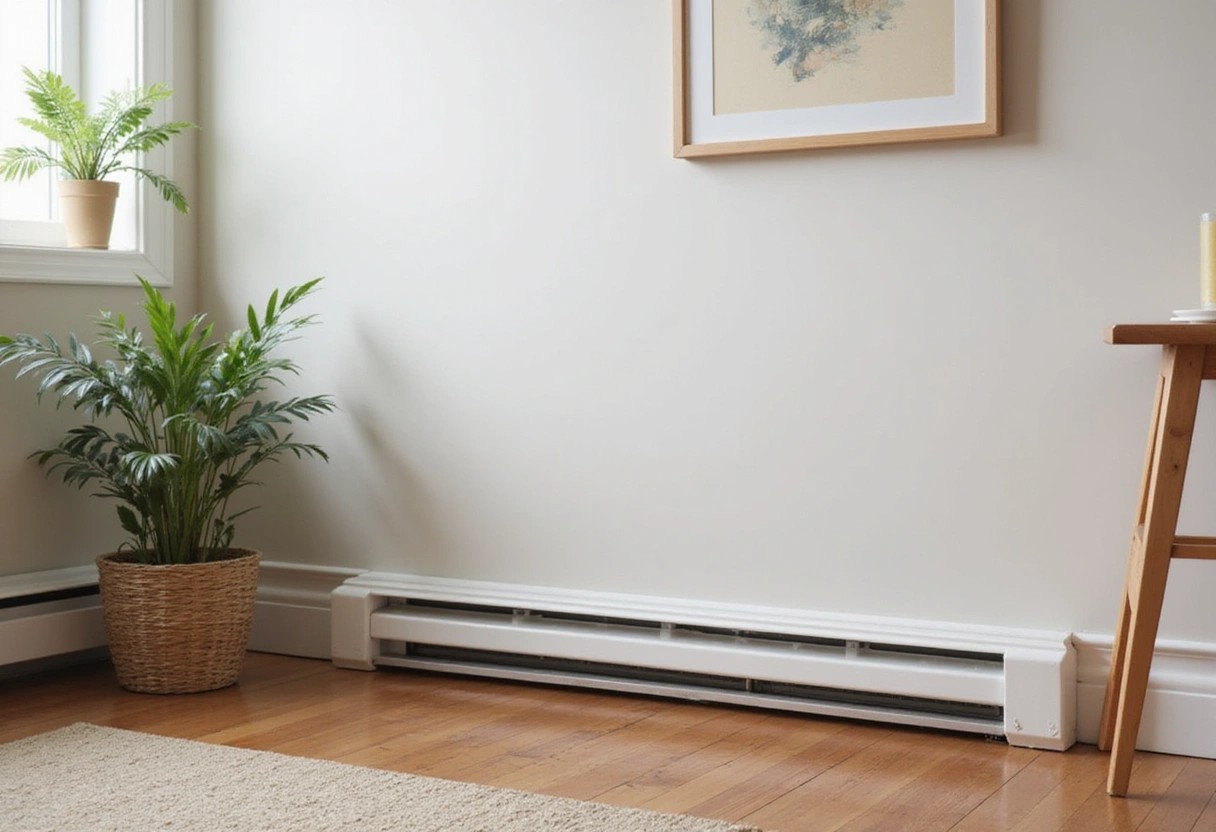
Understanding the typical lifespan of baseboard heaters is essential for Seattle landlords. Generally, baseboard heaters can last between 15 to 25 years, depending on various factors. These factors include the quality of the heater, frequency of use, maintenance practices, and the overall heating system's condition. For example, well-maintained heaters that are regularly cleaned and serviced may function efficiently for longer periods, while those neglected can fail much sooner.
Another critical factor affecting heater longevity is the type of heating system in place. For instance, electric baseboard heaters may have different durability characteristics compared to hot water or steam systems. Landlords should be aware of the specific type of baseboard heater they are using and its expected lifespan. This knowledge enables proactive planning for replacements and helps prevent unexpected breakdowns that could impact tenant comfort.
Signs That Indicate It's Time for Replacement
Several signs can indicate that baseboard heaters are becoming inefficient and may need replacement. One common sign is uneven heating within the rental unit. If certain rooms remain cold while others are excessively warm, it could indicate that the heaters are not functioning correctly. This inefficiency can lead to tenant dissatisfaction and increased energy costs, making it essential for landlords to act promptly.
Another significant indicator is the presence of corrosion or rust on the baseboard heaters. This physical deterioration can compromise the heater's functionality and efficiency. Additionally, if tenants report frequent fluctuations in temperature or increased utility bills, it may be time for an energy-efficient heating systems upgrade. Addressing these issues not only ensures tenant comfort but also contributes to overall energy savings, aligning with the growing demand for sustainable living solutions in the Seattle housing market.
Landlord Responsibilities: Staying Compliant and Proactive
Landlords have specific legal obligations regarding heating systems in their rental properties. In Seattle, rental properties must comply with local housing codes, which often include maintaining adequate heating during colder months. Failure to meet these requirements can result in legal repercussions and tenant complaints. Understanding these responsibilities is crucial for landlords aiming to maintain compliance and provide safe living conditions for their tenants.
Proactively addressing heating system issues is part of a landlord's responsibility. Regular inspections and maintenance of heating systems, including baseboard heaters, can help identify problems before they escalate. Ensuring tenant safety and comfort not only fulfills legal obligations but also builds a positive landlord-tenant relationship. By staying ahead of potential heating issues, landlords can enhance tenant satisfaction and reduce turnover rates, benefiting their overall rental business.
Cost Considerations for Heating Repairs and Replacement
When considering whether to repair or replace old baseboard heaters, understanding the cost implications is essential. Estimating the costs for replacement versus repair can help landlords make informed decisions. Minor repairs, such as replacing thermostats or cleaning filters, may extend the life of a heater at a lower cost. However, if a heater is approaching the end of its lifespan or showing signs of significant wear, replacement may be the more economical option in the long run.
Budgeting for energy-efficient upgrades is also vital. While the initial investment for new, energy-efficient heating systems may be higher, the long-term savings on utility bills can be substantial. Landlords should consider not only the immediate costs but also the potential for reduced energy expenses and increased property value. Investing in modern heating solutions aligns with the growing trend toward energy efficiency, which is increasingly important to tenants in the Seattle housing market.
Choosing the Right Heating Solutions for Seattle Properties
Evaluating various heating system options is crucial for Seattle landlords looking to replace old baseboard heaters. Factors to consider include the size of the property, the local climate, and tenant preferences. Options may range from traditional baseboard heaters to more modern solutions like ductless heat pumps or radiant floor heating. Each option has its own advantages and drawbacks, so landlords should carefully assess what will work best for their properties.
Tailoring heating solutions for the Seattle housing market is also essential. Given the region's unique climate, investing in systems that provide consistent heating while being energy-efficient can greatly enhance tenant comfort. Additionally, choosing heating systems with smart technology can offer added convenience for tenants, further increasing the attractiveness of the rental property. By selecting the right heating solutions, landlords can not only improve tenant satisfaction but also increase the property's marketability in a competitive housing environment.
Understanding the Importance of Baseboard Heater Replacement for Landlords
Recognizing when to replace old baseboard heaters is an important aspect of property management for Seattle landlords. By understanding the lifespan of these systems, identifying signs of inefficiency, and fulfilling legal responsibilities, landlords can ensure their properties remain compliant and comfortable for tenants. Additionally, considering cost factors and exploring various heating solutions can lead to informed decisions that benefit both landlords and tenants.
For independent landlords and small portfolio property owners, maintaining a proactive approach to heating system management is essential. RentalRiff can provide valuable support in navigating the complexities of rental property maintenance, offering professional assistance tailored to your needs. Whether you require help with regular inspections, energy efficiency upgrades, or tenant support, our services are designed to enhance your rental management experience.