
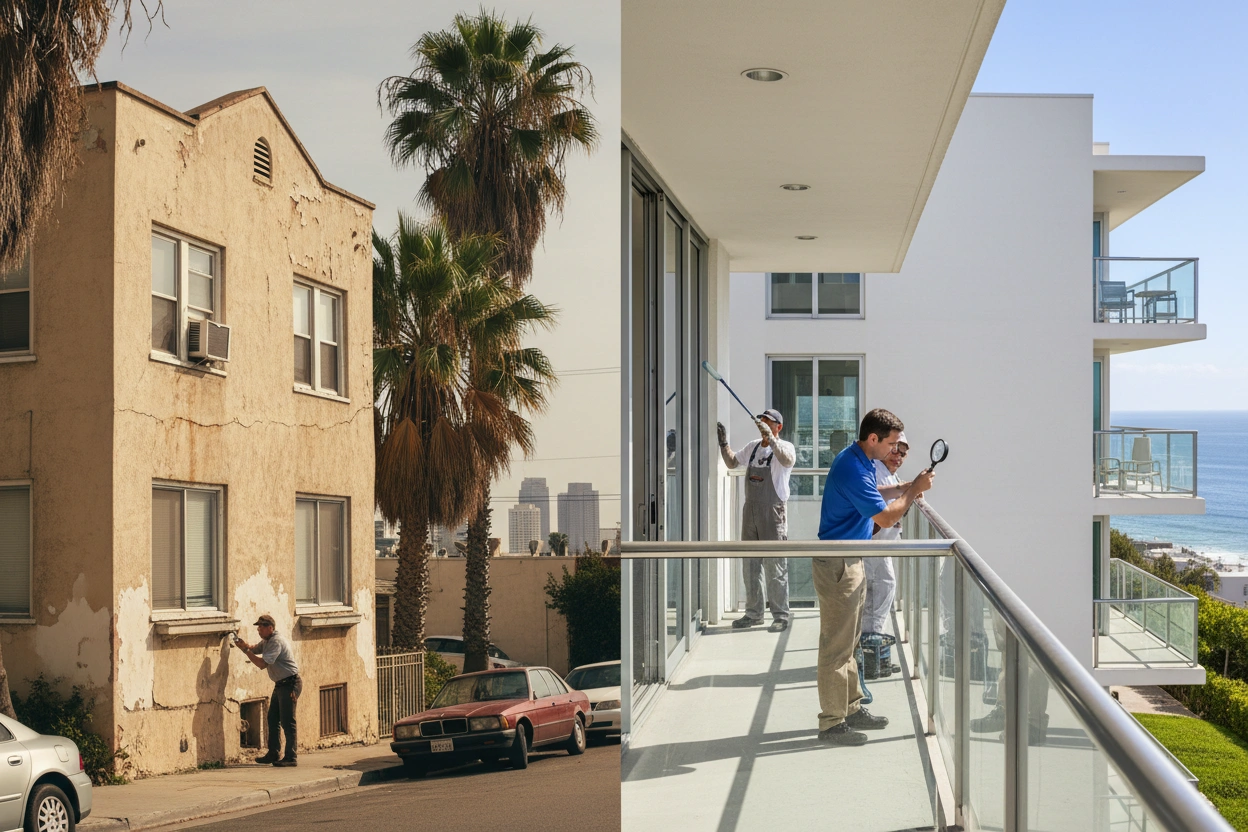
Where your San Diego rental sits shapes everything about how you'll maintain it. Coastal properties battle salt air, humidity, and moisture intrusion that accelerate corrosion and exterior wear year-round. Mid-City rentals face intense summer heat, aging infrastructure, and outdated systems that strain under seasonal pressure. Each location creates its own predictable maintenance patterns and costs. Stick around, and you'll know exactly what to watch for in your specific area.
Key Takeaways
- Coastal rentals face salt air corrosion and humidity damage, requiring more frequent exterior inspections and weatherproofing than Mid-City properties.
- Mid-City rentals experience intense summer heat that strains aging electrical systems, HVAC units, and deteriorating insulation.
- Moisture intrusion in coastal areas causes window seal breakdown and paint failure, accelerating overall wear and tear.
- Older Mid-City infrastructure leads to cracked drywall, warped wood, and outdated plumbing requiring proactive system replacements.
- Landlords in both regions miss predictable maintenance issues—coastal corrosion and Mid-City heat damage—that worsen without regular inspections.
What Makes San Diego Coastal and Mid-City Rentals So Different
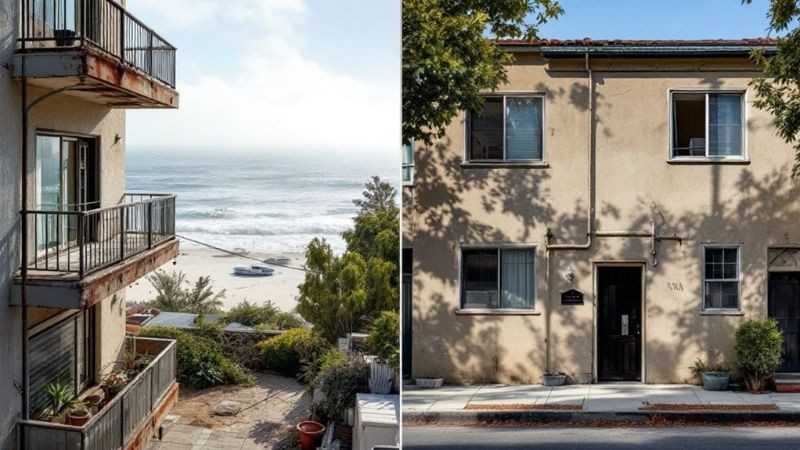
Whether your rental is steps from the ocean in La Jolla or nestled in a Mid-City neighborhood like North Park or City Heights, the maintenance challenges you're dealing with look very different.
Coastal amenities like ocean views and beach access come with a real cost—salt air accelerates corrosion, humidity warps wood, and UV exposure breaks down exterior finishes faster than inland properties. Salt corrosion is a silent threat that can lead to costly repairs if not addressed promptly.
Mid-city trends tell a different story. Older housing stock, aging plumbing, and higher tenant turnover drive the maintenance demands in these neighborhoods.
Your property's location shapes everything from how often you're repainting to what your HVAC system endures. Understanding these distinctions helps you stay ahead of repairs instead of constantly reacting to them.
How Salt Air and Humidity Drive Coastal Maintenance Costs
Living near the coast has obvious appeal for tenants, but for landlords, proximity to the ocean translates directly into accelerated wear and higher maintenance frequency.
Salt corrosion and humidity damage aren't minor inconveniences—they're budget line items you need to plan for.
Coastal properties in San Diego face three recurring cost drivers:
- Metal degradation – Salt air corrodes hinges, railings, HVAC components, and fasteners faster than inland properties experience.
- Paint and siding failure – Humidity damage causes peeling, blistering, and wood rot that requires more frequent repainting and material replacement.
- Window and door seal breakdown – Moisture intrusion accelerates gasket failure, leading to drafts and water damage.
If you own coastal rentals, you're not dealing with if these issues occur—you're managing when. Regular inspections and treatments for pests, such as cockroaches and termites, are vital to prevent additional complications from moisture and humidity.
Mid-City's Heat and Aging Infrastructure Challenges
While coastal landlords battle salt and humidity, Mid-City property owners face a different set of pressures: intense summer heat and infrastructure that's decades past its prime.
Neighborhoods like North Park, City Heights, and Normal Heights are packed with older homes where aging electrical panels, galvanized pipes, and outdated HVAC systems struggle under the seasonal load.
Heat management becomes critical when summer temperatures push into the 90s. Overworked cooling systems fail more often, and poor insulation drives up tenant complaints.
You're also more likely to deal with cracked drywall, warping wood, and worn weatherstripping.
Infrastructure upgrades aren't optional here—they're preventative. Proactively replacing outdated systems before they fail keeps repair costs down and helps you avoid the expensive, disruptive emergencies that catch unprepared landlords off guard. Additionally, landlords must ensure heating systems are safe and functional to prevent urgent issues during peak summer heat.
The Repair Frequency Gap Between Coastal and Inland Rentals
Coastal and inland rentals in San Diego don't just face different maintenance problems—they face them at different rates. Weather impact drives this gap more than anything else. As a landlord, understanding repair frequency by location helps you plan budgets and avoid reactive spending.
Coastal properties typically require:
- More frequent exterior inspections — salt air accelerates corrosion on railings, fixtures, and HVAC components year-round.
- Seasonal weatherproofing checks — marine layer moisture increases mold and paint degradation risks each winter.
- Recurring window and seal maintenance — humidity cycling weakens caulking faster than inland conditions.
Mid-City landlords deal with heat-driven wear instead—cracking, dryness, and aging system failures.
Both demand consistent attention, just for entirely different reasons. Regular routine property checks can help landlords identify and address these region-specific issues before they escalate.
Which Property Issues Landlords in Each Area Miss Most
Coastal landlords often overlook corrosion on exterior fixtures and HVAC salt buildup because it builds gradually. By the time it's obvious, it's expensive. Tenant expectations near the coast also run higher—renters paying premium prices notice deferred upkeep fast.
Mid-City landlords tend to miss heat-related seasonal maintenance, particularly aging insulation, roof wear from sun exposure, and HVAC filters clogged by dry-season dust. Regular HVAC maintenance tips can help mitigate these issues.
Tenants in these areas deal with more temperature swings and feel neglected when cooling systems underperform.
In both zones, the missed issues aren't random—they're predictable. Knowing your area's patterns lets you get ahead of problems before tenants start submitting complaints.
How San Diego Rental Owners Can Stay Ahead of Both
Staying ahead in San Diego means building a maintenance rhythm that accounts for both coastal and inland conditions—not just reacting when something breaks.
Preventative maintenance and tenant education are your two strongest tools.
- Schedule zone-specific inspections. Coastal properties need semi-annual checks for corrosion, seal integrity, and moisture intrusion.
Mid-City properties need HVAC filter changes, roof inspections, and weatherproofing before summer heat peaks.
- Educate tenants on early warning signs. Teach coastal tenants to report rust streaks or swelling doors.
Remind inland tenants to flag AC performance drops or cracked caulking.
- Build a proactive service calendar. Don't wait for tenant complaints—set recurring maintenance dates tied to San Diego's seasonal patterns.
Consistency beats emergency calls every time.
Frequently Asked Questions
Does Property Age Affect Maintenance Costs Differently in Coastal Versus Mid-City Rentals?
Yes, property age hits coastal rentals harder. You'll face accelerated coastal wear from salt air and humidity, shortening property lifespan faster than mid-city homes. Older coastal properties need more frequent inspections, repairs, and proactive maintenance to stay competitive.
How Do Tenant Behaviors Differ Between Coastal and Mid-City Rental Properties?
Coastal tenants' active lifestyle brings sand, saltwater, and gear storage into your units, accelerating wear. Mid-city renters show steadier routines with less seasonal intensity, so you'll face more consistent, predictable maintenance demands rather than activity-driven damage spikes.
Are Landlord Insurance Premiums Higher for Coastal San Diego Rental Properties?
Yes, you'll typically pay higher insurance premiums for coastal San Diego rentals. Insurers weigh premium factors like flood risk, salt air corrosion, and storm exposure, so your insurance coverage costs more than mid-city properties.
How Does San Diego's Seasonal Weather Affect Rental Maintenance Schedules Year-Round?
San Diego's mild climate means you'll face fewer dramatic seasonal impacts, but weather considerations still matter. Schedule HVAC checks before summer heat, inspect roofs ahead of winter rains, and address coastal salt corrosion quarterly to stay proactive.
What Permits Are Commonly Required for Repairs in San Diego Rental Properties?
For San Diego rentals, you'll typically need permits for electrical, plumbing, structural, and HVAC work. Understanding local repair regulations and permit types keeps you compliant—RentalRiff's Property Specialists handle this process so you don't have to.
Conclusion
Whether you're managing a sun-bleached coastal bungalow or an aging Mid-City craftsman, you can't afford to treat maintenance as reactive. Salt air won't wait, and old plumbing won't fix itself. Know your property's environment, budget accordingly, and schedule inspections before small issues become costly repairs. San Diego's rental market rewards landlords who plan ahead — and it quickly penalizes those who don't. Your location defines your challenges; your preparation defines your bottom line.