

Owning a multi-unit property often feels like managing a small ecosystem where every moving part impacts the health of the whole. While the monthly rent checks provide a clear metric of success, the quiet erosion of your bottom line through minor, unnoticed maintenance issues can be devastating over time.
The Strategic Power of a Rental Profit Audit
A rental profit audit is far more than a simple glance at a spreadsheet; it is a comprehensive forensic evaluation of how your property breathes financially. By pulling back the curtain on every dollar that leaves your account, you can identify the exact points where your management strategy is failing to protect your margins. This process involves a rigorous look at income versus the triple threat of maintenance, repairs, and the often underestimated cost of tenant turnover.
When you commit to regular audits, you stop reacting to crises and start steering your investment. This proactive stance allows you to track expenses with precision, ensuring that you are not just spending money, but investing it in the longevity of the building. Beyond the numbers, an audit reveals the quality of your tenant experience. High maintenance costs often correlate with tenant frustration, so fixing the financial leak usually results in happier residents and more stable long term income.
Key Areas of Focus During Your Audit
To get the most out of this financial deep dive, you need to categorize your findings into actionable segments. This prevents the data from becoming overwhelming and helps you prioritize repairs that offer the highest return on investment.
- Operational Inefficiencies: Look for recurring small repairs that suggest a larger systemic failure.
- Vendor Performance: Evaluate whether the contractors you hire are providing lasting fixes or temporary patches.
- Utility Discrepancies: Unexplained spikes in water or electric bills often point to invisible leaks or failing appliances.
- Turnover Velocity: Analyze how much you spend on average to get a unit ready for a new tenant and where those costs can be streamlined.
Spotting the Hidden Drains in Your Portfolio
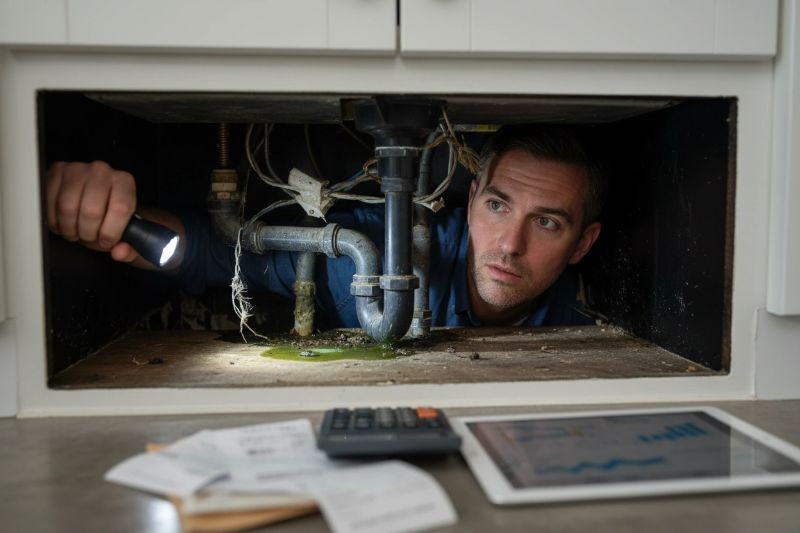
Invisible maintenance expenses are the silent killers of rental profitability because they rarely announce themselves with a bang. Instead, they manifest as a slow drip in a basement corner or an HVAC unit that has to work 20 percent harder because of a clogged filter. In multi-unit properties, these issues are magnified. A single leaky toilet in one unit might cost a few dollars a month, but spread across ten units, that neglected repair becomes a significant annual loss.
Landscaping is another area where costs frequently go unnoticed. If your irrigation system is poorly timed or has broken heads, you are essentially pouring money into the gutter. Similarly, common areas like hallways and laundry rooms require constant, small scale attention to prevent them from looking dilapidated. When these spaces fall into disrepair, you aren't just looking at a future repair bill; you are looking at a decrease in the perceived value of the property, which makes it harder to justify competitive rent prices.
Common Invisible Culprits
- Slow Water Leaks: Pinholes in pipes or worn out flappers in toilets can waste thousands of gallons of water.
- HVAC Inefficiency: Systems that aren't serviced regularly consume more energy and die years before their expected expiration date.
- Deferred Exterior Maintenance: Small cracks in siding or masonry can lead to moisture intrusion and structural rot that costs a fortune to fix later.
- Lighting and Electrical: Outdated fixtures in common areas can lead to higher utility bills and potential safety hazards.
Proactive Strategies for Sustainable Financial Health
The most successful landlords do not wait for a tenant to call with a complaint. Instead, they implement a rigid maintenance program designed to catch small problems before they become catastrophes. A central tool in this strategy is a property upkeep checklist. This document should be the North Star for your maintenance staff, detailing exactly what needs to be inspected and when.
Preventative maintenance is the ultimate hedge against turnover. When tenants see that a landlord is invested in the property, they are more likely to treat their individual units with respect and stay for multiple lease cycles. Simple acts like changing air filters every three months or inspecting water heaters annually can add years to the life of your expensive appliances and systems. This level of care is exactly what RentalRiff provides, offering a cost effective way to keep your property in top shape without the high overhead of a traditional management firm.
Building Your Maintenance Roadmap
To move from reactive to proactive, you must document your expectations. This ensures consistency across different units and helps you hold your team accountable for the property's condition.
- Quarterly Mechanical Inspections: Check all HVAC systems, water heaters, and sump pumps.
- Seasonal Exterior Reviews: Clear gutters in the fall and check for roof damage after winter storms.
- Safety Audits: Test smoke detectors and carbon monoxide alarms in every unit at least twice a year.
- Tenant Feedback Integration: Ask tenants about small issues during your routine visits to catch things they might not bother to report formally.
Streamlining the Repair and Communication Loop
One of the biggest drains on a landlord's time and money is the "telephone game" of maintenance requests. When a tenant has an issue, the speed and quality of the response determine whether that tenant renews their lease. Managing this communication for multiple units is a full time job, often involving late night calls and weekend emergencies.
By centralizing tenant support and communication, you create a professional buffer that protects your time and ensures that every request is logged and tracked. This data then feeds back into your rental profit audit, giving you a clear picture of which units or systems are causing the most trouble. RentalRiff acts as this primary point of contact, handling everything from 24/7 maintenance requests to coordinate with licensed specialists, so you can focus on the big picture of your investment.
Mastering the Art of the Turnover
The period between tenants is the most vulnerable time for your cash flow. Every day a unit sits empty is a day of lost income, and every dollar spent on unnecessary "refreshing" is a dollar out of your pocket. A successful turnover requires a military level of coordination between cleaners, painters, and repair technicians.
To minimize these costs, you should have a standardized turnover kit. This includes specific paint colors, flooring types, and fixture models used across all units. This standardization makes it easy to perform quick repairs without having to match unique materials for every unit. Additionally, conducting a pre move out inspection allows you to order parts and schedule labor before the tenant even hands over the keys, significantly shortening the vacancy window.
Efficiency Tactics for Unit Transitions
- Pre-Move Out Walkthroughs: Identify potential damages three weeks before the lease ends.
- Standardized Materials: Keep a stock of common items like light switches, faucet aerators, and door handles.
- Reliable Vendor Networks: Maintain relationships with specialists who understand the urgency of a turnover.
- Professional Cleaning Standards: Ensure every unit meets a high baseline of cleanliness to attract the best possible replacement tenants.
Securing Your Legacy Through Smarter Management
Taking control of your maintenance drains is about more than just this month's profit; it is about protecting the long term value of your asset. A property that is well maintained and financially optimized is easier to sell, easier to refinance, and far more enjoyable to own. By shifting your mindset from seeing maintenance as a burden to seeing it as a strategic advantage, you position yourself as a leader in the local rental market. With the right tools and a commitment to regular audits, you can stop the invisible leaks and start building a truly resilient portfolio.