

Mildew can silently infiltrate Tacoma rentals, posing risks to both tenants and property value. This fungal growth thrives in damp conditions and can lead to serious health issues, including respiratory problems and allergies. For landlords, the presence of mildew not only affects tenant satisfaction but can also result in costly repairs and decreased property appeal.
This article provides a comprehensive year-round strategy for mildew prevention in Tacoma rental properties, emphasizing best practices for landlords and effective moisture control techniques. By implementing these strategies, property owners can protect their investments and ensure a healthy living environment for their tenants.
Understanding Mildew and Its Impact on Rentals
Mildew is a type of fungus that thrives in warm, damp environments. It appears as a thin, usually gray or white coating on surfaces, particularly in areas with high humidity. Unlike mold, mildew is less invasive but can still cause significant damage if left unchecked. Its presence is often associated with musty odors and visible stains on walls, ceilings, and fabrics.
The effects of mildew extend beyond aesthetics. It can severely impact indoor air quality, leading to health concerns for tenants. Common symptoms associated with mildew exposure include sneezing, coughing, skin irritation, and exacerbation of asthma symptoms. For landlords, understanding these health implications is essential as they can directly affect tenant retention and property value. Implementing effective mildew prevention tips is not just about maintaining appearances; it's about fostering a safe and healthy living space.
Key Sources of Moisture in Tacoma Rentals
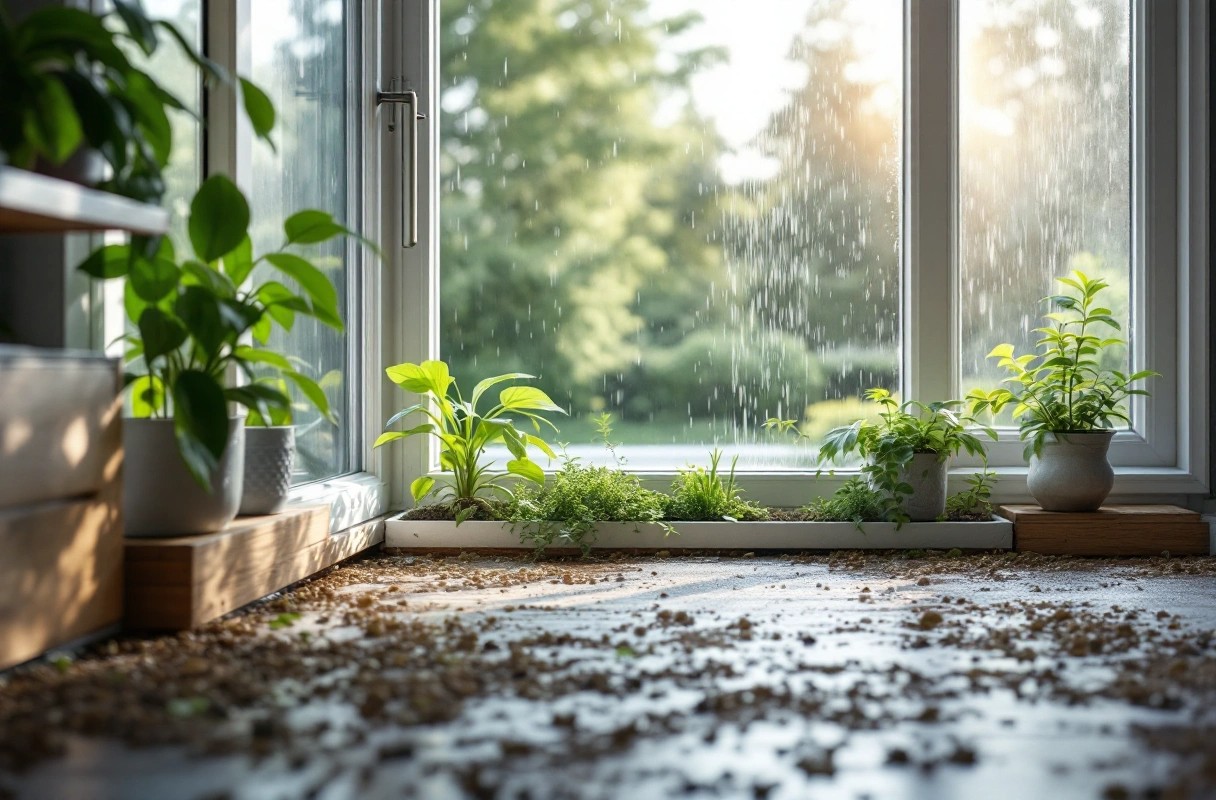
Moisture accumulation is the primary catalyst for mildew growth in rental properties. Common areas where moisture tends to gather include bathrooms, kitchens, and basements. These spaces often experience high humidity levels due to cooking, bathing, and insufficient ventilation. Additionally, leaks from plumbing fixtures, roofs, or windows can introduce unwanted moisture into the home.
Seasonal factors also contribute to increased humidity levels in Tacoma rentals. During the rainy season, which typically occurs from late fall to early spring, exterior water intrusion can become a significant issue. Landlords must be proactive in identifying and addressing these moisture sources to mitigate the risk of mildew growth. Effective moisture control in rentals involves regular inspections and maintenance to ensure that potential problem areas are managed before they become larger issues.
Effective Best Practices for Landlords
Landlords play a crucial role in preventing mildew growth through proactive property management. Regular inspections are essential to identify signs of moisture accumulation and mildew presence. This includes checking for leaks, ensuring proper ventilation, and assessing the condition of gutters and downspouts, which can direct water away from the foundation.
Implementing a seasonal maintenance checklist can further enhance mildew prevention efforts. This checklist should include tasks such as cleaning gutters, inspecting roof conditions, and testing dehumidifiers. Educating tenants about reporting leaks and maintaining proper ventilation can also empower them to contribute to mildew prevention. By adopting these best practices, landlords can create an environment less conducive to mildew growth while protecting their investments.
Mildew Removal Solutions for Tacoma Rentals
When mildew is detected, prompt action is necessary to prevent its spread. Effective cleaning agents for mildew removal include a mixture of water and vinegar or specialized mildew removers available in stores. For minor cases, scrubbing affected areas with a brush and applying these solutions can yield positive results. It is important to wear protective gear, such as gloves and masks, to avoid exposure during cleaning.
In more severe cases, especially if the mildew has penetrated materials like drywall or carpet, seeking professional help may be required. Professionals can assess the extent of the damage and recommend appropriate remediation strategies. Understanding when to escalate from DIY methods to professional assistance is vital for maintaining the integrity of the property and ensuring tenant safety.
Enhancing Indoor Air Quality for Tenant Health
Improving indoor air quality is essential for tenant health and can help mitigate the risks associated with mildew. Strategies to enhance ventilation include installing exhaust fans in bathrooms and kitchens, opening windows when weather permits, and ensuring that air vents are unobstructed. These measures promote air circulation and help lower humidity levels.
Dehumidifiers are also effective tools for controlling moisture in rental properties. They work by extracting excess moisture from the air, making it less conducive to mildew growth. Additionally, air purifiers equipped with HEPA filters can help reduce airborne spores and allergens, further improving indoor air quality in Tacoma rentals. By prioritizing these strategies, landlords can create healthier living conditions that support tenant well-being.
The Year-Round Approach to Mildew Prevention in Tacoma Rentals
The strategies outlined in this article highlight the importance of proactive maintenance and tenant education in mildew prevention. By understanding the sources of moisture, implementing best practices for property management, and utilizing effective mildew removal solutions, landlords can protect their properties and ensure the health of their tenants.
At RentalRiff, we recognize the challenges independent landlords face in maintaining their rental properties while ensuring tenant satisfaction. Our resources and support services can help you implement these mildew prevention strategies effectively. For more information on how we can assist you with property management and maintenance, reach out to us. Together, we can create safer, healthier rental environments for everyone involved.