

Managing septic systems is crucial for rental property owners to ensure tenant satisfaction and environmental compliance. A well-maintained septic system not only prolongs the life of the infrastructure but also enhances the overall living experience for tenants. This article will guide you through effective strategies for managing septic systems in rental properties, covering maintenance, inspections, and landlord responsibilities.
The Importance of Regular Septic System Maintenance
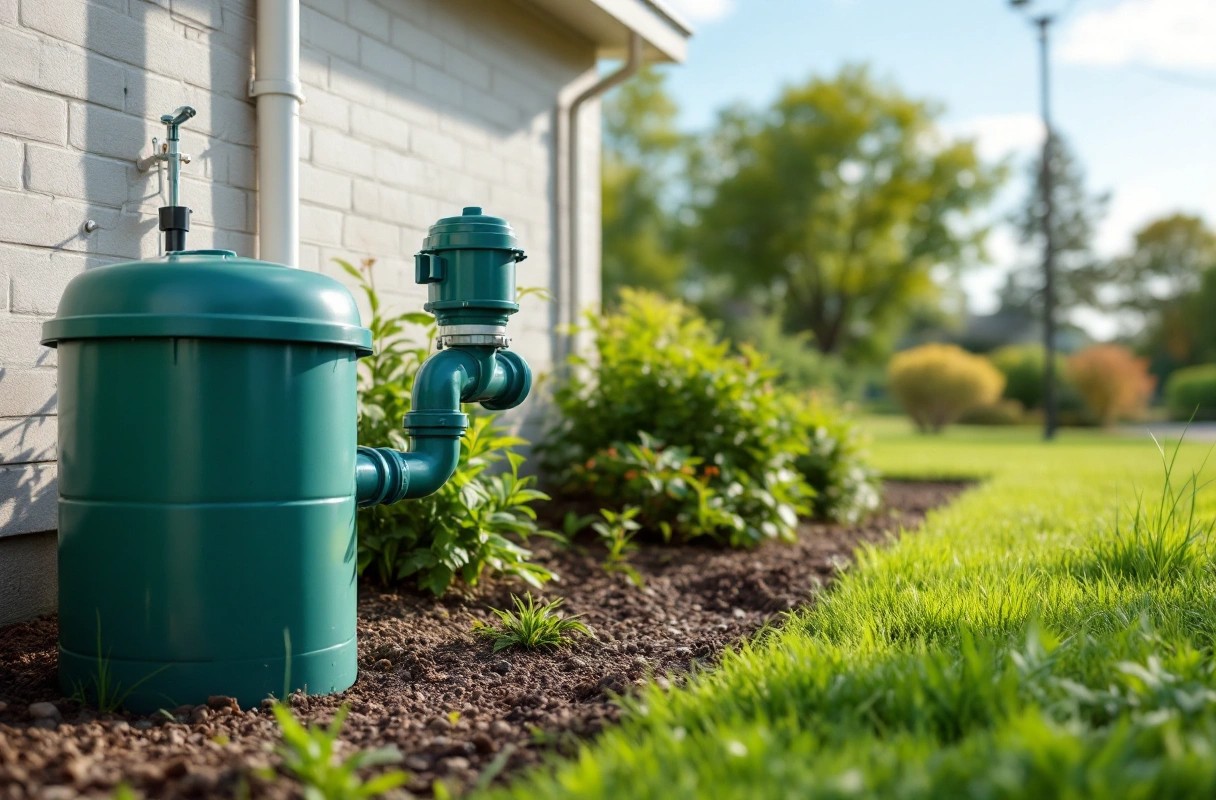
Regular septic system maintenance is essential for preventing costly repairs and ensuring a reliable system for tenants. Routine checks, including pumping and inspecting the tank, can help identify potential problems before they escalate into significant issues. According to the Environmental Protection Agency, septic systems should be inspected at least every three years, and tanks should be pumped every three to five years, depending on usage. Neglecting these tasks can lead to system failure, resulting in expensive repairs that could have been avoided.
Tenant satisfaction is directly linked to the functionality of the septic system. A well-maintained system minimizes the risk of backups, foul odors, and other inconveniences that can lead to tenant complaints. By committing to regular septic system maintenance, landlords demonstrate their responsibility and dedication to providing a safe and pleasant living environment. This proactive approach not only fosters good tenant relationships but can also reduce turnover rates, saving landlords time and money in the long run.
Understanding Landlord Responsibilities in Septic Management

Landlords have specific legal obligations regarding the management of septic systems. These responsibilities can vary by state and locality, but generally include ensuring that the system is functioning correctly and complying with local health regulations. Failing to meet these obligations can result in legal consequences and financial penalties. It is essential for landlords to familiarize themselves with local septic system regulations to avoid potential pitfalls.
In addition to legal compliance, landlords must also maintain clear records of maintenance and inspections. Keeping detailed documentation can protect landlords in the event of disputes with tenants or regulatory agencies. By understanding and fulfilling their responsibilities, landlords can ensure their properties remain compliant and safe for tenants, ultimately protecting their investments.
Effective Communication With Tenants About Septic Systems
Educating tenants on the proper usage of septic systems is a key aspect of effective property management. Landlords should provide tenants with clear guidelines on what can and cannot be disposed of through the system. For instance, items like grease, sanitary products, and non-biodegradable materials can cause significant damage and should never be flushed. Providing this information upfront can prevent misunderstandings and issues down the line.
Addressing tenant concerns promptly is another important aspect of communication. If tenants report issues related to the septic system, landlords should respond quickly to investigate and resolve the problem. Open lines of communication can foster trust and confidence between landlords and tenants, creating a more harmonious living environment. By prioritizing tenant communication regarding septic systems, landlords can mitigate risks and enhance tenant satisfaction.
The Role of Septic Tank Inspections in Property Management
Septic tank inspections are a critical component of effective property management. Regular inspections can identify potential issues before they escalate, allowing for timely repairs and maintenance. Certified inspectors have the expertise to assess the system's condition, ensuring it operates efficiently and meets local regulations. By investing in professional inspections, landlords can avoid costly emergencies and maintain the system's integrity.
The importance of hiring certified inspectors cannot be overstated. These professionals have the training and experience necessary to identify problems that may not be apparent to the untrained eye. Additionally, many local regulations require inspections to be performed by licensed professionals to ensure compliance. By adhering to these guidelines, landlords not only protect their property but also safeguard their tenants' health and well-being.
Preparing for Emergencies With Your Septic System
Developing a response plan for septic failures is essential for landlords managing rental properties. Emergencies can happen, and having a clear plan in place can help mitigate the impact on tenants and property. This plan should include contact information for emergency septic services, as well as steps to take in the event of a system failure, such as shutting off water supply and notifying tenants of the situation.
Understanding when to call emergency services is also vital. Signs of septic system failure can include sewage backups, foul odors, and slow drainage. Landlords should be aware of these indicators and take immediate action to prevent further damage. By preparing for emergencies and knowing when to seek professional help, landlords can protect their investments and ensure tenant safety.
Understanding the Financial Aspects of Septic Systems
The cost of repairs and maintenance for septic systems can vary significantly based on factors such as system size, age, and condition. Routine maintenance, including pumping and inspections, is a necessary expense that should be factored into the overall property management budget. Failing to allocate funds for septic system upkeep can lead to unexpected financial burdens when emergencies arise.
Budgeting for unexpected septic issues is equally important. Landlords should set aside a contingency fund to cover emergency repairs, which can often be costly. For instance, a septic system failure can result in repair costs ranging from a few hundred to several thousand dollars, depending on the severity of the issue. By being financially prepared, landlords can navigate the challenges of septic system management more effectively.
The Intersection of Septic Management and Rental Property Success
Managing septic systems in rental properties is a multifaceted responsibility that requires attention to maintenance, communication, and financial planning. Landlords who prioritize regular maintenance and inspections not only protect their investments but also enhance tenant satisfaction and compliance with local regulations. Effective communication with tenants can prevent misunderstandings and foster a positive living environment, while preparedness for emergencies can safeguard against costly repairs.
At RentalRiff, we understand the unique challenges faced by independent landlords and small portfolio property owners. We offer support and resources to help you manage your properties efficiently and effectively.