
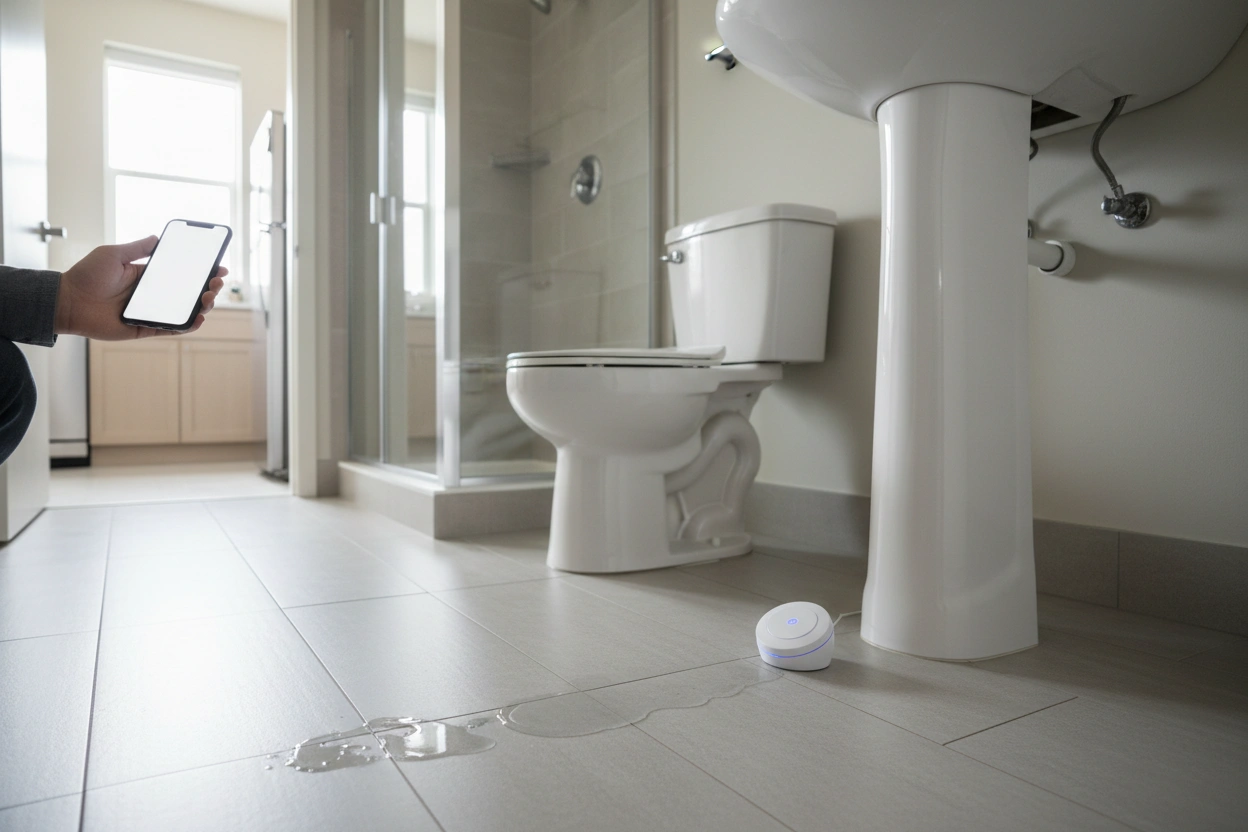
IoT leak detectors are worth installing in every rental unit. They detect moisture within seconds, sending real-time alerts before minor leaks escalate into costly damage. A $150 repair left undetected can spiral into $10,000+ in remediation costs, plus potential mold liability. At $15–$60 per device with minimal upkeep, the math strongly favors installation. Keep going to see exactly how these devices work, what they cost, and which units need them most.
Key Takeaways
- IoT leak detectors cost $15–$60 per device, far less than the $10,000+ remediation costs from undetected water damage.
- Sensors detect moisture within seconds, sending real-time smartphone alerts to enable immediate action before damage escalates.
- Units with aging plumbing, basement locations, or mold-prone environments benefit most from prioritized leak detector installation.
- Hidden moisture triggers mold growth within 24–48 hours, and insurance may deny negligence-related claims without proactive detection measures.
- Not every unit carries equal risk, but multi-family buildings benefit from full coverage to prevent water damage from spreading.
What IoT Leak Detectors Actually Do in a Rental
A small sensor placed near a water source can detect moisture within seconds and send an alert to your phone before a drip becomes a flood. These devices use smart technology to monitor humidity levels, temperature shifts, and direct water contact continuously.
When the sensor triggers, you receive real-time push notifications through a connected app, allowing you to act fast and dispatch a repair before structural damage sets in.
Most units log historical data, giving you measurable insight into recurring moisture patterns across your property.
Beyond protecting your investment, these sensors directly support tenant safety by reducing exposure to mold growth and water-related hazards. They typically run on long-life batteries, require no hardwiring, and integrate with existing smart home platforms you may already use.
Additionally, the implementation of IoT leak detectors can enhance tenant satisfaction by proactively addressing maintenance issues before they escalate.
The Real Cost of Undetected Water Damage
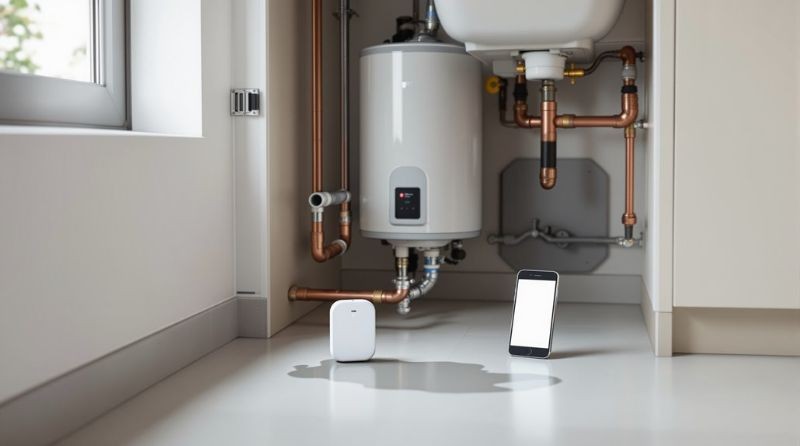
When a slow leak goes undetected for weeks, water migrates far beyond the source—saturating subfloor materials, compromising structural framing, and triggering mold growth within 24 to 48 hours of moisture exposure.
What starts as a $150 supply line fix can rapidly escalate into a $10,000+ remediation project once drywall removal, mold treatment, and subfloor replacement enter the equation.
You're not just paying for repairs; you're absorbing tenant displacement costs, lost rental income, and potential liability if habitability standards are breached. Additionally, common molds such as Aspergillus can pose serious health risks, making early detection even more critical.
Hidden Damage Accumulates Fast
Water damage is deceptively cheap at first—until it isn't. Hidden moisture behind walls or under flooring can go undetected for weeks, allowing mold colonies to establish within 24–48 hours of saturation.
What starts as a $200 supply line drip quietly becomes a $15,000–$30,000 remediation project once drywall, insulation, and subfloor replacement enter the equation.
Insurance won't always save you either. Many policies exclude mold-related claims or cap payouts when negligence is implied—and delayed detection looks a lot like negligence.
You're also absorbing vacancy costs during repairs, contractor markups, and potential tenant displacement liability.
Preventive measures cost a fraction of reactive repairs. Installing IoT leak detectors gives you real-time alerts before hidden moisture compounds into structural or financial damage you can't easily recover from.
Repair Costs Spiral Quickly
The financial math behind undetected water damage is brutal and compounds fast. A slow leak ignored for weeks doesn't produce a single repair bill—it produces several:
- Structural remediation: $5,000–$15,000 for subfloor, drywall, or framing replacement
- Mold abatement: $3,000–$10,000 depending on spread and material penetration
- Tenant displacement costs: temporary housing, lost rent, and potential legal exposure
Insurance savings from preventative measures are real, but only if you demonstrate proactive risk management. Some insurers reduce premiums when IoT leak detection is installed and documented.
Without it, repeated water damage claims can trigger policy cancellations or surcharge riders. IoT sensors typically cost $30–$80 per unit—a fraction of one remediation event. The numbers make the decision straightforward.
How Much Does It Cost to Install Leak Detectors?
Installing IoT leak detectors in a rental unit typically costs between $15 and $60 per device, depending on the sensor's features, connectivity type, and brand.
Wi-Fi-enabled models with smartphone alerts and multi-sensor arrays sit at the higher end, while basic Bluetooth or standalone units cost less upfront.
Installation expenses remain minimal since most sensors require no hardwiring—you simply place them near appliances, under sinks, or behind toilets.
If you're outfitting a multi-unit property, bulk purchasing reduces per-unit costs considerably.
Factor in device maintenance when calculating long-term spend.
Battery-powered sensors need replacement cells every one to two years, typically costing $2–$5 per device annually.
Subscription-based monitoring plans, if required, add $3–$10 per month.
Even at the high end, total annual costs stay well below the average water damage claim. Additionally, implementing a long-term maintenance plan can significantly enhance property value and tenant satisfaction.
Which Rental Units Benefit Most From Leak Detectors?
Once you've mapped out installation costs, the next step is identifying where sensors deliver the highest return. Not every unit carries equal water damage risk, so prioritizing high-risk properties maximizes your ROI.
Focus deployment on these unit types:
- Units with aging plumbing — Pre-1980s construction increases pipe failure probability considerably.
- Ground-floor and basement units — These face higher exposure to groundwater intrusion and appliance leaks.
- Units with older tenant demographics — Long-term or elderly tenants may notice and report leaks more slowly, extending damage windows.
Multi-family buildings also warrant full coverage since one unit's leak migrates quickly to adjacent spaces. Moreover, properties in regions prone to mold growth must be prioritized, as moisture issues can escalate quickly.
If your property falls into multiple categories, sensors aren't optional—they're a data-backed protective measure against costly, preventable water damage claims.
What to Look for in a Rental Property Leak Detector?
Choosing the right leak detector comes down to four core specs: detection sensitivity, connectivity, battery life, and alert latency.
For features comparison, prioritize sensors with sub-2-minute alert latency, Z-Wave or Wi-Fi connectivity, and a minimum 1-year battery life. Models like the Govee Water Sensor or Phyn Plus offer solid data logging and app integration.
Look for units with 90dB+ audible alarms alongside push notifications—dual alerts reduce response lag considerably.
For installation tips, place sensors directly on the floor within 6 inches of water heaters, supply lines, and appliances. Avoid elevated surfaces; water pools before rising.
Choose peel-and-stick or magnetic-mount options for tenant-friendly, damage-free installation. Waterproof housing rated IPX5 or higher guarantees the sensor itself survives the leak it's detecting. Furthermore, understanding moisture management techniques is crucial for maintaining a healthy rental property environment.
Who Handles Alerts When a Leak Is Detected?
Getting the right sensor in place is only half the equation—alert routing determines whether a detected leak triggers a fast response or sits unnoticed for hours.
Effective alert management requires a defined escalation path before a leak ever occurs.
A typical response chain looks like this:
- The sensor triggers a real-time notification to your monitoring platform or app.
- Your designated contact—whether you, a property specialist, or both—receives an immediate alert.
- Tenant communication is initiated to confirm access and coordinate mitigation.
Without this structure, alerts fall through the cracks.
RentalRiff's dedicated property specialists handle this escalation directly, ensuring every detected leak moves from notification to action quickly—reducing water damage exposure and keeping tenants informed throughout the process. This level of responsiveness aligns with the increasing demand for 24/7 customer service in modern tenancy.
Frequently Asked Questions
Can Iot Leak Detectors Lower My Rental Property Insurance Premiums?
They can. IoT leak detectors support risk mitigation by catching water damage early, and many insurers reward that with insurance savings—typically 5–15% off premiums. Check directly with your provider for qualifying smart-device discounts.
Do Tenants Have Any Responsibility for Maintaining Leak Detectors?
Tenants typically share maintenance responsibilities by keeping detectors unobstructed and reporting alerts promptly. You should outline tenant obligations clearly in your lease agreement to guarantee accountability and protect your property from water damage liability.
Are Leak Detectors Required by Law in Rental Properties?
Leak detectors aren't universally required by law, but you should check your local regulations, as legal requirements and tenant rights laws vary by jurisdiction—especially across RentalRiff's markets like Seattle, Portland, and Denver.
Can Leak Detectors Work in Properties With Poor Wi-Fi Connectivity?
Yes, they can! You've got Wi-Fi alternatives like Z-Wave or Zigbee-based detectors that don't rely on strong connectivity. You can also deploy signal boosters to extend coverage and guarantee reliable leak alerts throughout your property.
Will Installing Leak Detectors Increase My Rental Property's Market Value?
Leak detectors won't directly increase appraised market value, but they'll boost your property appeal by signaling proactive tenant safety measures, potentially reducing vacancy rates and attracting higher-quality, long-term tenants who prioritize well-maintained, tech-forward rentals.
Conclusion
You're not just buying a sensor — you're buying early warning infrastructure for your investment. At $20–$100 per device, IoT leak detectors cost a fraction of the $10,000+ average water damage claim. Deploy them strategically in high-risk units first, establish a clear alert-response protocol, and you'll cut both repair costs and tenant turnover. The data's straightforward: prevention consistently outperforms remediation.