

Portland is famous for its lush greenery and iconic rainy season, but that same moisture can be a silent enemy for your brick properties. While brick is prized for its durability and classic aesthetic, its porous nature makes it vulnerable to the relentless Pacific Northwest dampness. We are going to explore the essential steps to waterproofing your masonry, ensuring your investment stays dry, structurally sound, and visually striking for decades to come.
The Science of Water and Masonry in the Pacific Northwest
Brick is often perceived as a solid, impenetrable barrier, but it actually functions more like a hard sponge. It contains thousands of microscopic pores that can pull moisture deep into the wall through capillary action. In a climate like Portland’s, where the rain can persist for days at a time, bricks rarely have the chance to fully dry out during the winter months. This constant state of saturation leads to a host of problems that go far beyond simple dampness.
When water remains trapped inside the brick and the temperature drops, the freeze-thaw cycle begins. As water turns to ice, it expands, putting immense internal pressure on the brick’s structure. This eventually causes the face of the brick to flake off, a process known as spalling. Additionally, moisture provides the perfect breeding ground for moss, algae, and mold, which not only look unsightly but can further trap water against the surface. Understanding this biological and physical interaction is the first step in developing a defense strategy for your property.
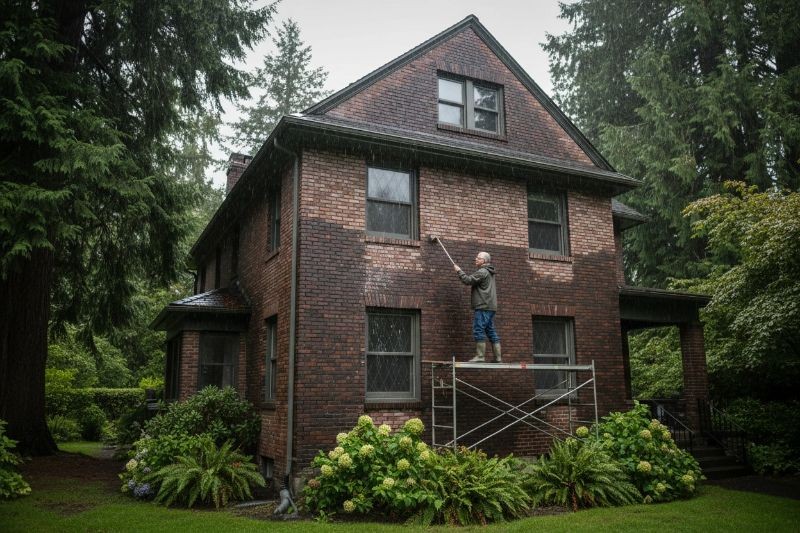
Common Signs of Moisture Intrusion
- Efflorescence: This is the white, powdery salt residue that appears on the surface of bricks when water evaporates and leaves minerals behind.
- Spalling: Look for areas where the brick face is crumbling, pitting, or falling off in thin layers.
- Damp Interior Walls: If you notice peeling paint or a musty smell inside the building, water is likely migrating through the exterior masonry.
- Discolored Mortar: Mortar joints that stay dark long after the rain stops or show signs of soft, sandy erosion are failing to repel water.
Choosing the Right Waterproofing Sealant
Not all sealants are created equal, and choosing the wrong one can actually do more harm than good. In the past, many people used "film-forming" sealers that created a plastic-like coating over the brick. The problem with these products is that they trap moisture inside the wall. If any water gets behind the sealer, it cannot evaporate, leading to rapid rot and structural failure. For Portland properties, you must use a "breathable" penetrating sealer.
These modern sealers, often silane or siloxane-based, do not sit on top of the brick. Instead, they penetrate deep into the pores and chemically bond with the masonry. This creates a hydrophobic barrier that repels liquid water while still allowing water vapor to escape from the inside. It is essentially like a high-tech rain jacket for your building. When applied correctly, these products are invisible and do not change the color or texture of the brick, preserving the historical character of the home while providing heavy-duty protection.
Evaluating Sealer Types
- Siloxanes: These have larger molecules and are excellent for porous brick, offering deep penetration and a long service life.
- Silanes: With smaller molecules, these are better for denser masonry or stone that might not absorb larger particles.
- Breathability Rating: Always check the product specifications to ensure it allows for 100 percent vapor transmission.
- UV Resistance: Since Portland does get intense sun in the summer, ensure the sealer won’t break down under ultraviolet exposure.
Preparation: The Foundation of a Successful Seal
You cannot simply spray a sealer onto a dirty or damaged wall and expect it to work. Proper preparation is roughly 80 percent of the job. The brick must be thoroughly cleaned to remove dirt, atmospheric pollutants, and any existing biological growth like moss or lichen. Using a gentle pressure wash is usually sufficient, but you must be careful not to use too much force, which can blast away the protective "fire skin" of older bricks or damage the mortar.
Once the wall is clean, it must be allowed to dry completely. Applying sealer to a damp brick will prevent the chemical bond from forming, rendering the product useless. This often means waiting for a window of three to four dry days in the late spring or early fall. During this time, you should also inspect the mortar joints. If the mortar is crumbling or missing, you must perform "repointing"—the process of removing the old mortar and replacing it with fresh material—before applying the waterproof coating.
Pre-Sealing Checklist
- Biological Removal: Use a specialized masonry cleaner to kill mold spores so they don’t grow under the sealer.
- Crack Repair: Fill any cracks larger than a hairline with matching mortar or a breathable masonry caulk.
- Dry Time: Ensure the brick has had at least 48 to 72 hours of dry weather before application.
- Protection: Cover nearby windows, plants, and vehicles, as masonry sealers can be difficult to remove from glass and paint.
Professional Application Techniques
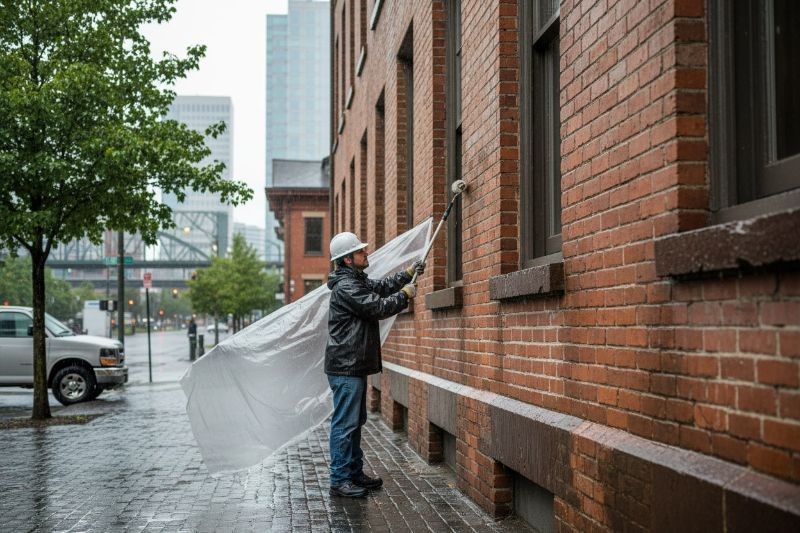
While many landlords consider waterproofing a weekend DIY project, the scale of multi-unit properties usually requires a more systematic approach. To get even coverage, it is best to use a low-pressure professional sprayer. The goal is to apply the sealer until the wall is saturated, usually working from the bottom up. You want to see a "rundown" of about six to eight inches as you move across the surface.
In some cases, a second coat is necessary, but it must be applied "wet-on-wet." This means the second coat goes on before the first one has completely dried. If you wait too long, the first coat will repel the second one, leading to uneven protection. This level of technical detail is why many owners prefer to have their preventative maintenance and turnovers handled by specialists who understand the nuances of building materials. RentalRiff provides access to these types of licensed and insured specialists, ensuring that high-stakes maintenance tasks are done right the first time.
Long-Term Masonry Maintenance and Monitoring
Waterproofing is not a "one and done" solution. Even the best penetrating sealers will eventually break down after five to ten years of Portland rain. A smart property owner integrates masonry inspections into their annual property upkeep checklist. Every autumn, before the heavy rains arrive, you should walk the perimeter of your building and look for areas where water is no longer "beading" on the surface.
Pay special attention to the areas around windows, doors, and the roofline. These are common entry points for moisture. Ensuring your gutters are clean and downspouts are directing water far away from the foundation will also take the pressure off your brickwork. By maintaining this proactive stance, you prevent the need for expensive structural repairs later. Handling these minor upkeep tasks and managing tenant support and communication regarding building issues is a core part of what RentalRiff offers to help independent landlords keep their costs low.
Sustaining Your Brick’s Integrity
- Annual Inspections: Check for new cracks or signs of moisture every fall.
- Gutter Maintenance: Overflowing gutters are the number one cause of masonry damage in Portland.
- Vegetation Management: Keep ivy and heavy bushes away from the brick to allow for proper airflow and drying.
- Record Keeping: Track when sealants were applied and which products were used to ensure consistent re-application in the future.
Safeguarding Your Property’s Future
Investing in the exterior health of your brick property is one of the most effective ways to ensure its long-term value. In a city like Portland, where water is the primary cause of building degradation, a proactive waterproofing strategy pays for itself many times over in avoided repair costs. By choosing the right materials, preparing the surface meticulously, and maintaining a consistent inspection schedule, you protect not just the bricks, but the entire structural integrity of your rental. Staying ahead of the weather is the hallmark of a successful landlord who values both their property and their peace of mind.