
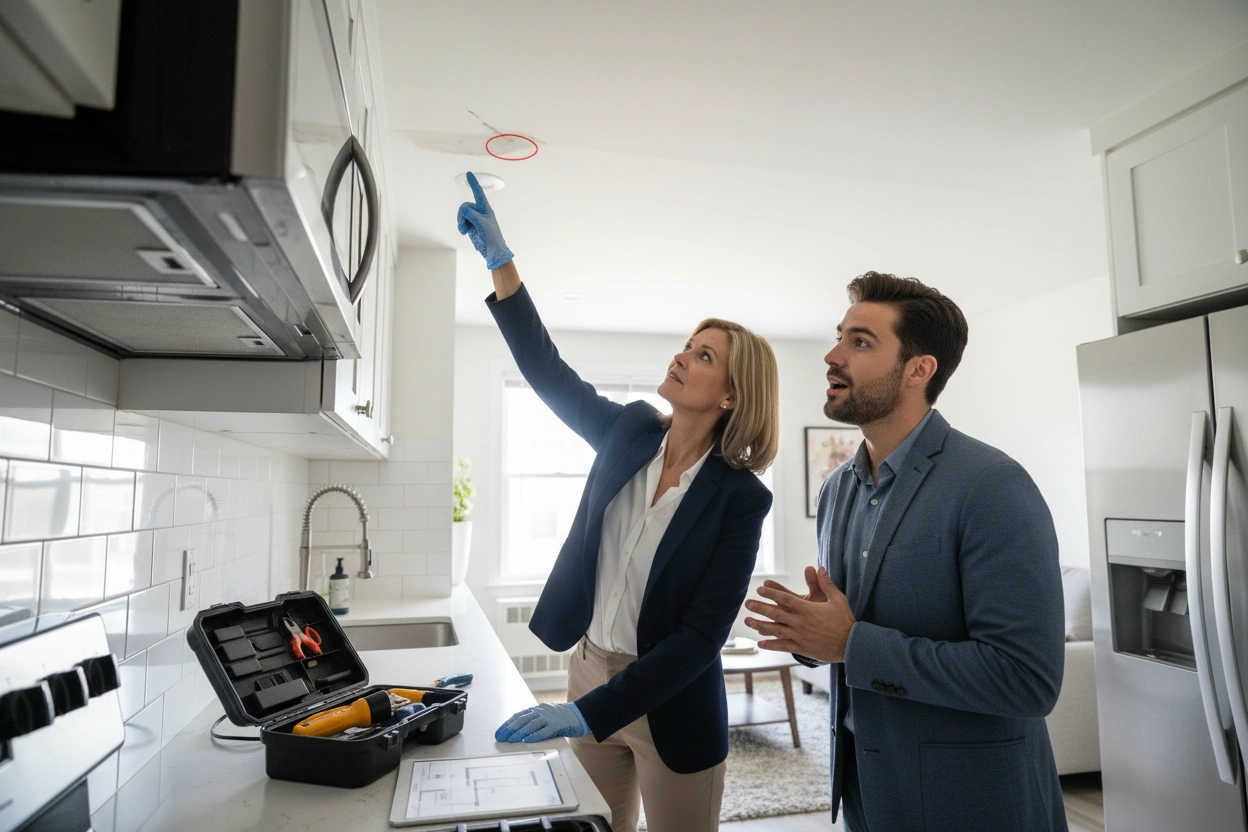
To spot maintenance issues before tenants submit a request, you can't wait for problems to announce themselves. Schedule seasonal walkthroughs and inspect high-risk areas like cabinet bases, caulk lines, and baseboards for early signs of moisture or wear. Pay attention to small tenant complaints — they often signal bigger underlying issues. Proactive inspections protect your investment and reduce costly emergency repairs. Keep going and you'll discover exactly where most landlords miss the warning signs.
Key Takeaways
- Conduct seasonal inspections using checklists to identify vulnerabilities in roofing, HVAC, gutters, and plumbing before small issues escalate.
- Check cabinet bases under sinks for soft wood or warping, which signals hidden water damage tenants may overlook.
- Feel baseboards for soft spots and inspect caulk lines for cracking, as both indicate moisture intrusion and potential mold growth.
- Look for condensation staining in window corners and dust buildup around HVAC vents, revealing seal failures and filter neglect.
- Inspect crawl spaces and attic venting regularly, as deferred maintenance in overlooked areas can lead to costly, avoidable repairs.
Why Maintenance Problems Escalate Before Tenants Ever Say a Word
Most maintenance problems don't start with a dramatic failure—they start with a slow leak, a subtle crack, or a draft that tenants figure they'll "just deal with."
By the time a repair request lands in your inbox, the underlying issue has often been quietly worsening for weeks or months.
Tenant psychology plays a significant role here. Many renters hesitate to report problems, fearing they'll seem demanding or trigger an inconvenient repair visit.
Others simply normalize minor issues until they become impossible to ignore. That delay costs you money.
Building strong maintenance awareness means you can't rely solely on tenants to flag problems.
You need systems and regular inspections that catch deterioration early—before a dripping faucet becomes water damage and a minor fix becomes a major expense.
What Tenant Complaints Actually Reveal About Your Property's Condition
When a tenant complains about a running toilet or a sticky door, they're rarely just reporting a single inconvenience—they're giving you a window into your property's broader condition.
Treat every complaint as a diagnostic tool. A running toilet signals water pressure or valve wear. A sticky door often points to foundation settling or moisture intrusion. These tenant insights expose patterns that routine visual checks might miss entirely.
Property health rarely deteriorates all at once—it degrades in connected, incremental ways. One complaint frequently precedes several others.
When you learn to read between the lines of what tenants report, you stop reacting and start anticipating. That shift protects your investment, reduces costly repairs, and keeps tenants satisfied long before small problems become serious ones.
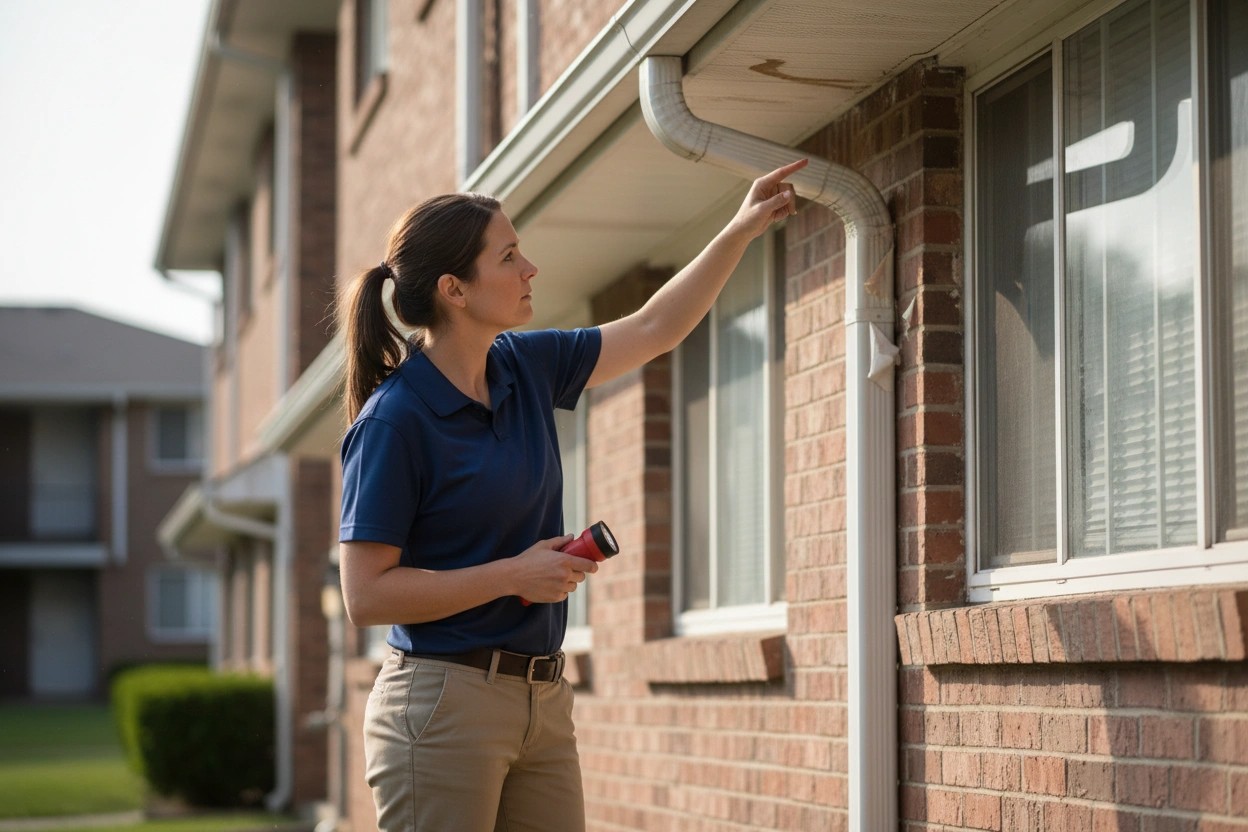
The Seasonal Maintenance Checklist That Prevents Costly Repairs
Tenant complaints tell you what's already broken—a seasonal maintenance checklist tells you what's about to break. Seasonal inspections give you a structured opportunity to catch vulnerabilities before they escalate into emergencies.
In spring, check roof drainage, HVAC filters, and foundation grading. Summer demands attention to cooling systems, exterior caulking, and pest entry points. Fall is your window for furnace servicing, gutter clearing, and weatherstripping. Winter requires monitoring pipe insulation, water heaters, and ice damming risks.
These preventative strategies dramatically reduce reactive repair costs and protect your tenant relationships. Each season presents distinct failure points—addressing them on a schedule keeps small issues from compounding. A checklist isn't optional maintenance; it's disciplined ownership.
RentalRiff's property specialists can execute these inspections so nothing slips through the cracks.
The Walkthrough Red Flags Most Landlords Walk Right Past
A walkthrough only protects you if you know what to look for. Most landlords scan surfaces and move on, but hidden damage rarely announces itself. Train your eye on visual clues that signal deeper problems.
Check cabinet bases under sinks for soft wood or warping—that's a slow leak working against you.
Look at caulk lines in bathrooms and kitchens for cracking or discoloration, which invites mold.
Inspect window corners for condensation staining, a sign of failed seals.
Feel along baseboards for soft spots that suggest moisture intrusion behind walls.
Notice HVAC vents for dust buildup, which points to filter neglect.
These aren't cosmetic concerns. They're early warnings. Catching them during a walkthrough keeps small issues from becoming expensive repair calls.
Crawl Spaces, HVAC Filters, and the Spots Your Inspection Always Skips
Most inspections cover what's visible, but the spaces no one checks are where your biggest repair bills start.
Crawl space inspections reveal moisture intrusion, pest activity, and foundation concerns long before they surface inside the home. Skip that space, and you're ignoring one of the most expensive blind spots on your property.
HVAC maintenance follows the same logic. A clogged filter strains the system, drives up energy costs, and shortens equipment life — yet it's routinely overlooked between tenants.
Also check attic venting, water heater connections, and the area around your sump pump if you have one.
These aren't glamorous items, but they're where deferred maintenance quietly compounds. Staying ahead of these spots protects your investment and keeps tenants from submitting emergency requests you didn't see coming.
When to Call a Property Specialist Instead of Waiting It Out
Knowing when to call a property specialist isn't always obvious, but waiting too long almost always costs more than acting early. If you notice water stains, soft flooring, unusual odors, or flickering electrical—don't wait for a tenant complaint. These aren't minor inconveniences; they're signals of deeper problems that escalate fast.
Urgent repairs like burst pipes, HVAC failures, or roof leaks require immediate action. Delaying even 24 hours can turn a manageable fix into a costly restoration project.
Proactive inspections help you catch issues before they reach that critical point, but your instincts matter too. If something looks wrong, it probably is.
Calling a property specialist early keeps repair costs lower, protects your asset, and shows tenants you take their home seriously.
Frequently Asked Questions
How Often Should Landlords Schedule Proactive Inspections Between Tenant Walkthroughs?
You should schedule proactive inspections every three to six months. This frequency keeps you ahead of costly repairs and strengthens tenant communication by showing renters you're actively maintaining their home before issues arise.
Can Tenant Maintenance Request History Predict Future Property Problems?
Yes, you can use tenant behavior and request patterns to predict future issues. Recurring complaints about plumbing or HVAC signal deeper problems, so you'll want to address them proactively before they escalate into costly repairs.
What Documentation Should Landlords Keep After Identifying and Fixing Maintenance Issues?
Keep detailed repair documentation for every fix, including dates, costs, contractor info, and photos. Your issue tracking records protect you legally, reveal recurring problems, and help RentalRiff's property specialists maintain your property proactively and cost-effectively.
How Do Landlords Spot Maintenance Issues in Multi-Unit Properties Efficiently?
Schedule routine visual inspections across all units systematically, focusing on shared spaces and high-traffic areas. You'll catch problems early by implementing preventive measures like seasonal checklists, ensuring you address issues before tenants ever notice them.
Are Landlords Legally Required to Fix Maintenance Issues Before Tenants Report Them?
You're legally obligated to uphold tenant rights by maintaining habitable conditions, regardless of whether tenants report issues. Your legal obligations require proactive repairs—don't wait for complaints to address safety, structural, or essential system problems.
Conclusion
Staying ahead of maintenance issues isn't luck — it's a system. When you inspect consistently, act on early warning signs, and partner with experienced Property Specialists, you're not just protecting your investment. You're building the kind of rental experience that keeps quality tenants in place longer. Don't wait for a complaint to tell you what a walkthrough already could. The best maintenance request is the one your tenant never had to submit.