

Protecting a rental property you can't visit often starts with building systems that work without your physical presence. You'll need remote oversight tools, a trusted local contact, and a preventative maintenance schedule to catch problems before they compound. Minor issues like moisture intrusion can escalate into structural failures fast. Clear tenant reporting protocols help, but they're not enough alone. The strategies ahead will show you exactly how to lock this system down.
Key Takeaways
- Install remote monitoring sensors to detect moisture, temperature, and security issues before they escalate into costly structural damage.
- Hire local property specialists or trusted contractors to conduct routine inspections and serve as on-the-ground eyes.
- Develop a preventative maintenance schedule covering roofing, plumbing, HVAC, and electrical systems with assigned monthly, quarterly, and annual tasks.
- Outline clear tenant reporting protocols in the lease, including easy reporting methods and specified response timeframes.
- Use standardized inspection checklists to ensure consistent, documented oversight that removes guesswork and prevents unexpected property failures.
Why Neglected Rental Properties Deteriorate Faster Than You Think
When a rental property goes without consistent upkeep, small problems compound into costly structural failures faster than most landlords anticipate.
Maintenance neglect accelerates rental depreciation by allowing minor issues—a slow leak, a cracked seal, a failing HVAC filter—to silently escalate into expensive repairs. Moisture intrudes, wood rots, pests establish entry points, and systems fail under preventable stress.
Distance compounds the risk. When you can't physically inspect the property, deterioration advances unchecked between tenant complaints.
By the time visible damage surfaces, you're often dealing with layered failures rather than isolated fixes.
Protecting your investment requires a systematic, proactive approach rather than a reactive one.
Consistent oversight, scheduled inspections, and reliable on-the-ground maintenance coverage are your primary defenses against accelerating property decline.
Spot Maintenance Problems Early With the Right Oversight Systems
Catching problems early depends entirely on the oversight systems you have in place before something goes wrong. You can't rely on tenants to report every issue promptly, so you need structured processes that surface problems independently.
Implement oversight technology like remote sensors that detect moisture, temperature fluctuations, and air quality changes before minor issues escalate into costly repairs. Pair that technology with standardized maintenance checklists completed during scheduled inspections, ensuring nothing gets overlooked between visits.
Checklists should cover roofing, plumbing, HVAC, electrical systems, and exterior conditions. When you can't visit frequently, services like RentalRiff provide local property specialists who execute these inspections systematically and report findings directly to you.
Consistent oversight transforms property protection from a reactive scramble into a disciplined, predictable process that preserves your investment.
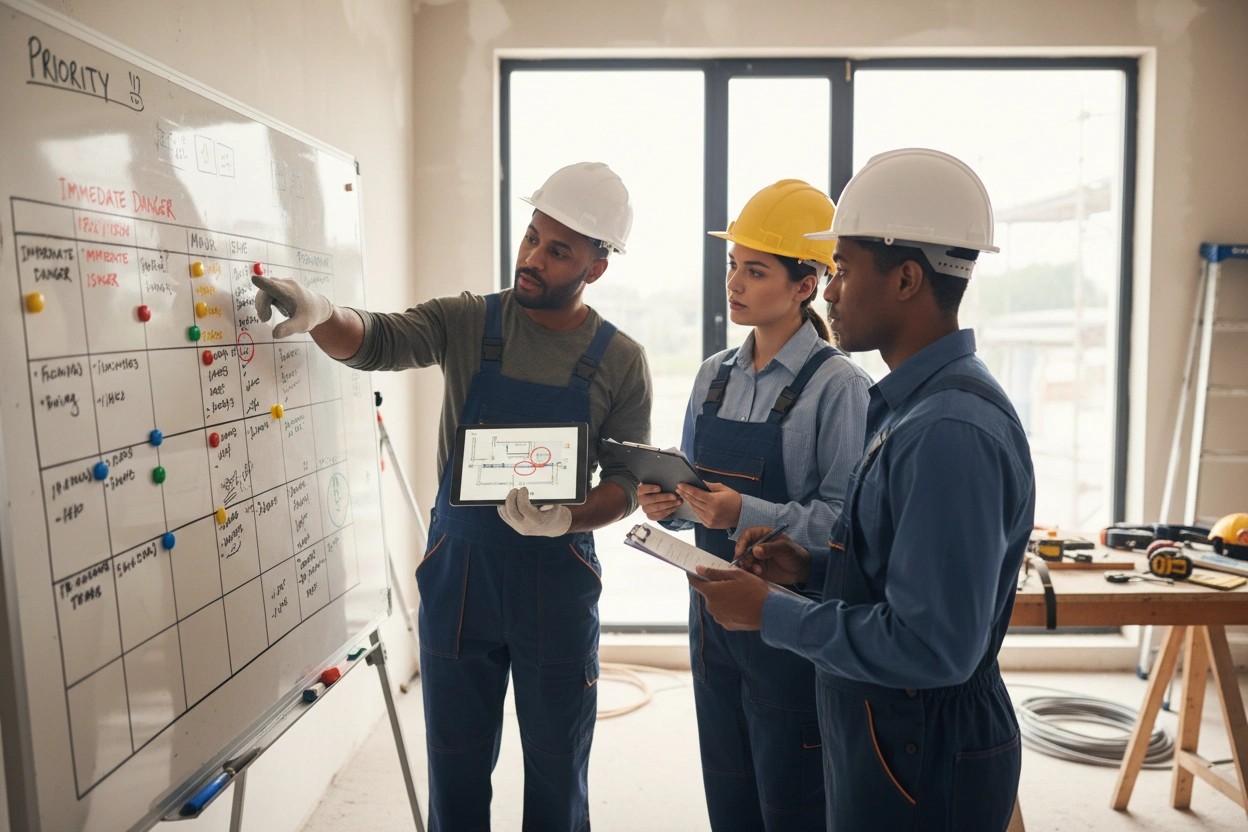
Find Someone Local to Watch Your Property When You Can't
Distance creates blind spots that tenant self-reporting alone can't fill. You need local property watchers who can identify problems before they escalate. Trusted neighbors, local contractors, or a dedicated property specialist can serve as your eyes on the ground, flagging visible issues like roof damage, overgrown landscaping, or unauthorized vehicles.
Establish a clear communication protocol with whoever you designate. Define what warrants an immediate alert versus a routine update. Without that structure, you'll receive inconsistent reports that don't support timely decisions.
Services like RentalRiff formalize this oversight by assigning licensed, insured property specialists to conduct proactive inspections and handle maintenance coordination locally.
That professional accountability removes the guesswork that comes with informal arrangements and guarantees your property receives consistent, documented attention regardless of your location.
Build a Preventative Maintenance Schedule for Your Rental Property
Having eyes on your property keeps you informed, but a structured maintenance schedule keeps your property sound. Without one, small issues compound into costly repairs that erode your returns and frustrate tenants.
Build preventative checklists that address mechanical systems, plumbing, roofing, HVAC filters, and exterior drainage. Assign each task a frequency—monthly, quarterly, or annually—and document every completed inspection.
Schedule seasonal inspections to align maintenance with weather-related demands. Pre-winter checks should confirm heating systems and pipe insulation. Spring visits should assess roof integrity and pest entry points.
If you can't conduct these inspections personally, RentalRiff's property specialists execute them on your behalf. They keep your schedule running and your documentation current, so you're never caught off guard by a failure you could've prevented.
How to Get Tenants to Report Maintenance Problems Before They Escalate
Even the most thorough maintenance schedule can't compensate for a tenant who stays silent about a dripping pipe or a failing seal. Establish clear tenant communication protocols from day one.
Outline in the lease exactly how and when tenants should report issues, and specify response timeframes so they know you take requests seriously.
Send seasonal maintenance reminders that prompt tenants to check smoke detectors, HVAC filters, and plumbing fixtures. These reminders reinforce accountability and signal that you're actively monitoring the property's condition.
Make reporting effortless. Provide a dedicated maintenance portal, email, or hotline so tenants never hesitate to flag a problem.
When tenants understand that early reporting prevents larger disruptions to their living space, they're far more likely to act quickly.
Signs It's Time to Bring In a Property Specialist
When should you stop handling maintenance yourself and bring in a professional? If your maintenance checklist is growing faster than you can resolve items, that's a clear signal.
Other signs include recurring issues like plumbing leaks or HVAC failures, tenant complaints that keep repeating, or a property assessment that reveals deferred repairs piling up.
Structural concerns, electrical problems, and code compliance issues aren't areas where you should improvise. These require licensed, insured professionals who know local regulations and can document their work properly.
RentalRiff connects you with vetted property specialists who conduct systematic assessments and follow structured maintenance protocols.
Rather than waiting for a small problem to become a costly emergency, bring in a specialist early and keep your property protected, compliant, and tenant-ready.
Frequently Asked Questions
What Insurance Coverage Do I Need for a Remotely Managed Rental Property?
You'll need liability coverage, property damage protection, and rental income insurance to safeguard your investment. These policies shield you from tenant disputes, unexpected losses, and income gaps when your property's unoccupied or undergoing repairs.
How Do I Handle Rent Collection When I Live Far From My Rental?
Use digital platforms for remote payment solutions to collect rent automatically. You'll also want clear tenant communication strategies—setting expectations upfront guarantees timely payments without requiring your physical presence near the property.
Can I Legally Manage a Rental Property From Another State or Country?
Yes, you can legally manage a rental property remotely from another state or country. However, you'll need to navigate key legal considerations, including local landlord-tenant laws, tax obligations, and licensing requirements that vary by jurisdiction.
How Do I Screen Tenants Effectively When I Cannot Meet Them in Person?
You'll screen tenants effectively by running thorough tenant background checks, verifying rental references, and using digital lease agreements. Apply consistent communication strategies through video calls and online platforms to evaluate applicants systematically, ensuring regulatory compliance throughout.
What Technology Tools Help Monitor a Rental Property From a Distance?
You can use smart home devices like connected thermostats and leak sensors alongside remote surveillance cameras to actively monitor your property's condition. RentalRiff's property specialists can also complement these tools by conducting systematic, proactive on-site inspections regularly.
Conclusion
You don't need to be on-site to protect your investment. By establishing the right systems, scheduling preventative maintenance, and partnering with trusted local specialists like those through RentalRiff, you'll catch problems early and keep your property performing at its best. Don't wait for a small issue to become a costly repair. Start building your remote property management framework today, and secure your rental's long-term value.