

As spring approaches in Denver, melting snow can lead to unexpected water issues around your rental properties. The transition from winter to spring is often marked by warm days that cause snow to melt rapidly, resulting in excess water that can pool around homes. This not only poses risks for property damage but can also affect tenant satisfaction, leading to potential complaints or even turnover. Understanding how to manage this seasonal challenge is essential for maintaining the integrity and value of your rental properties.
In this article, we will explore effective strategies to prevent water pooling around rentals during the Denver spring melt, ensuring your property remains in top condition. By implementing the right maintenance practices and drainage solutions, you can safeguard your investment and enhance the living experience for your tenants.
The Importance of Addressing Snowmelt Water Issues
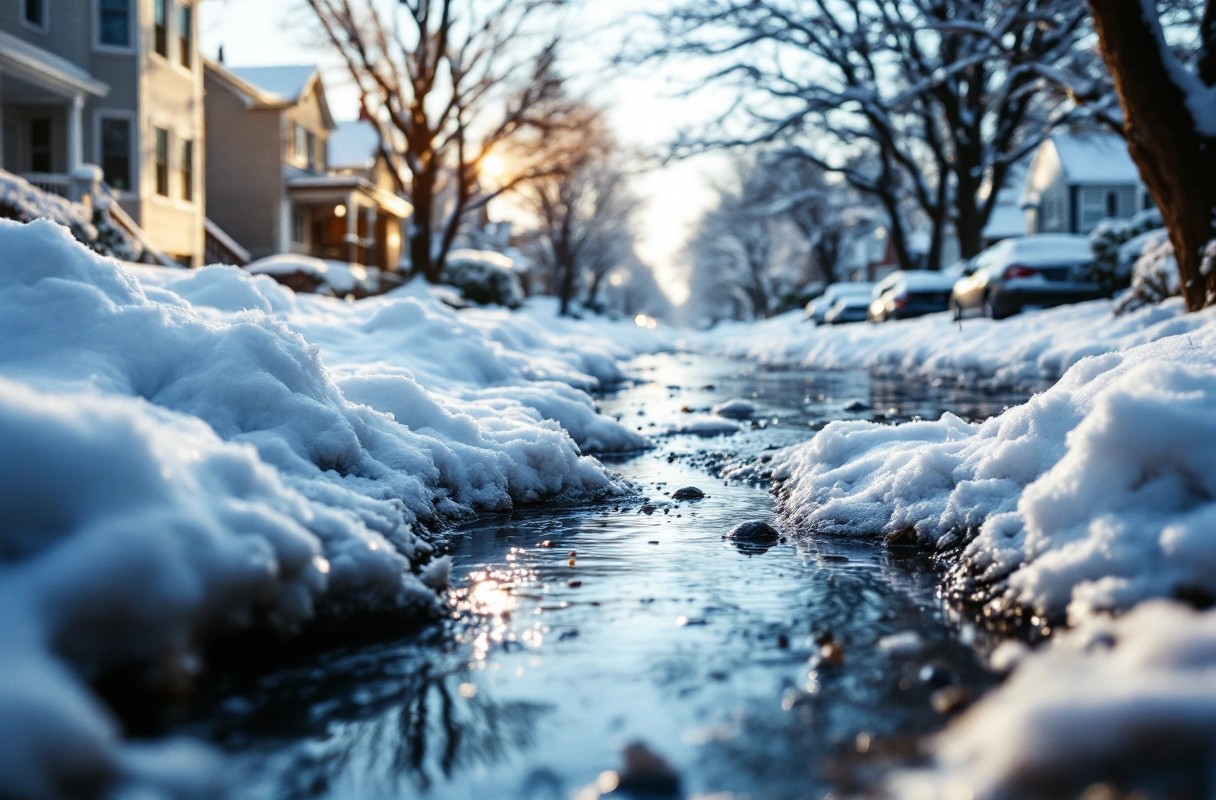
Snowmelt water issues can lead to significant property damage if not properly managed. As temperatures rise, the accumulated snow can create large volumes of water that, without adequate drainage, can seep into foundations, basements, and crawl spaces. This not only increases the risk of structural damage but also creates an environment conducive to mold growth, which can be detrimental to tenant health.
Preventing water pooling is crucial for tenant satisfaction. When water accumulates around rental properties, it can lead to muddy yards, damaged landscaping, and even flooding in lower areas of the property. Such conditions can create an unpleasant living environment and may prompt tenants to seek alternative housing. Therefore, proactive management of snowmelt water should be a priority for landlords.
Creating a Comprehensive Spring Property Checklist
A well-structured spring property checklist is vital for ensuring that your rental properties are prepared for the melt season. Here are some essential maintenance tasks to include:
- Inspect Gutters and Downspouts: Ensure that all gutters are clean and free from debris. Check that downspouts direct water away from the foundation.
- Evaluate Grading and Drainage: Assess the grading around your property. Ensure that the ground slopes away from the foundation to promote drainage.
- Check for Cracks: Inspect the foundation and basement walls for any cracks that could allow water intrusion and seal them if necessary.
- Clear Drainage Systems: Ensure that any existing drainage systems, such as French drains, are clear and functioning properly.
- Test Sump Pumps: If your property has a sump pump, test it to ensure it is operational before the spring melt begins.
Timing for seasonal upkeep is also important. Begin your inspections and maintenance tasks as soon as the snow starts to melt but before the peak of the spring thaw. This proactive approach allows you to address any issues before they escalate.
Exploring Effective Water Drainage Solutions
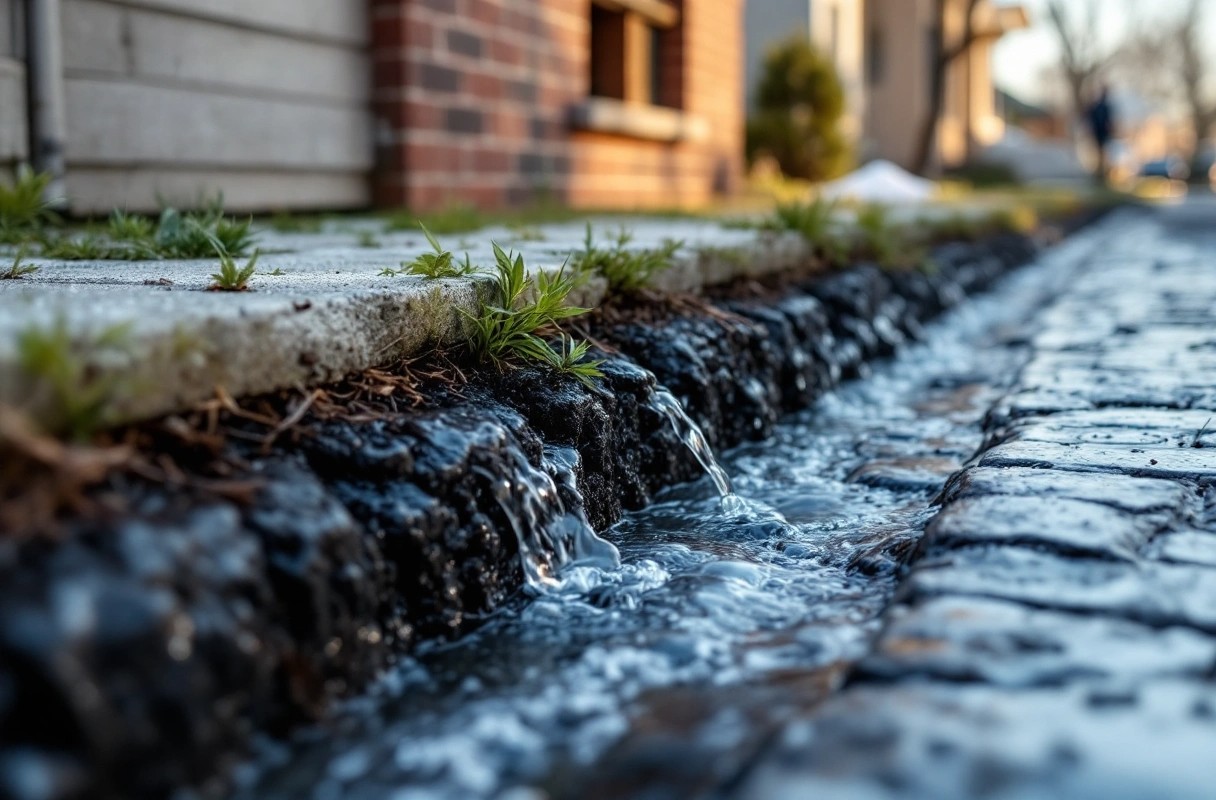
Understanding the types of outdoor drainage systems available can help you choose the right solution for your rental property. Here are some common options:
- French Drains: These systems use perforated pipes buried in gravel to redirect water away from the foundation. They are particularly effective in areas prone to standing water.
- Channel Drains: Also known as trench drains, these are surface drains designed to capture runoff water and channel it away from critical areas.
- Dry Wells: These are underground structures that collect and disperse water into the surrounding soil, reducing surface water accumulation.
- Rain Gardens: These landscaped areas are designed to absorb rainwater runoff. They can enhance the aesthetic appeal of your property while improving drainage.
Choosing the right solution depends on your property’s specific needs. Consider factors such as the landscape, existing drainage systems, and the volume of water you expect during the melt season. Consulting with a drainage professional may provide additional insights into the best options for your situation.
Landscaping Tips to Enhance Property Drainage
Effective landscaping can play a significant role in managing water drainage around your rental properties. Here are some landscaping tips to consider:
- Plant Selection: Choose plants that thrive in wetter conditions. Native plants often have deep root systems that help absorb excess water.
- Strategic Planting: Arrange plants in a way that directs water flow away from your home. Use landscaping features like berms or swales to guide water runoff.
- Soil Improvement: Amend soil with organic matter to improve drainage. Sandy or loamy soils are typically better at managing excess water than heavy clay soils.
- Mulching: Applying mulch can help retain moisture in the soil while preventing erosion during heavy rains.
Implementing these landscaping strategies not only enhances drainage but also improves the overall appearance of your rental property, making it more appealing to potential tenants.
Best Practices for Seasonal Property Upkeep
Routine inspections and maintenance schedules are essential for effective seasonal property upkeep. Establish a schedule that includes:
- Monthly Inspections: Check gutters, downspouts, and drainage systems monthly during the spring melt season to ensure they are functioning properly.
- Seasonal Maintenance Tasks: Include seasonal tasks such as lawn care, trimming shrubs, and checking irrigation systems to ensure they are ready for the warmer months.
- Long-Term Water Management Strategies: Consider long-term solutions such as installing permeable paving or rainwater harvesting systems to manage water more effectively throughout the year.
By creating a consistent maintenance schedule, landlords can prevent potential issues and ensure that properties remain in excellent condition. This proactive approach not only protects the property but also enhances tenant satisfaction and retention.
The Denver Spring Melt Checklist: A Resource for Rental Property Owners
As rental property owners in Denver prepare for the spring melt, implementing the strategies outlined in this article can significantly reduce the risk of water pooling around your rentals. By focusing on essential maintenance tasks, effective drainage solutions, and thoughtful landscaping, you can safeguard your investment and ensure a pleasant living environment for your tenants.
RentalRiff is here to assist independent landlords and small portfolio property owners with professional maintenance and tenant support. If you have questions about how to apply these strategies or need help with seasonal property upkeep, visit our website today for more information. Our team is dedicated to helping you maintain your properties without the need for full-service property management.