

Are you aware that moisture in your crawl space can lead to serious structural issues and health risks in your older home? Many homeowners underestimate the significance of maintaining a dry crawl space, especially in houses that have weathered years of wear and tear. This article will explore effective strategies for preventing crawl space moisture, ensuring a healthier living environment and protecting your investment.
Understanding the Importance of Crawl Space Moisture Control
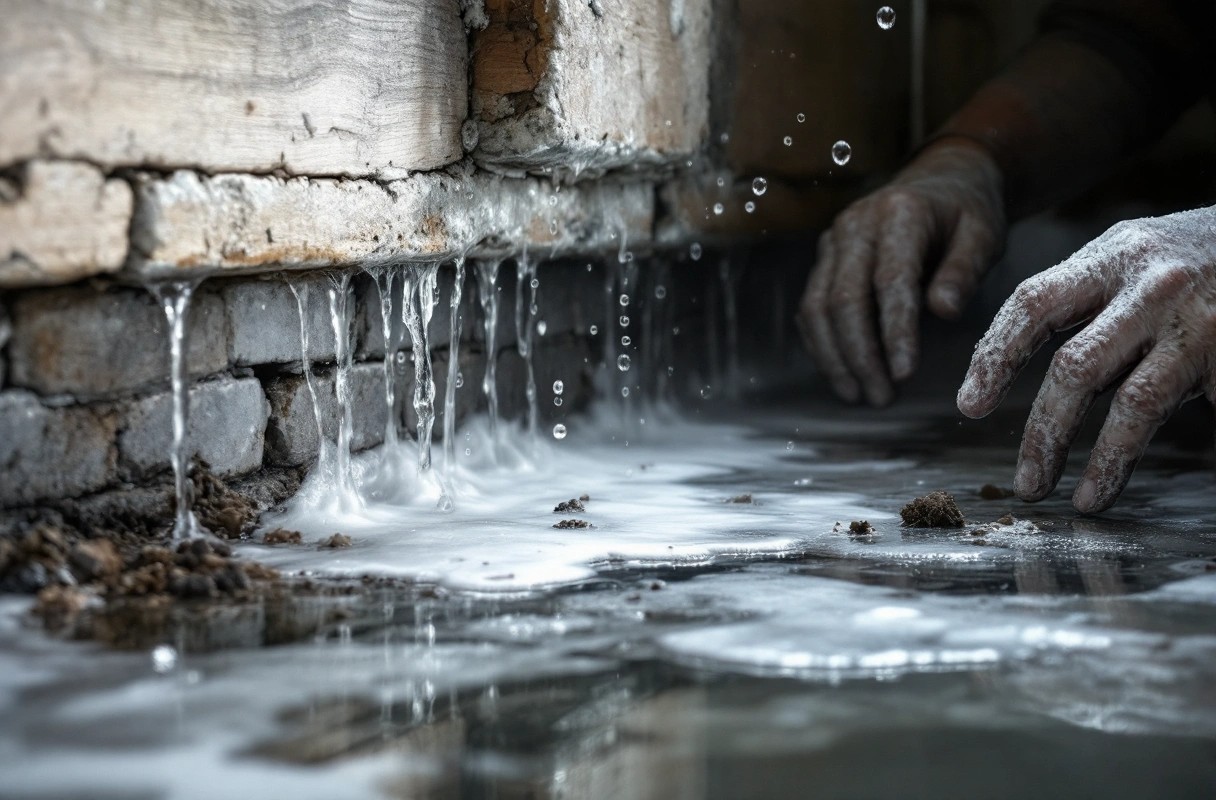
Crawl spaces serve a vital role in home ventilation and structural integrity. They provide access to plumbing and electrical systems while allowing air to circulate beneath the home, which can help regulate temperature. However, when moisture enters these spaces, it can lead to significant problems. Unchecked moisture can compromise the structural elements of the home, leading to wood rot, weakened foundations, and costly repairs.
The consequences of ignoring crawl space moisture can extend beyond structural damage. Mold and mildew thrive in damp environments, posing health risks to occupants. Symptoms such as respiratory issues, allergies, and even asthma can emerge from prolonged exposure to mold spores. Preventing crawl space moisture in older homes is not just about preserving the property; it is about safeguarding the health of those who live there.
Essential Strategies for Crawl Space Insulation
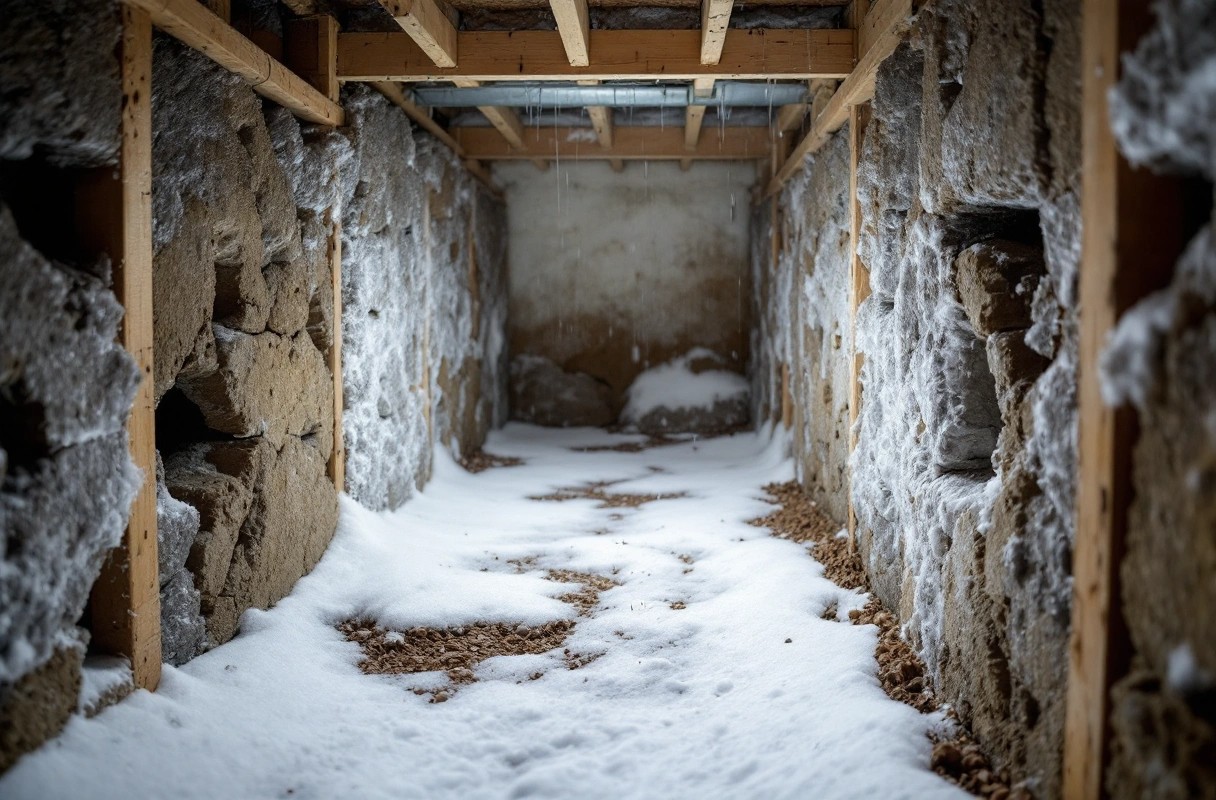
Proper insulation is a fundamental aspect of crawl space moisture control. Insulation helps regulate temperature and moisture levels, preventing condensation that can lead to dampness. There are several types of insulation materials suitable for older homes, including fiberglass, foam board, and spray foam insulation. Each material has its advantages and can effectively reduce moisture issues.
When selecting insulation, consider the climate and specific moisture challenges your home faces. For instance, foam board insulation provides excellent moisture resistance, making it a suitable choice for humid regions. On the other hand, fiberglass insulation is more affordable but may require additional vapor barriers to ensure it remains dry. Proper installation is key; all gaps and seams should be sealed to maximize effectiveness and prevent air leaks.
Implementing Effective Moisture Barriers
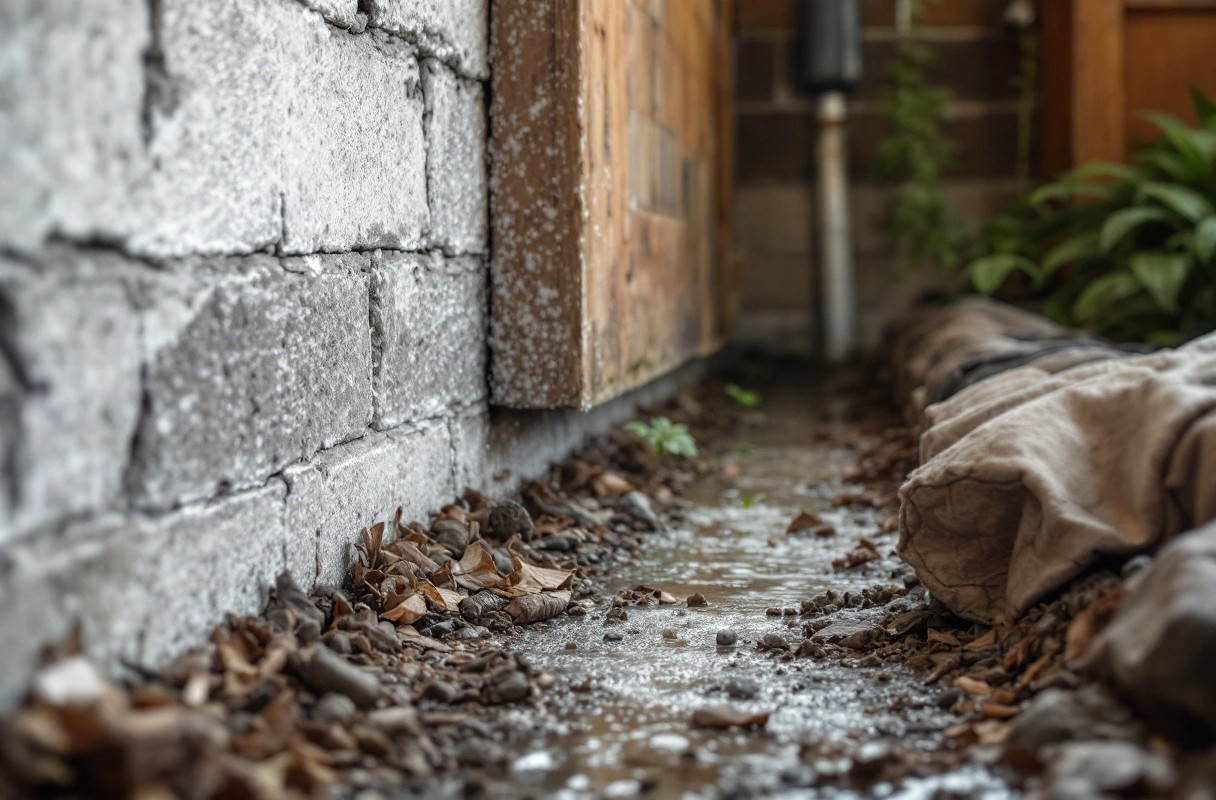
Moisture barriers are essential for preventing water intrusion in crawl spaces. These barriers, typically made of polyethylene sheeting, act as a protective layer that stops moisture from the ground from entering the crawl space. The installation of vapor barriers is a critical step in moisture control, particularly in areas prone to flooding or high groundwater levels.
For effective installation, the moisture barrier should cover the entire ground surface of the crawl space, extending up the walls at least 12 inches. Ensure all seams are sealed with tape designed for vapor barriers to prevent any moisture from seeping through. Regular inspections of the barrier are necessary to check for any tears or damage that could compromise its effectiveness.
Innovative Ventilation Solutions for Crawl Spaces
Adequate ventilation is key to effective moisture management in crawl spaces. Proper airflow helps reduce humidity levels and prevents the accumulation of damp air. There are various mechanisms to enhance airflow, including passive ventilation systems and mechanical ventilation options.
Passive ventilation typically involves installing vents on opposite sides of the crawl space to allow air exchange. This method is simple but may not suffice in extremely humid climates. Mechanical ventilation systems, such as exhaust fans, actively remove moist air from the crawl space. These systems can be controlled by humidity sensors, ensuring they operate only when necessary, thus maintaining an optimal moisture balance.
Mold Prevention Techniques to Safeguard Your Home
Mold thrives in conditions of high humidity and moisture, making it crucial to identify and eliminate factors that contribute to its growth. The first step in mold prevention is to monitor humidity levels in the crawl space and the rest of the home. Ideally, indoor humidity should remain below 50 percent to deter mold development.
Preventative measures include installing dehumidifiers in the crawl space to maintain low humidity levels, ensuring proper drainage around the foundation, and sealing any leaks in plumbing that could introduce moisture. Regular cleaning and inspection of the crawl space can help identify mold growth early, allowing for prompt remediation before it becomes a larger issue.
The Role of Foundation Drainage Systems
Foundation drainage systems are essential for protecting your crawl space from water buildup. These systems are designed to redirect water away from the foundation, preventing it from seeping into the crawl space. Common drainage solutions for older homes include French drains, surface drains, and sump pumps.
A French drain consists of a trench filled with gravel and a perforated pipe that collects and redirects water away from the foundation. Surface drains collect rainwater and direct it away from the home. Sump pumps are often used in conjunction with these systems to actively pump out any water that accumulates in low areas. Regular maintenance of these drainage systems is necessary to ensure they function effectively and prevent water intrusion.
Maintaining Home Humidity Control Year-round
Monitoring indoor humidity levels is essential for preventing moisture issues in crawl spaces and the home at large. High humidity can lead to condensation, mold growth, and overall discomfort for occupants. Tools such as hygrometers can help you track humidity levels effectively.
Techniques for effective humidity control include using dehumidifiers, ensuring proper ventilation, and maintaining consistent heating and cooling. It’s also beneficial to insulate ducts and pipes to prevent condensation from forming. By proactively managing humidity, homeowners can create a healthier living environment and protect their properties from moisture-related damage.
Exploring Crawl Space Encapsulation Options
Crawl space encapsulation is an effective method to combat moisture issues. This process involves sealing the crawl space with a vapor barrier and insulating the walls, creating a controlled environment that minimizes moisture intrusion. Benefits of encapsulation include improved air quality, reduced energy costs, and enhanced structural integrity.
To encapsulate a crawl space, follow these steps:
- Clear out debris and clean the space.
- Install a high-quality vapor barrier on the ground and walls.
- Seal any vents to prevent outside air from entering.
- Insulate walls with appropriate materials.
- Consider adding a dehumidifier to maintain optimal humidity levels.
Encapsulation not only protects your home from moisture but also provides a more usable space for storage or other purposes.
Utilizing Moisture Detection Systems in Your Home
Moisture detection systems are valuable tools for preventing problems before they escalate. These devices monitor humidity levels and can alert homeowners to potential moisture issues. Early detection allows for timely interventions, reducing the risk of mold growth and structural damage.
When choosing a moisture detection system, look for reliable options that provide real-time monitoring and alerts. Some systems can integrate with smart home technology, allowing homeowners to receive notifications directly on their smartphones. Regularly checking these systems ensures they are functioning correctly and provides peace of mind regarding moisture levels in the home.
Ongoing Maintenance Tips for Older Home Owners
Regular inspections and maintenance are critical for preventing moisture issues in older homes. Homeowners should establish a seasonal maintenance checklist to ensure that all aspects of moisture control are addressed consistently.
Key items to include in your checklist:
- Inspect gutters and downspouts for clogs and damage.
- Check the condition of the moisture barrier and insulation in the crawl space.
- Examine the foundation drainage systems for blockages or failures.
- Monitor humidity levels and inspect for signs of mold or moisture damage.
By staying proactive, homeowners can catch potential issues early and maintain a dry, healthy living environment.
Basement Moisture Solutions to Consider
Understanding the relationship between basements and crawl spaces is essential for effective moisture management. Both areas can experience similar moisture challenges, and addressing these issues in tandem can provide comprehensive protection for your home.
Best practices for managing moisture in both areas include:
- Ensuring proper drainage around the foundation.
- Using dehumidifiers in both crawl spaces and basements.
- Regularly inspecting for leaks and sealing any gaps in walls or floors.
By implementing these strategies, homeowners can maintain a dry environment in both crawl spaces and basements, protecting their property and health.
The Intersection of Crawl Space Maintenance and RentalRiff
Preventing crawl space moisture in older homes is a multifaceted endeavor that requires diligence and knowledge. As you have learned throughout this article, various strategies, from proper insulation to effective drainage systems, play a crucial role in maintaining a healthy living space. RentalRiff offers resources and support to help independent landlords and small portfolio property owners implement these practices efficiently.