
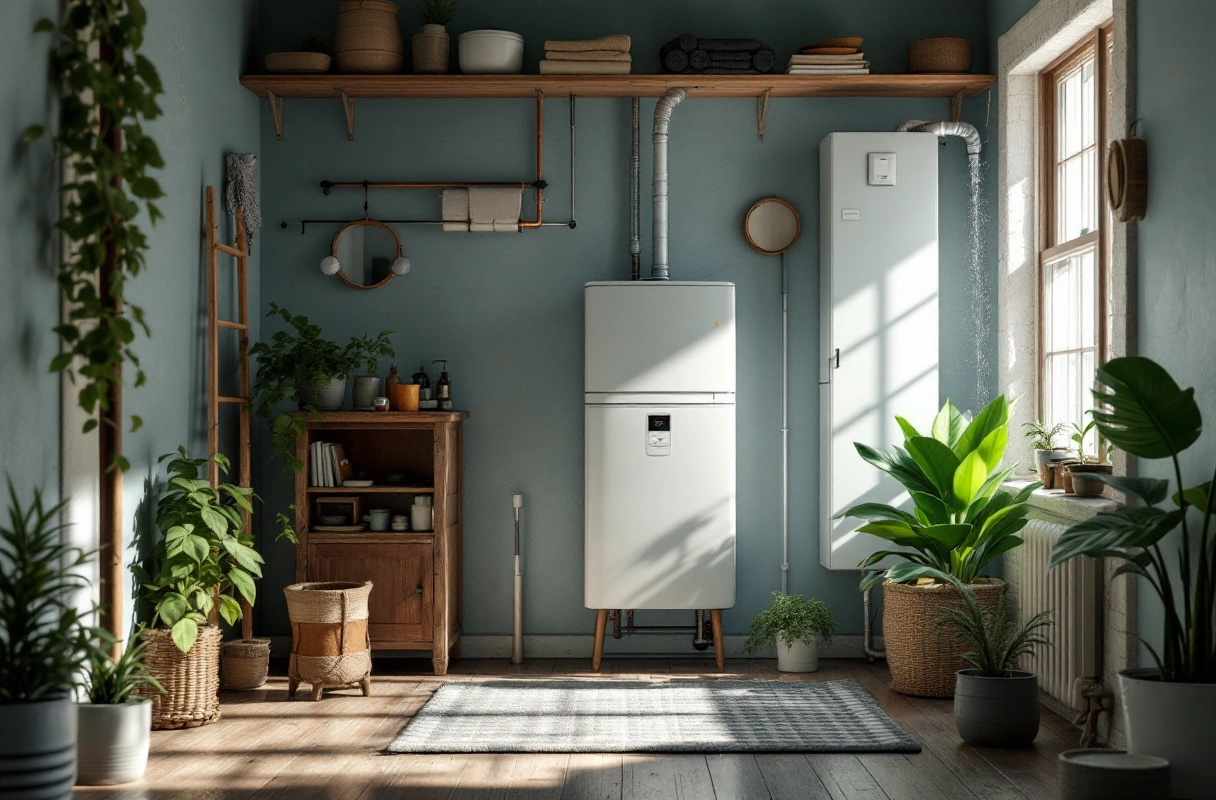
Navigating the complexities of maintaining older water heaters can be a daunting task for Seattle landlords. The unique climate and housing structures in the Seattle area present both challenges and opportunities when it comes to ensuring that water heating systems operate efficiently. Older homes often come equipped with aging water heaters that can lead to higher energy bills and potential compliance issues with local utilities regulations.
This article will provide actionable insights on managing water heater efficiency in older rentals, including maintenance tips, replacements, and sustainable practices that can benefit both landlords and tenants alike.
The Importance of Efficient Water Heaters in Seattle Rentals
Efficient water heaters are essential not just for managing energy costs but also for ensuring compliance with Seattle's utilities regulations. In a city where energy prices can fluctuate, landlords need to ensure that their properties are equipped with efficient systems to keep operational costs manageable. An inefficient water heater can significantly increase utility bills, impacting the overall profitability of rental properties.
Moreover, Seattle has specific regulations regarding energy efficiency that landlords must adhere to. Understanding these regulations and implementing energy-efficient practices can help landlords avoid fines and improve the attractiveness of their rentals. Compliance not only enhances the property's value but also aligns with the growing demand for sustainable living practices among tenants.
Essential Water Heater Maintenance Tips for Older Units
Regular maintenance is key to prolonging the lifespan of older water heaters. Landlords should conduct routine inspections and cleaning to ensure optimal performance. This includes checking for sediment buildup, which can affect heating efficiency and lead to corrosion. A simple flushing of the tank can remove this buildup, enhancing the unit's lifespan and efficiency.
Landlords should also be aware of signs that indicate a water heater may need repairs. This includes leaking water, unusual noises, or inconsistent water temperatures. Addressing these issues promptly can prevent more significant problems down the line, potentially saving landlords from costly repairs and tenant dissatisfaction.
Understanding Energy Efficiency Options for Your Rental Property
When it comes to enhancing energy efficiency in rentals, landlords have several options. One of the most significant decisions is choosing between traditional storage tank water heaters and modern tankless systems. Traditional systems typically have lower upfront costs but can lead to higher energy bills due to standby heat loss. In contrast, tankless systems provide hot water on demand, which can reduce energy consumption and lower utility bills over time.
Investing in energy-efficient water heaters not only benefits landlords financially but also appeals to environmentally conscious tenants. The initial investment in an energy-efficient system can be offset by long-term savings on energy bills, making it a prudent choice for property owners.
Cost-effective Heating Solutions for Older Homes
Exploring budget-friendly water heater upgrades can significantly impact the overall efficiency of older homes. Simple upgrades, such as adding insulation to the hot water pipes, can reduce heat loss and improve efficiency without the need for a complete system replacement. Additionally, landlords might consider integrating smart technology that allows for better monitoring of energy usage. Smart thermostats or water heater controllers can optimize heating schedules based on tenant usage patterns, further enhancing efficiency.
When evaluating cost-effective heating solutions, landlords should also consider the long-term return on investment. While some upgrades may require an initial outlay, the potential for reduced energy bills and increased property value can make them worthwhile.
Sustainable Practices for the Seattle Rental Market
Implementing tenant-friendly upgrades can enhance both tenant satisfaction and environmental sustainability. Simple practices, such as installing low-flow showerheads and faucets, can significantly reduce hot water usage without compromising tenant comfort. These upgrades not only appeal to eco-conscious renters but also help in reducing overall energy consumption.
Moreover, by choosing energy-efficient systems, landlords contribute to a broader effort toward sustainability in the Seattle rental market. This alignment with environmentally friendly practices can enhance a property's appeal, making it more attractive to potential tenants who prioritize sustainability in their living choices.
Troubleshooting Common Water Heater Issues
Identifying and fixing common water heater problems can save landlords both time and money. Common issues include inconsistent water temperatures, strange noises, or leaks. Regular inspections can help catch these problems early, allowing for simple fixes rather than expensive repairs.
However, there are instances when professional help is necessary. If a water heater fails to heat water despite troubleshooting, or if there are signs of severe leakage, it’s advisable to call a professional. Knowing when to seek help can prevent further damage and ensure tenant safety.
Practical Strategies for Managing Water Heater Efficiency
Understanding how to manage water heater efficiency in older Seattle rentals is essential for landlords. With the right strategies, it's possible to maintain optimal performance while minimizing costs and enhancing tenant satisfaction. Regular maintenance, thoughtful upgrades, and compliance with local regulations will contribute to a well-managed rental property.
For more insights on managing your rental properties, consider how RentalRiff can support your needs. Contact us today to learn more about professional maintenance and tenant support tailored to your properties.