

When you're managing emergency repairs from a distance, you need a clear system already in place before problems strike. Start by confirming whether the situation is a true emergency — active flooding, exposed wiring, gas leaks, or heating failures in extreme cold all qualify. Request photos or videos to assess damage remotely, verify utilities are shut off, and activate your pre-vetted contractor network immediately. Keep reading to discover exactly how to build and execute that system.
Key Takeaways
- Verify true emergencies by requesting photos or videos from tenants before dispatching contractors to confirm scope and severity.
- Maintain a pre-vetted list of local licensed contractors ready to respond when you cannot be physically present.
- Establish a clear call order—property specialist first, then backup contractors—to avoid liability and inflated repair costs.
- Ensure tenants contact you directly rather than hiring independent contractors, preserving cost control and repair accountability.
- Schedule seasonal inspections and preventative maintenance to reduce the likelihood of after-hours emergencies requiring remote management.
What Counts as a Real Emergency Repair
Not every repair that feels urgent actually qualifies as an emergency. True emergencies involve immediate threats to safety, habitability, or structural integrity.
You're dealing with a real emergency when urgent plumbing failures cause active flooding, sewage backups, or complete loss of water service. Electrical failures that create fire hazards, expose live wiring, or knock out power entirely also qualify.
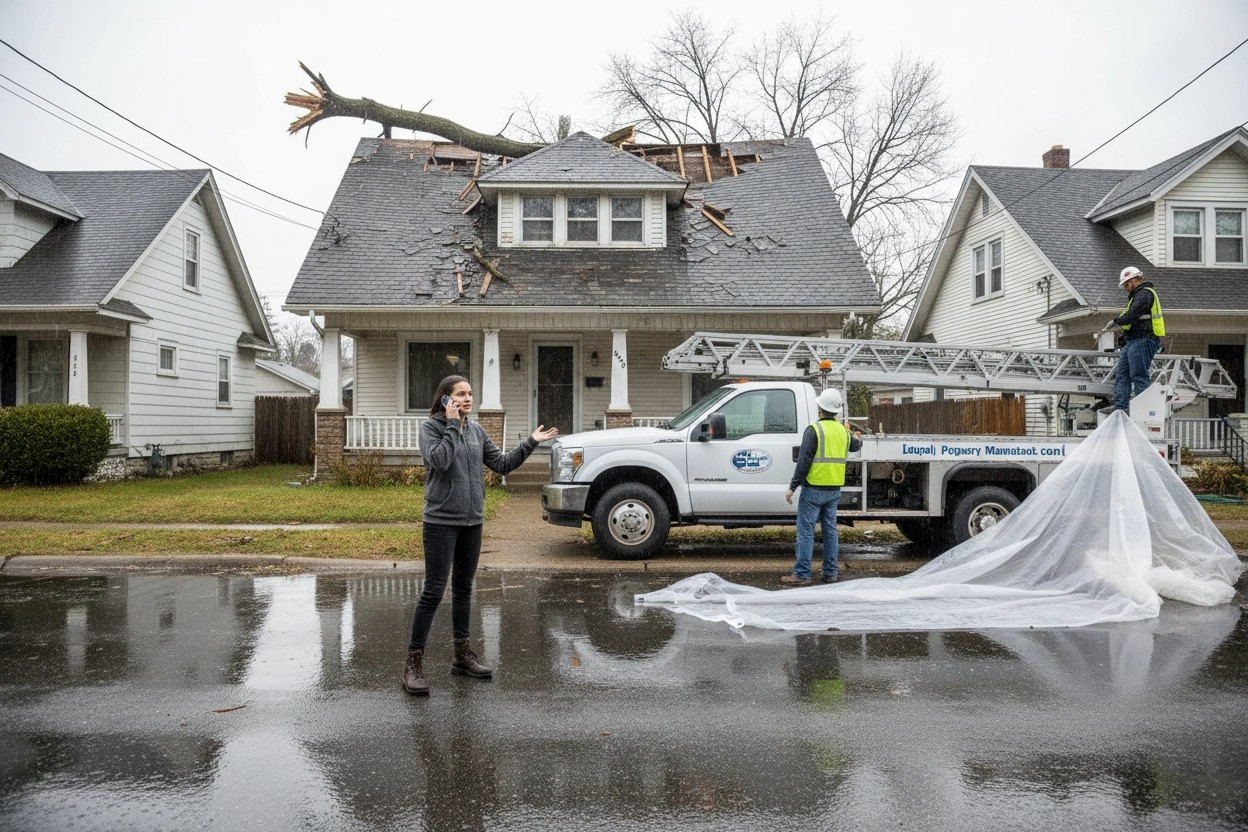
Add to that list gas leaks, broken heating systems during extreme cold, compromised entry points, and roof damage allowing water intrusion.
A leaky faucet, a malfunctioning appliance, or a running toilet doesn't meet that threshold. Misclassifying routine repairs as emergencies wastes resources and creates unnecessary panic.
Establish clear criteria upfront so your tenants understand what warrants an immediate call versus a standard maintenance request.
How to Assess Emergency Damage Remotely and Prioritize Next Steps
When a tenant reports an emergency, your first move is gathering information before dispatching anyone.
Remote assessment requires structured damage evaluation to determine severity and urgency.
Request the following immediately:
- Photos or video of the affected area, captured from multiple angles
- Scope confirmation — is the damage spreading, contained, or actively worsening?
- Safety status — are utilities shut off, and is the unit safely habitable?
- Temporary measures taken — has the tenant stopped water flow, relocated, or secured the area?
Once you've collected this data, you can prioritize next steps accurately.
Life-safety issues dispatch first. Structural or system failures dispatch same-day. Contained, non-threatening damage schedules within 24–48 hours.
Clear triage prevents unnecessary emergency service fees and keeps your response proportionate to actual conditions.
Who Should You Call First When a Repair Can't Wait?
Once you've triaged the damage, the order in which you contact repair resources determines how fast—and how cost-effectively—the emergency gets resolved.
Follow structured repair protocols: start with your dedicated property specialist, who's already familiar with your home and can mobilize quickly. If they're unavailable, activate your pre-vetted list of local resources—licensed plumbers, electricians, or HVAC technicians you've screened in advance.
Never rely on whoever answers first. Your tenant should always contact you or your property manager directly, not independently hire unknown contractors.
For life-threatening situations—gas leaks, electrical fires, structural collapse—emergency services come first, repairs second.
Sequence matters. Skipping steps or improvising contacts introduces liability, inflates costs, and delays resolution. Know your call order before the emergency happens.
Who Should Be in Your Emergency Repair Network?
Knowing your call order is only as reliable as the network behind it. Before any emergency hits, you need verified emergency contacts and vetted local contractors ready to deploy.
Build your network around these four roles:
- Licensed plumber – Handles pipe bursts, sewage backups, and water heater failures.
- Certified electrician – Addresses panel issues, outages, and hazardous wiring.
- HVAC technician – Responds to heating and cooling failures during extreme weather.
- General contractor – Manages structural damage, roof leaks, and multi-system failures.
Each contact should be licensed, insured, and familiar with your property's layout ahead of time.
Store their direct numbers, not just company lines. When emergencies strike at 2 a.m., you need a person answering, not a voicemail.
How Property Specialists Handle Emergency Repairs When You Can't Be There
Building a strong emergency network is only half the equation—you also need someone on the ground to manage repairs when you're unavailable. Property specialists fill that role by coordinating directly with contractors, overseeing repair quality, and managing tenant communication throughout the process.
When an emergency surfaces, they assess the situation, dispatch the appropriate licensed professional, and keep you informed through remote monitoring tools that track repair progress in real time. You receive updates without stepping away from your daily responsibilities.
This systematic approach eliminates the guesswork of long-distance ownership. Specialists document completed work, verify contractor performance, and confirm tenant satisfaction before closing out any request.
You stay in control of decisions while they handle the on-site execution—an efficient structure that protects both your property and your tenant relationships.
How Do You Stop the Next Emergency Before It Starts?
Reactive repair management keeps your property running when problems strike, but stopping those problems before they start saves you time, money, and tenant friction.
Build preventative strategies and emergency preparation into your management cycle with these four priorities:
- Schedule seasonal inspections to catch HVAC wear, roof vulnerabilities, and plumbing stress before they escalate.
- Replace aging components proactively — water heaters, sump pumps, and smoke detectors have predictable lifespans.
- Document property systems thoroughly so specialists can respond faster without guesswork during emergencies.
- Partner with RentalRiff to deploy local property specialists who monitor conditions, flag risks early, and execute preventative maintenance on your schedule.
Consistent, structured upkeep eliminates the majority of after-hours crises and protects your investment from avoidable, costly deterioration.
Frequently Asked Questions
How Do You Document Emergency Repairs for Insurance Claims Remotely?
You'll streamline remote documentation by having your property specialist capture timestamped photos, written repair logs, and contractor invoices. Follow your insurer's insurance procedures by submitting these digital records promptly through their online claims portal.
Can Tenants Be Held Responsible for Costs of Certain Emergency Repairs?
Yes, you can hold tenants accountable for repair responsibilities tied to negligence or lease violations. Tenant liability applies when damage stems from misuse, so review your lease terms carefully to determine cost recovery options.
What Legal Obligations Do Landlords Have During Out-Of-State Emergencies?
You must uphold landlord responsibilities by ensuring habitable conditions, addressing emergencies promptly, and respecting tenant rights—regardless of your location. Most states legally require you to authorize repairs within 24–72 hours of notification.
How Do Emergency Repairs Affect Your Rental Property's Long-Term Value?
Delayed emergency repairs erode your property appreciation and tank tenant satisfaction. You'll accelerate structural deterioration, invite costly secondary damage, and drive quality tenants away. Proactive emergency response, like RentalRiff's specialist network, systematically protects your asset's long-term market value.
Should You Notify Your Mortgage Lender About Significant Emergency Repair Damage?
Yes, you should prioritize mortgage communication when significant damage occurs. Send repair notifications to your lender promptly, as they've a financial stake in your property. Document everything and consult your loan agreement for specific disclosure requirements.
Conclusion
Distance doesn't have to mean helplessness. When you've built the right network, established clear protocols, and partnered with trusted local specialists, you can manage emergency repairs effectively from anywhere. Don't wait for a crisis to expose the gaps in your system. Audit your emergency contacts, review your response procedures, and connect with a verified property specialist through RentalRiff today — before your tenants need you to act.