
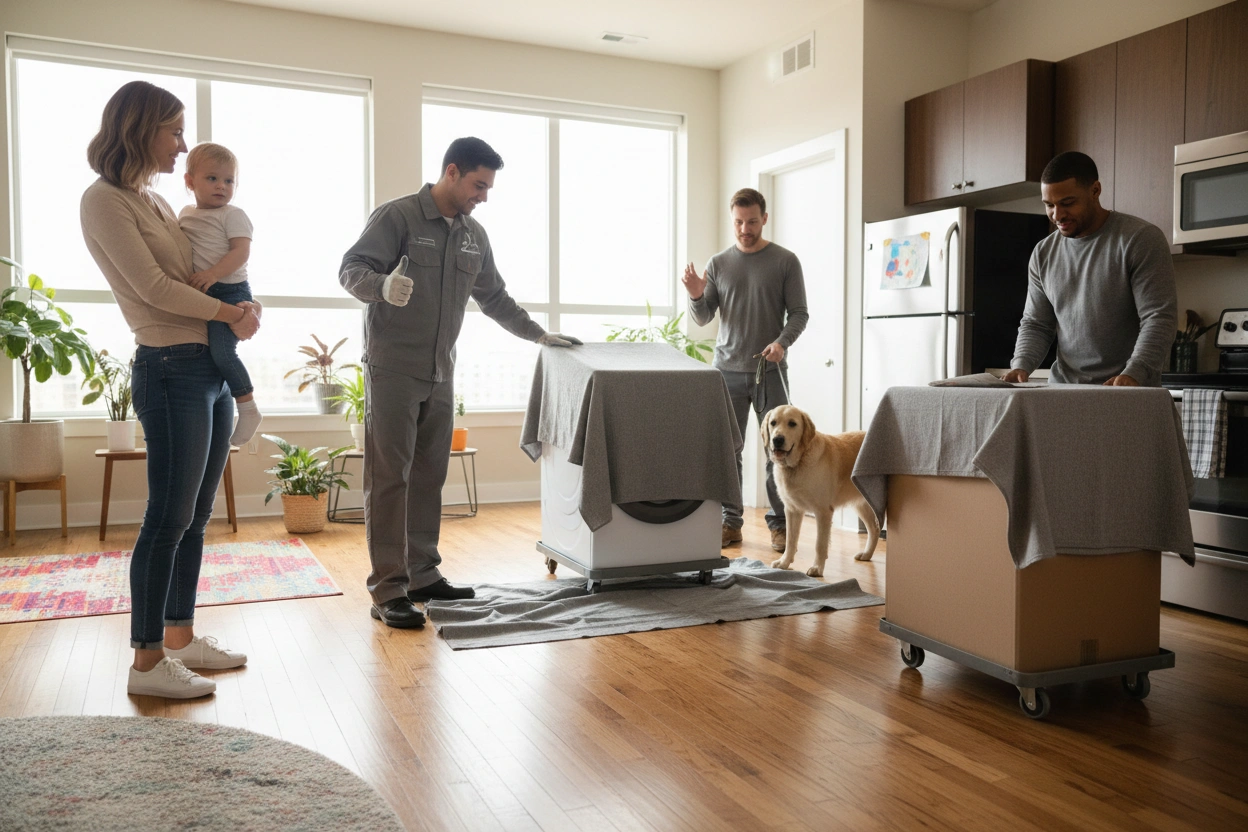
To handle appliance repairs without disrupting tenants, you'll want to act quickly, communicate clearly, and schedule around their availability. Provide written notice before every visit, including repair details and the technician's name. Decide early whether to repair or replace to avoid dragging out the process. For multi-day jobs, keep tenants updated if timelines shift. The sections ahead break down exactly how to make every step smoother for everyone involved.
Key Takeaways
- Respond to repair requests promptly to prevent tenant frustration and avoid signaling neglect toward your property and tenants.
- Assess whether repairing or replacing an appliance is more cost-effective before committing to a potentially lengthy repair process.
- Always provide written notice before repair visits, including timing, specialist details, and a description of the work involved.
- Schedule repairs around tenant availability by offering flexible morning, afternoon, or weekend time windows for added convenience.
- Communicate transparently about multi-day repairs, providing a point of contact and updates if timelines change unexpectedly.
Why Broken Appliances Drive Good Tenants Away
When a tenant's refrigerator stops cooling or their dishwasher starts leaking, every hour you delay sends a clear message: their comfort isn't a priority. Good tenants notice how quickly you respond, and slow appliance maintenance erodes the trust you've worked hard to build.
Tenant retention isn't just about competitive rent—it's about how residents feel living in your property day to day. A reliable tenant who pays on time and respects your home will start exploring other options the moment they feel neglected.
Broken appliances aren't minor inconveniences; they disrupt daily routines and create frustration that compounds over time. Addressing repairs promptly demonstrates respect, professionalism, and long-term commitment to your tenants—qualities that make them want to stay when their lease renewal comes around.

Repair or Replace: How to Decide Before Calling Anyone
Before calling a technician, you'll want to make a quick assessment of whether repairing or replacing the appliance makes more financial sense. A simple cost analysis can guide that decision: if the repair cost exceeds 50% of the appliance's replacement value, replacing it’s usually the smarter move.
Appliance lifespan also matters. A washing machine with two years left on its expected life isn't worth a major repair investment. Check the manufacturer's average lifespan, then weigh it against the repair estimate.
Consider tenant impact as well. A lengthy repair process on an older unit may frustrate tenants more than a swift replacement would.
Making this call before contacting anyone saves time, reduces back-and-forth, and helps you act decisively when your tenant needs a fast resolution.
Give Tenants Written Notice Before Every Repair Visit
Providing tenants with written notice before every repair visit isn't just courteous—it's often legally required. Most states mandate 24 to 48 hours of advance notice, so confirm your local requirements before scheduling anything.
When sending tenant notification, include the repair timing, the name of the specialist entering the unit, and a brief description of the work being performed. Email and text messages both create a documented record, which protects you if a dispute arises later.
If a repair is urgent—like a gas leak or flooding—document your attempts to reach the tenant even when immediate entry is necessary.
Consistent, clear communication builds trust, reduces friction, and demonstrates that you're managing the property responsibly. It also greatly lowers the chance of complaints or legal complications down the road.
Book Repairs Around Your Tenant's Schedule
Scheduling repairs around your tenant's availability shows respect for their time and keeps the working relationship positive. When you reach out about an upcoming appliance repair, ask for their preferred time windows rather than assigning a set appointment.
Offering scheduling flexibility—such as morning, afternoon, or weekend slots—makes the process far less disruptive. Honoring tenant preferences also reduces the likelihood of last-minute cancellations or no-shows, which waste your contractor's time and delay the repair.
Once you agree on a time, confirm it in writing and send a reminder the day before.
RentalRiff handles this coordination on your behalf, communicating directly with tenants to find appointment times that work. That keeps repairs on track without adding to your workload.
What to Tell Tenants When a Repair Takes Multiple Days
Some repairs can't be wrapped up in a single visit, and when that's the case, tenants deserve a clear, upfront explanation of what to expect.
Be transparent about repair timelines from the start. Let tenants know how many visits are required, what'll happen during each one, and roughly when work will be completed.
Set tenant expectations by explaining any temporary inconveniences, such as limited appliance access or follow-up appointments.
Give them a specific point of contact for questions and update them if the timeline shifts.
Silence creates frustration. A quick message confirming progress goes a long way toward keeping tenants comfortable and cooperative throughout the process.
When tenants feel informed, multi-day repairs become far less disruptive for everyone involved.
Find a Licensed Pro Before the Next Appliance Breaks
Waiting until an appliance breaks to find a repair professional puts you behind from the start.
Building a vetted list of licensed professionals before problems arise keeps your response time short and your tenants satisfied. Proactive appliance maintenance starts with preparation.
Here's how to build your contractor network now:
- Research and verify licensed professionals in your area who specialize in appliance repair and carry proper insurance.
- Establish preferred pricing or service agreements so there's no delay negotiating terms during an emergency.
- Store contact information in an accessible place so you can dispatch help immediately when a tenant calls.
RentalRiff connects rental owners with pre-screened property specialists, so you're never scrambling when something breaks.
Frequently Asked Questions
Can Landlords Legally Enter a Rental Unit to Repair Appliances Without Permission?
You can't legally enter without notice. Most states require 24–48 hours' repair notifications to protect tenant rights. Always notify tenants in advance, ensuring they're informed and comfortable before you access the unit for appliance repairs.
Who Pays for Appliance Repairs, the Landlord or the Tenant?
You're typically responsible for appliance repairs as a landlord, since repair responsibilities fall on you to maintain habitable conditions. Tenant rights protect renters from bearing costs for normal wear and appliance failures.
Should Landlords Provide Temporary Appliances While a Broken One Is Being Fixed?
While it's not always required, offering temporary appliance options shows tenants you value their comfort. Use proactive tenant communication strategies to keep them informed, reducing frustration and maintaining trust throughout the repair process.
How Do Landlords Document Appliance Repairs for Tax or Insurance Purposes?
Keep a detailed repair log and organized maintenance records for every appliance issue. You'll want to document dates, costs, contractor invoices, and photos. These records support tax deductions and insurance claims while demonstrating your commitment to tenant care.
Does Renters Insurance Ever Cover Appliance Damage or Repair Costs?
Renters insurance rarely covers appliance repair costs due to insurance limitations—it protects your belongings, not the unit's appliances. Understand your renter's obligations in your lease, and contact RentalRiff's team to address appliance issues quickly and efficiently.
Conclusion
When an appliance breaks, how you handle it matters just as much as how fast you fix it. By communicating clearly, scheduling repairs thoughtfully, and working with licensed professionals, you're not just maintaining your property — you're building trust with your tenants. Take these steps seriously, and you'll turn a stressful situation into proof that you're a landlord worth staying with long-term.