

To create a move-out maintenance punch list that saves you money, you'll want to document every room's condition systematically, categorize repairs by urgency and cost, and conduct a pre-move-out walk-through 2-5 days before the lease ends. Cover cleaning, mechanical systems, structural damage, and cosmetic repairs while aligning tenant charges with your state's security deposit laws. A well-built punch list cuts vacancy time, reduces contractor inefficiencies, and protects your bottom line — and there's more to unpack on each step.
Key Takeaways
- Schedule a pre-move-out walk-through 2-5 days before lease end to document conditions, clarify charges, and prevent costly disputes.
- Use a structured punch list covering HVAC, plumbing, flooring, and walls to ensure no repairs are overlooked.
- Prioritize repairs by urgency: safety hazards first, then structural damage, appliance failures, and finally cosmetic fixes.
- Charge tenants only for damage beyond normal wear and tear, verifying compliance with state security deposit laws.
- Batch work orders and streamline repairs to minimize contractor gaps, reduce vacancy days, and protect cash flow.
What Goes on a Move-Out Maintenance Punch List?
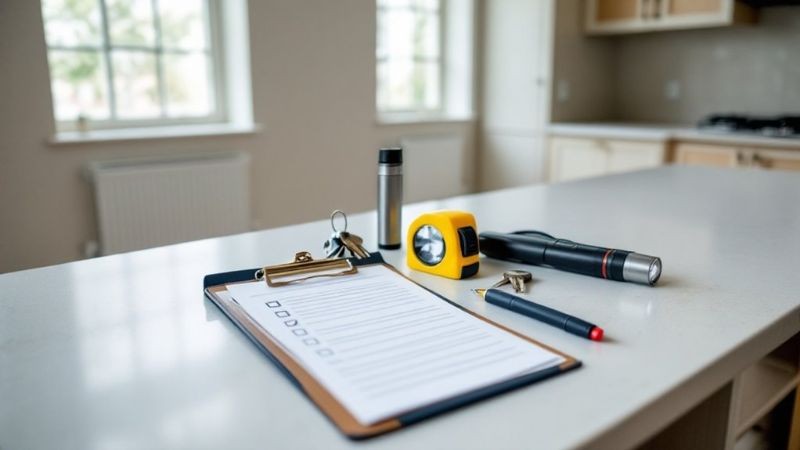
A move-out maintenance punch list typically covers five core categories: cleaning, repairs, paint and walls, mechanical systems, and exterior upkeep. Each category defines tenant responsibilities, sets repair expectations, and establishes a clear framework for damage assessment.
Your inspection checklist should document property condition room by room, noting everything from scuffed walls to faulty fixtures. A structured maintenance timeline keeps repairs on schedule between tenancies, reducing costly vacancy days.
Align your punch list with your move-out policy so tenants know exactly what's expected before they hand over keys. Clear communication tips—like sharing the checklist at lease signing—prevent disputes and set a professional tone. Additionally, ensure that tenants are aware of their responsibilities regarding returning keys to avoid potential misunderstandings.
When every category is accounted for, you'll catch issues early and protect your bottom line.
Walk the Property Before the Tenant Leaves
Schedule the walk-through before the tenant's move-out date so you have time to clarify charges and document conditions while they're still present. Bring your punch list and work through each item systematically, room by room, rather than relying on memory. A tenant who's present during the inspection can't later dispute findings they witnessed firsthand. This process also helps to ensure that all move-in checklist items are thoroughly reviewed for any discrepancies.
Schedule the Walk-Through Early
One of the most effective ways to avoid move-out disputes is to schedule the walk-through before the tenant's final day—not after they've handed over the keys.
Early scheduling gives both parties time to address concerns while the tenant is still responsible for the unit.
The walk-through benefits here are significant. You can document existing conditions, flag items that need repair, and give the tenant a chance to fix minor issues before you deduct from their deposit.
That transparency reduces conflict and protects you legally.
Aim to schedule the walk-through two to five days before the lease ends.
Confirm the appointment in writing, bring your move-in inspection report, and take timestamped photos.
This sets the foundation for an accurate, defensible punch list.
Bring Your Punch List
Once you've scheduled the walk-through, show up with a structured punch list in hand—not a blank notepad. A pre-built checklist keeps your inspection organized, guarantees you don't miss critical areas, and supports accurate maintenance tracking from the moment you walk through the door.
Your punch list should cover every major system and surface: HVAC filters, appliances, plumbing fixtures, flooring, walls, windows, doors, and exterior spaces.
As you move through the property, document conditions in real time rather than relying on memory.
Clear tenant communication during this process also matters. When tenants see you working from a structured list, it sets a professional tone and reduces disputes over what was or wasn't noted.
Consistency here protects you legally and financially.
Categorize Repairs by Cost and Urgency
Once you've completed your walkthrough, sort every item on your punch list by urgency and estimated cost.
Tackle safety hazards, structural issues, and anything that affects habitability first—these can't wait while you weigh your options.
For everything else, get accurate cost estimates before scheduling work so you can make smart decisions about what to repair, replace, or defer. Additionally, maintaining clear communication with your landlord can help ensure that responsibilities are understood and addressed promptly.
Prioritizing Urgent Repairs First
After completing your walkthrough, categorize every item on your punch list by urgency and estimated cost before scheduling any work. This approach prevents costly delays and keeps your timeline on track between tenants.
Prioritize repairs in this order:
- Safety and habitability issues – Fix immediately; these affect your legal obligations and tenant communication if a new tenant is incoming.
- Structural or water damage – Address next to prevent escalating repair costs.
- Appliance and system failures – HVAC, plumbing, and electrical issues that impact livability come third.
- Cosmetic repairs – Paint, hardware, and minor aesthetic fixes round out your list last.
Tackling urgent repairs first protects your property's value, reduces liability, and guarantees your unit is rent-ready without unnecessary setbacks.
Estimating Repair Costs Accurately
With your repairs sorted by urgency, the next step is putting accurate dollar figures behind each item so you can budget, schedule, and make smart decisions about what to repair versus replace.
Solid cost estimation prevents surprises and keeps your repair budget from spiraling.
Get contractor quotes for anything structural, mechanical, or electrical. For smaller cosmetic fixes, use recent invoices or local pricing benchmarks as your reference.
Always build in a 10–15% contingency on each line item—material costs shift, and scope often expands once work begins.
Compare repair costs against replacement costs side by side. If repairing an appliance runs 70% of its replacement value, replacing it likely makes more financial sense.
Accurate numbers give you the clarity to act decisively and spend strategically.
What Can You Legally Charge the Tenant For?
Knowing what you can legally charge a tenant for is just as important as documenting the damage itself.
Most states distinguish between tenant responsibilities and normal wear and tear, and crossing that line can cost you your right to withhold from the security deposit.
Generally, you can charge for:
- Damage beyond normal wear and tear – holes in walls, broken fixtures, or stained carpet from neglect.
- Unauthorized alterations – paint colors, removed shelving, or unapproved installations.
- Excessive cleaning costs – when the unit is left in unsanitary or unreasonable condition.
- Missing or damaged items – appliances, blinds, or hardware documented in the move-in checklist.
State laws vary, so always verify what's enforceable in your jurisdiction before making deductions. For instance, in Oregon, landlords must adhere to specific security deposit regulations that outline allowable deductions.
Tackle Turnover Repairs in the Right Order
Once you've confirmed what needs to be fixed and who's responsible for the cost, work through repairs in a logical sequence to avoid redoing completed work.
Following the right repair sequence saves time, reduces contractor trips, and keeps your turnover on schedule.
Start with structural and systems work—plumbing, electrical, HVAC—before moving to walls and ceilings.
Patch and paint after rough-in repairs are complete. Then address flooring, since it's easier to protect new floors when wall work is already done.
Finish with cleaning, fixture replacements, and touch-ups.
These efficiency tips keep your timeline tight and prevent costly mistakes like painting before a leak gets fixed.
A logical order means fewer callbacks, lower labor costs, and a unit ready to rent faster. Additionally, ensuring proper preventative maintenance can help identify issues before they escalate, saving you money in the long run.
How a Punch List Cuts Vacancy Time and Costs
Completing repairs in the right order keeps your turnover efficient, but only if you've captured every item that needs attention in the first place.
A thorough punch list is the foundation of any solid vacancy strategy—it eliminates guesswork, prevents return trips, and compresses your timeline. A quick cost analysis makes the value clear:
- Fewer missed repairs mean fewer tenant complaints after move-in
- Batched work orders reduce contractor scheduling gaps
- Documented conditions protect your security deposit decisions
- Faster unit readiness shortens the days you're absorbing carrying costs
Every day a unit sits vacant costs you money.
A complete, well-organized punch list keeps your crew focused, your costs controlled, and your property back on the rental market as quickly as possible.
Frequently Asked Questions
How Long Does a Typical Move-Out Maintenance Process Take to Complete?
Your move-out timeline typically runs one to two weeks, depending on property size and repair scope. Maximizing maintenance efficiency means you'll minimize vacancy days and protect your rental income with a well-organized punch list approach.
Should I Hire a Professional Inspector or Do the Walkthrough Myself?
You can do it yourself using a thorough walkthrough checklist, but DIY inspections risk missing costly issues. Hiring a professional guarantees you'll catch hidden damage, protecting your investment and strengthening your move-out punch list accuracy.
How Do I Handle Disputes With Tenants Over Security Deposit Deductions?
Document everything with photos, written records, and itemized costs before deducting from the security deposit. You'll resolve tenant communication disputes faster when you've got clear evidence supporting each charge on your move-out punch list.
What Documentation Should I Keep After Completing Move-Out Repairs?
Keep repair receipts, before photos, after photos, contractor invoices, and dated records of all completed work. You'll want these documents organized and stored securely—they're your strongest defense if deposit disputes arise later.
Can Move-Out Maintenance Costs Be Deducted From My Rental Property Taxes?
Yes, you can typically deduct move-out maintenance costs as rental property expenses. These tax deduction strategies reduce your taxable income, but consult a tax professional to guarantee you're correctly categorizing repairs versus capital improvements.
Conclusion
A move-out punch list isn't just a checklist—it's your roadmap to a faster, more profitable turnover. When you walk the property systematically, categorize repairs strategically, and know what you can legally recover from tenants, you're not guessing anymore. You're making decisions that protect your investment and cut vacancy time. Build this process into every move-out, and you'll spend less, stress less, and get your rental back on the market faster.