
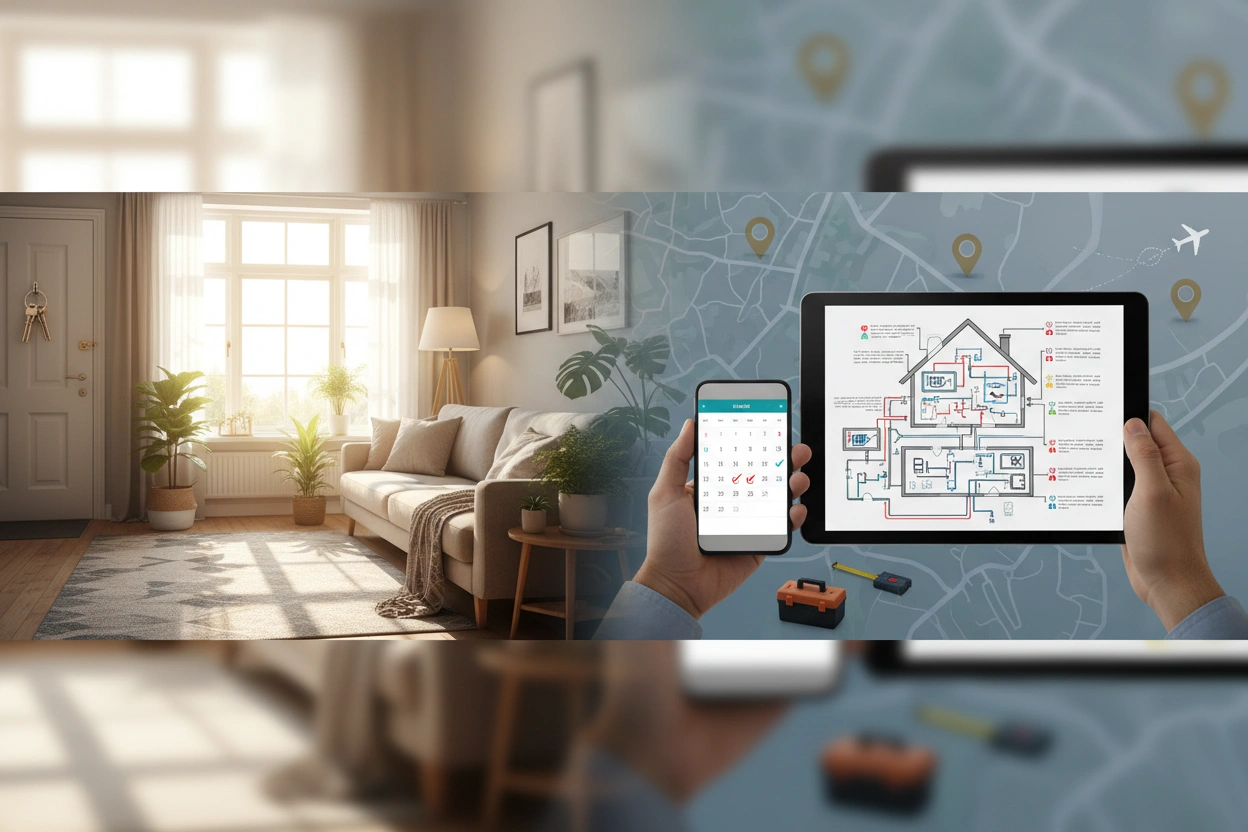
Building a maintenance plan for a remote rental starts with assembling a vetted contractor network, including a plumber, electrician, HVAC technician, handyman, and roofer. You'll also need a seasonal checklist that schedules inspections before problems develop. Document an emergency plan, share it with your tenants, and establish clear response priorities. The details ahead will show you exactly how to pull all of these pieces together.
Key Takeaways
- Build a seasonal maintenance checklist assigning specific contractor tasks to prevent small issues from escalating into costly, disruptive repairs over time.
- Maintain a vetted contractor network of at least five specialists, including plumbers, electricians, and roofers, with updated contact information stored accessibly.
- Create a documented emergency plan defining repair priorities and share it with tenants to ensure clear, actionable crisis response procedures.
- Respond promptly to tenant maintenance requests, as delays increase repair costs, tenant dissatisfaction, and likelihood of costly long-term property damage.
- Use a local property management contact, like RentalRiff, to coordinate tenant communication, emergency response, and contractor dispatch on your behalf.
Why Distance Turns Small Repairs Into Expensive Problems
When you own a rental property miles away, small maintenance issues don't stay small for long. A minor roof leak becomes water damage. A slow drain backs up into a flooded bathroom.
Remote management creates dangerous blind spots because you're not there to catch problems early.
The cost implications compound quickly. By the time a tenant reports an issue, schedules your visit, and waits for your repair crew to arrive, the damage has often doubled in scope and price.
You're also paying for emergency rates instead of routine service calls.
Distance removes your ability to act fast, and in rental maintenance, speed directly controls cost.
Every day a problem sits unaddressed, it grows more expensive, more disruptive, and harder to fix.
Who to Have on Speed Dial Before Your Rental Needs Work
Every rental property needs at least five contractors lined up before the first tenant moves in: a licensed plumber, electrician, HVAC technician, general handyman, and roofer.
Vet each one before you need them. Confirm licensing, insurance, and availability for emergency contacts outside business hours. Local contractors who already know your property's age, systems, and quirks will respond faster and quote more accurately than strangers you're calling in a crisis.
Store every contact in a shared document your property manager or trusted neighbor can access immediately. Include each contractor's specialty, service area, and after-hours number.
Update the list annually and replace anyone who stops returning calls. Building this network before problems arise is what separates landlords who contain damage from those who watch it compound.
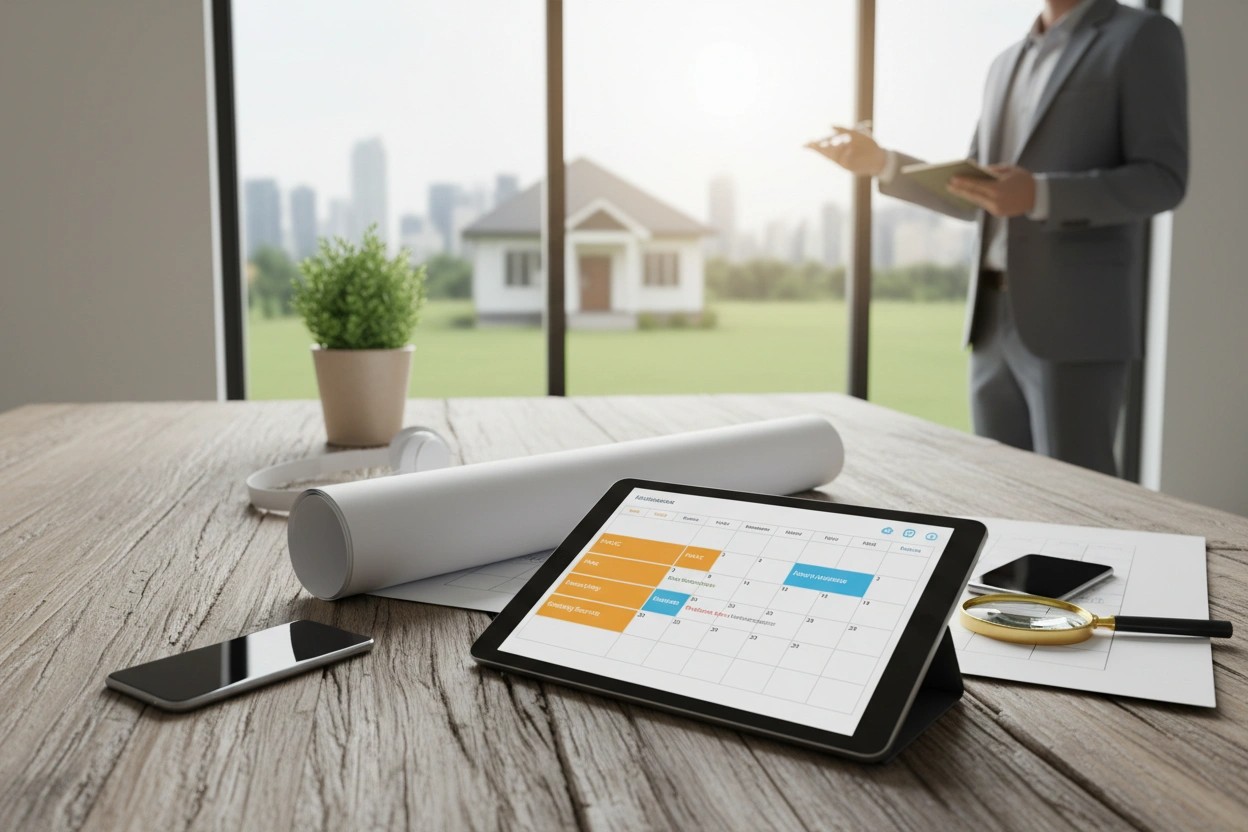
Build a Seasonal Maintenance Schedule for Your Remote Rental
Having your contractors lined up is only half the equation — you also need a structured plan that tells you when to call them. Seasonal checklists turn reactive scrambling into scheduled, predictable upkeep.
Each quarter, assign specific tasks to your local contractors based on what your property's climate demands. In fall, schedule HVAC servicing and gutter cleaning.
Winter calls for pipe insulation checks and roof inspections. Spring is the time to assess drainage, exterior paint, and landscaping. Summer works well for deck inspections and AC filter replacements.
Document every task, assign it a month, and attach a responsible contractor to each line item. When you're managing remotely, this calendar becomes your operational backbone — keeping your property protected without requiring you to be on-site.
How Fast Maintenance Responses Stop Tenant Problems From Escalating
A delayed maintenance response doesn't just inconvenience your tenant — it turns a minor fix into a costly repair and a satisfied renter into one who's looking for the exit.
When a small leak goes unaddressed, it becomes water damage. When a heating issue lingers, it becomes a lease dispute.
Timely responses signal to tenants that their concerns matter, which directly reduces turnover. Proactive communication — acknowledging the request, confirming next steps, and providing updates — prevents frustration from building even before the repair is complete.
When you're managing remotely, this responsiveness is nearly impossible to maintain alone.
RentalRiff handles tenant communication and dispatches local specialists quickly, keeping minor issues from compounding into expensive emergencies and keeping your tenants where you want them — in place.
What Every Remote Landlord Needs in a Rental Emergency Plan
Staying responsive to day-to-day maintenance requests is only part of the equation — when a real emergency hits, you need a documented plan ready before the phone rings at 2 a.m.
Your emergency plan should include a clear list of emergency contacts — plumbers, electricians, and HVAC technicians — who are available outside business hours.
Define your repair priorities upfront: structural damage, flooding, gas leaks, and electrical failures require immediate action, while other issues can wait.
Share this plan with your tenants so they know exactly who to call and when.
RentalRiff can serve as your local point of contact, coordinating emergency responses on your behalf so nothing falls through the cracks while you're managing things from a distance.
Who Should Handle Rental Maintenance When You Can't Be There
Whether you own one rental or several, coordinating maintenance from a distance requires more than good intentions — it requires a reliable person on the ground with the authority and skills to act.
Your options include hiring a handyman, building a network of trusted contacts like plumbers and electricians, or partnering with a specialized service like RentalRiff that manages local services and tenant communication on your behalf.
Each approach has tradeoffs. Independent contractors offer flexibility but require your oversight. Trusted contacts may help in a pinch but aren't always available. A dedicated maintenance service provides consistent, licensed professionals who respond promptly and keep you informed.
Whichever route you choose, define responsibilities clearly, grant appropriate access, and guarantee someone can act immediately when problems arise.
Frequently Asked Questions
How Do I Verify Contractors Are Completing Work Correctly From a Distance?
Use virtual inspections to verify completed work by requiring contractors to send timestamped photos and videos. Maintain consistent contractor communication through a structured checklist, ensuring every task meets your standards before you approve final payment.
What Maintenance Records Should Remote Landlords Keep for Tax and Legal Purposes?
Keep invoices, receipts, contractor agreements, and work orders for tax deductions. You'll also need photos, inspection reports, and tenant communications as legal documentation. Organize records by property and date for quick, accurate access.
How Do I Set a Realistic Maintenance Budget for a Remote Rental Property?
Set aside 1-2% of your property's value annually. Use remote inspections to identify recurring issues, and leverage budget forecasting to anticipate seasonal costs. RentalRiff's proactive approach helps you allocate funds accurately.
Can Tenants Legally Withhold Rent if Remote Landlords Delay Maintenance Repairs?
Yes, tenants can legally withhold rent in many states if you delay critical repairs. Review your rental agreements carefully, as tenant rights vary by location—so you'll want to address maintenance promptly to avoid disputes.
How Do I Handle Rental Maintenance When My Property Sits Vacant Between Tenants?
Schedule vacant inspections regularly to catch issues early. You'll want to address repairs proactively before new tenants arrive. RentalRiff handles both vacant property upkeep and tenant communication, ensuring your rental's ready for seamless, damage-free occupancy changes.
Conclusion
Managing a rental from a distance doesn't have to feel like flying blind. You've now got the framework to build a maintenance plan that works without you being on-site — from your vetted contractor network and seasonal schedules to emergency protocols and reliable on-the-ground support. Put these systems in place before something breaks, not after. Your tenants stay happy, your property stays protected, and you stay in control regardless of the miles between you.