

Navigating the challenges of wet months can be daunting, but proper house ventilation is your key to comfort and safety. As moisture levels rise during these periods, ensuring that your home is adequately ventilated becomes essential to maintaining a healthy living environment. Poor ventilation can lead to increased humidity, mold growth, and a decline in overall air quality, which can adversely affect both your property and the well-being of its occupants.
This article will explore effective strategies for achieving proper house ventilation during the wettest months to enhance air quality and prevent moisture-related issues. By implementing these techniques, you can safeguard your home and create a more comfortable space for everyone.
The Importance of Effective House Ventilation
Effective house ventilation plays a significant role in enhancing indoor air quality and reducing moisture buildup. When the air inside your home is not adequately exchanged with fresh outdoor air, it can lead to a host of problems, including stale odors, pollutants, and allergens. During the wettest months, humidity levels can skyrocket, creating an ideal environment for mold and mildew to thrive. Proper ventilation helps mitigate these risks by facilitating the movement of air, allowing moisture to escape and fresh air to circulate.
Additionally, reducing moisture buildup through effective ventilation can lead to significant energy savings. High humidity levels can make your heating and cooling systems work harder, increasing energy consumption. By ensuring that your home is properly ventilated, you can maintain a comfortable temperature without overloading your HVAC systems, ultimately leading to lower utility bills.
Key Benefits of Effective Ventilation
- Enhances indoor air quality: Proper ventilation removes stale air, reducing indoor pollutants and allergens.
- Reduces moisture buildup: By allowing humid air to escape, ventilation prevents mold and mildew growth.
- Improves energy efficiency: Effective ventilation can optimize the performance of your heating and cooling systems, lowering energy costs.
Top House Ventilation Tips for Wet Months
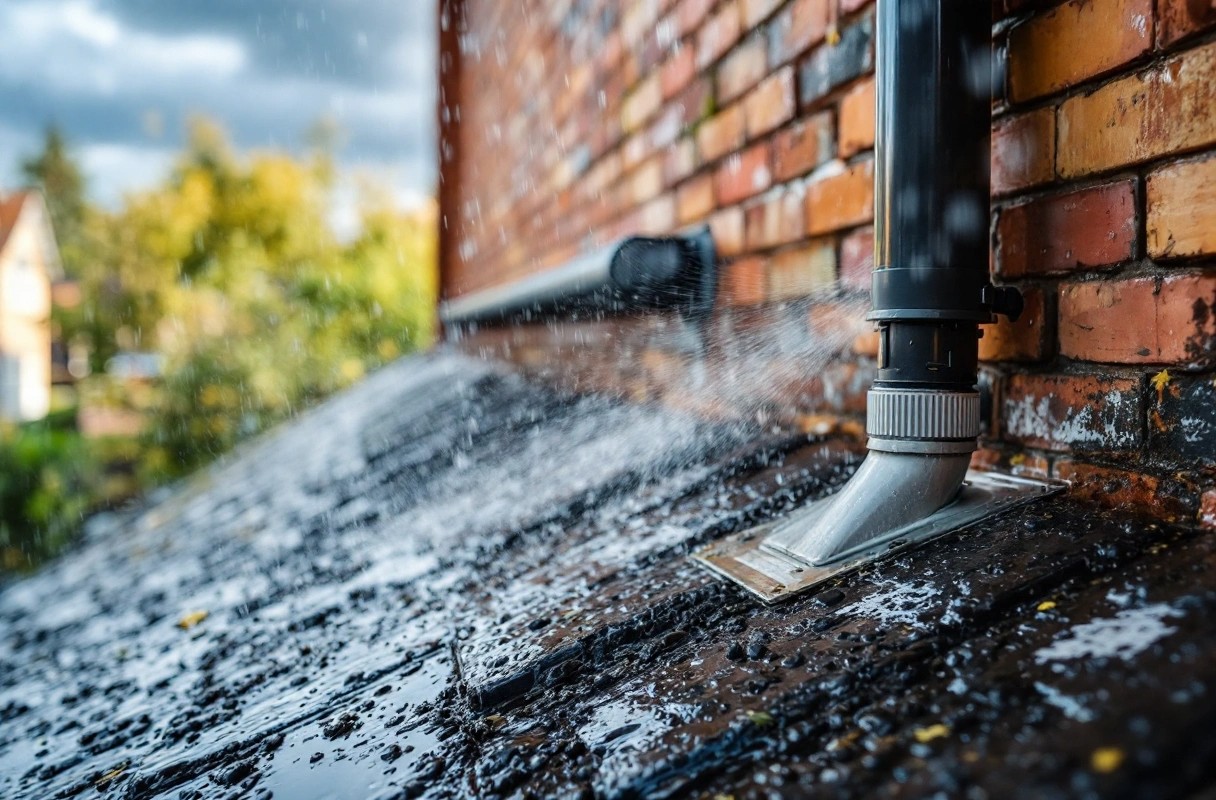
Implementing specific house ventilation tips can significantly improve air quality and moisture control during wet months. One of the most effective strategies is utilizing natural airflow. Opening windows and doors when weather permits can help create cross-ventilation, allowing fresh air to enter while pushing out humid air. This method is especially useful during milder weather conditions when outdoor humidity levels are lower.
Another practical approach is to install exhaust fans in key areas of your home, such as kitchens and bathrooms. These fans actively remove moist air generated from cooking, showering, and other activities. Ensure that exhaust fans are vented to the outside rather than into the attic or other enclosed spaces, which can exacerbate humidity issues. Regularly checking and maintaining these fans is essential to ensure they operate efficiently.
Additional Tips for Effective Ventilation
- Use dehumidifiers: These devices can help control moisture levels, especially in basements and crawl spaces.
- Seal air leaks: Identify and seal any gaps or cracks in your home’s structure to prevent unwanted moisture ingress.
- Monitor indoor humidity levels: Invest in a hygrometer to keep track of humidity levels and adjust your ventilation strategies accordingly.
Exploring the Best Ventilation Systems for Your Home
Choosing the right ventilation system is critical for maintaining proper house ventilation during the wettest months. Several types of ventilation systems are available, each with its advantages and applications. Natural ventilation relies on passive airflow through windows and vents, while mechanical systems utilize fans and ducts to improve air circulation.
When selecting a ventilation system, it's essential to consider energy-efficient options. Systems that incorporate heat recovery ventilators (HRVs) or energy recovery ventilators (ERVs) can significantly enhance indoor air quality while minimizing energy loss. These systems work by exchanging stale indoor air with fresh outdoor air while capturing and reusing heat, making them an excellent choice for maintaining comfort and efficiency.
Types of Ventilation Systems
- Natural ventilation: Relies on passive airflow through windows, doors, and vents.
- Mechanical ventilation: Uses fans and ducts to actively circulate air.
- HRVs and ERVs: Energy-efficient systems that recover heat and improve air quality.
Seasonal Strategies for Maintaining Home Air Quality
Maintaining home air quality requires regular maintenance of ventilation systems, especially during the wet months. Inspecting and cleaning ducts, filters, and fans will ensure that your systems operate at peak efficiency. Clogged or dirty filters can restrict airflow and reduce the effectiveness of your ventilation, leading to increased moisture and poor air quality.
Additionally, adjusting your ventilation strategies with the seasons is vital. In winter, for instance, you may need to balance ventilation with heating needs. While it is essential to ventilate to prevent moisture buildup, doing so should not compromise indoor warmth. Consider using a timer or a smart system to control ventilation based on humidity levels and temperature, ensuring a comfortable environment year-round.
Key Maintenance Strategies
- Regularly check and clean filters and ducts to ensure optimal airflow.
- Adjust ventilation settings based on seasonal humidity and temperature changes.
- Utilize smart home technology for automated control of ventilation systems.
Practical Strategies for Proper House Ventilation During the Wettest Months
Proper house ventilation during the wettest months is essential for maintaining air quality and preventing moisture-related issues. By implementing the strategies outlined in this article, independent landlords and small portfolio property owners can create healthier living environments for their tenants. Regular maintenance of ventilation systems, utilizing effective airflow techniques, and selecting the right systems can all contribute to better indoor air quality and energy efficiency.
To further support your efforts in maintaining your property, consider reaching out to RentalRiff. We offer valuable resources and professional maintenance solutions tailored to independent landlords and property owners.