

As a landlord in San Diego, your property is not just an investment; it’s a haven for tenants and a reflection of your management skills. The unique climate of San Diego presents specific challenges, particularly when it comes to maintaining the exterior of your properties. One of the most common materials used in home exteriors is stucco, which, while durable, can be susceptible to damage from the region's heat and sun exposure. This article will explore the common signs of stucco damage and provide essential tips on how to facilitate stucco maintenance and protect your stucco exteriors from heat stress.
Recognizing the Early Signs of Stucco Damage
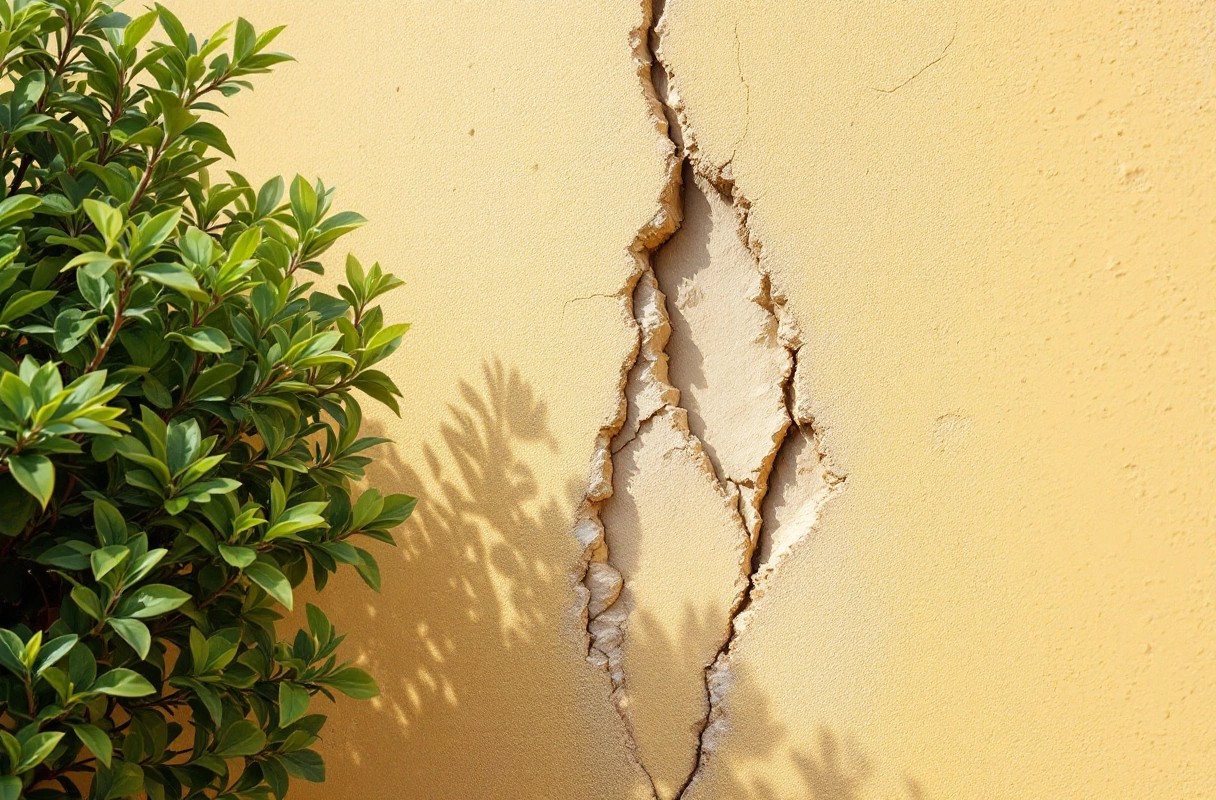
Identifying early signs of stucco damage is vital for landlords looking to preserve their properties. The most noticeable indicators include cracks and chips, which often arise due to heat stress. As temperatures rise, stucco can expand and contract, leading to fissures that may start small but can worsen if left unattended. Cracks may appear in various sizes, and chips might flake off, exposing the underlying layer and potentially allowing moisture to penetrate.
In addition to cracks, color fading and texture changes are significant signs of stucco deterioration. Prolonged sun exposure can cause the stucco's color to dull, indicating that the protective finish is wearing away. Texture changes, such as rough patches or a chalky surface, can also signal that the stucco is losing its integrity. Landlords should conduct regular visual inspections to catch these issues early, enabling timely repairs that prevent more extensive damage.
Understanding the Impact of San Diego's Climate
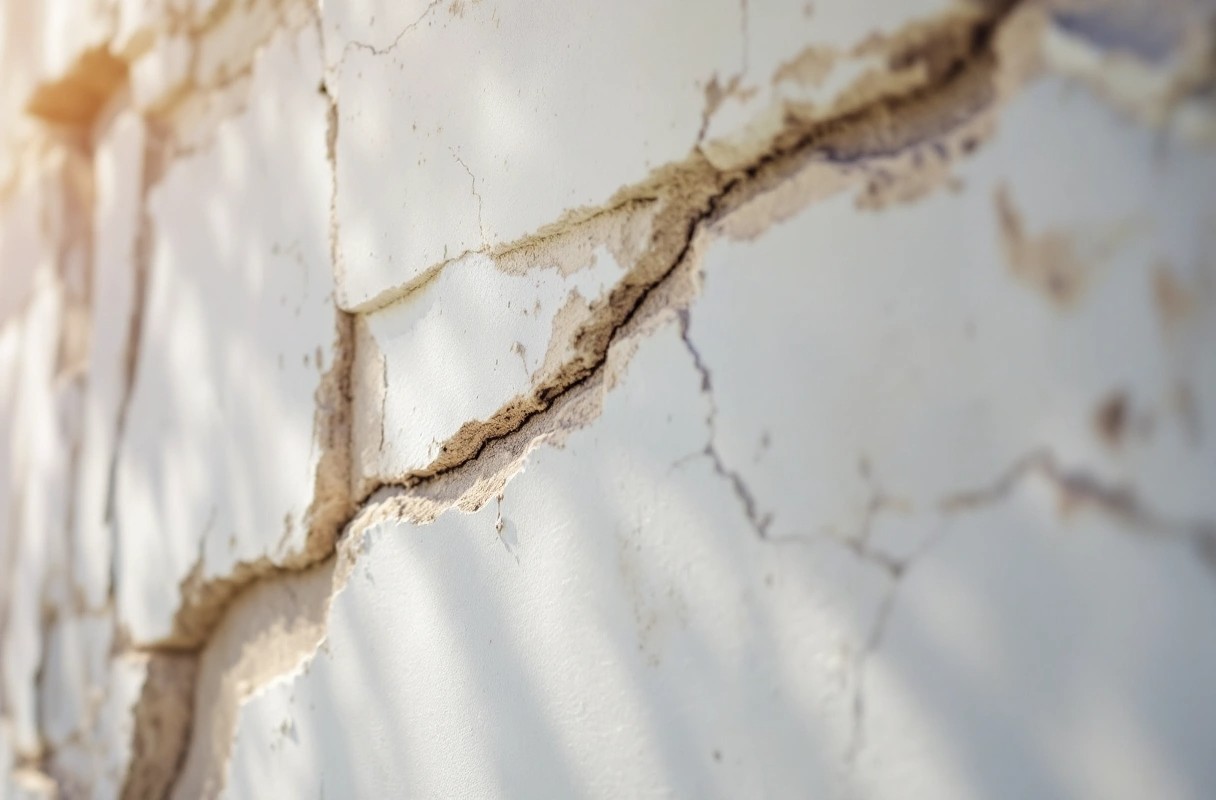
San Diego's climate is characterized by warm, sunny days and relatively low humidity, which can take a toll on stucco exteriors. The intense heat can accelerate the drying process of the stucco, leading to cracks and a breakdown of the material over time. Furthermore, the UV rays can degrade the finish, causing color fading and weakening the overall structure. Understanding these effects is crucial for landlords aiming to maintain the aesthetic and functional quality of their properties.
While heat plays a significant role, humidity and rain also contribute to stucco deterioration. Although San Diego is not known for heavy rainfall, the occasional storm can introduce moisture that seeps into cracks, leading to mold growth and further damage. Landlords must be proactive in monitoring weather patterns and their impact on stucco, ensuring that appropriate measures are taken to protect their properties from these environmental stressors.
Effective Stucco Maintenance Tips for Landlords
To keep stucco in optimal condition, landlords should establish a regular maintenance routine. This begins with scheduled inspections, ideally every six months, to identify any cracks, chips, or signs of wear. During these inspections, landlords should check for signs of moisture intrusion, such as discoloration or efflorescence, which can indicate underlying issues.
In addition to inspections, landlords should implement cleaning and care routines. Regularly washing stucco surfaces with a mild detergent and water can help remove dirt and debris that can contribute to wear. Avoiding harsh chemicals or power washing is essential, as these can damage the stucco surface. Keeping the stucco clean not only enhances its appearance but also extends its lifespan by preventing the buildup of harmful substances.
Heat Stress Solutions for Your Property
Implementing effective solutions to combat heat stress can significantly reduce the risk of stucco damage. One effective method is to install shade structures, such as awnings or pergolas, which provide relief from direct sunlight. These structures not only protect the stucco but also enhance outdoor spaces for tenants, increasing the overall appeal of the property.
Another solution is the application of reflective coatings. These specialized coatings can be applied to stucco surfaces to reflect sunlight and reduce heat absorption. By lowering the surface temperature, reflective coatings can help prevent heat-related cracking and extend the life of the stucco. Landlords should consider consulting with professionals to determine the best options for their properties.
Navigating Landlord Responsibilities in Stucco Care
Landlords have specific legal obligations regarding property maintenance, including the care of stucco exteriors. It is essential to remain informed about local regulations that dictate property upkeep standards. Regular maintenance and timely repairs not only protect the property but also fulfill legal responsibilities, which can help avoid potential disputes with tenants.
Effective communication with tenants is also a key aspect of landlord responsibilities. Keeping tenants informed about maintenance schedules and encouraging them to report any signs of damage can foster a cooperative relationship. This proactive approach ensures that issues are addressed promptly, minimizing the risk of extensive repairs down the line.
When to Consider Stucco Repair Techniques
Recognizing when stucco damage requires professional intervention is critical for landlords. Minor cracks can often be repaired with simple DIY methods, but significant cracks, large chips, or extensive water damage may necessitate professional help. Landlords should be vigilant about monitoring the severity of any damage to make informed decisions about repairs.
For cost-effective repair options, landlords can consider patching small cracks with elastomeric sealants, which are flexible and durable. For larger areas of damage, resurfacing or re-stuccoing may be required. Consulting with a stucco repair professional can provide insights into the most suitable repair techniques based on the extent of the damage and the specific needs of the property.
The Intersection of Stucco Care and RentalRiff
San Diego landlords face unique challenges in maintaining stucco exteriors, particularly in mitigating the effects of heat stress. By recognizing early signs of damage and implementing effective maintenance strategies, landlords can protect their investments and ensure tenant satisfaction. Understanding the local climate's impact and fulfilling legal responsibilities further strengthens property management practices.
RentalRiff is here to support landlords in navigating these challenges. With expert guidance and resources, landlords can apply the insights gained from this article to maintain their properties effectively. For personalized assistance and to learn more about how RentalRiff can help streamline your property management tasks, contact us today.