
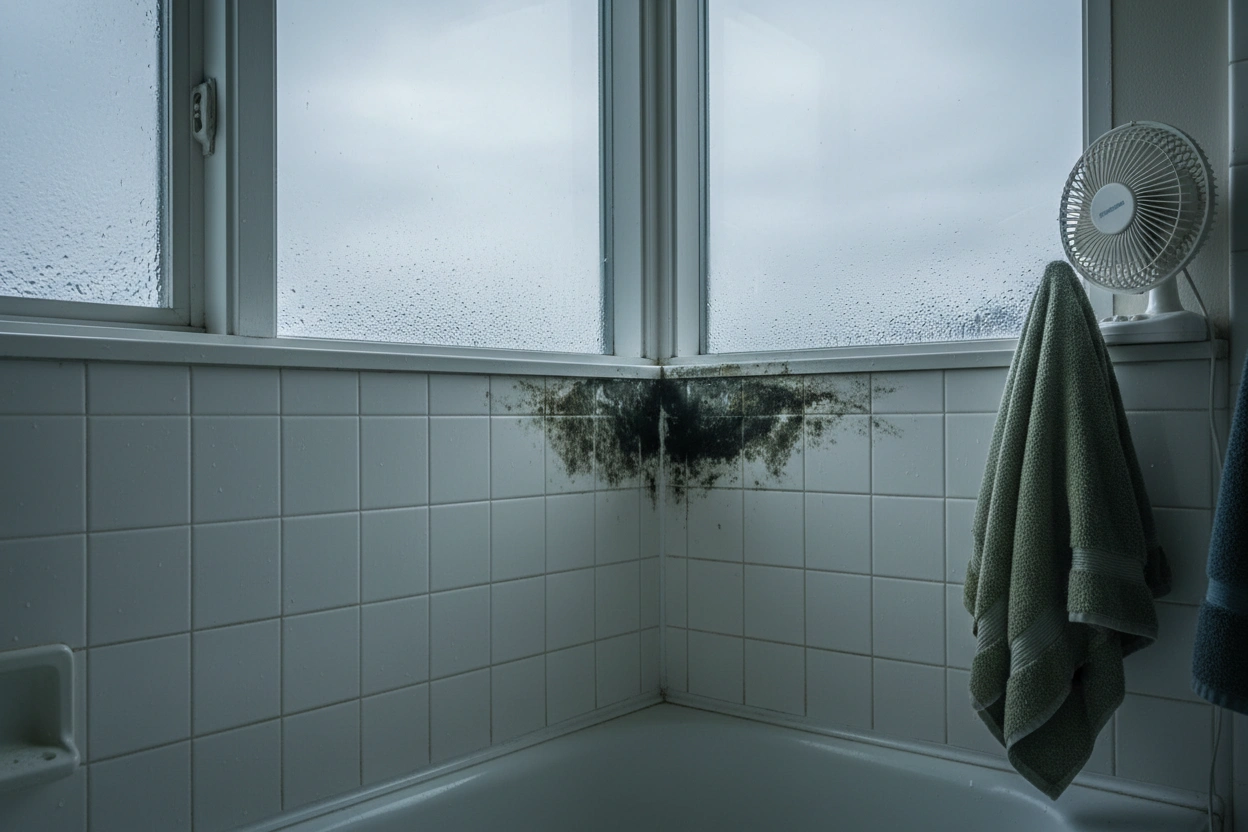
Seattle is a city defined by its stunning evergreen landscapes, but the same persistent cloud cover and geographic features that keep the region lush also create a significant challenge for property owners. The lack of consistent, direct sunlight in many residences acts as a primary catalyst for the growth of mold and mildew. We are going to explore the biological relationship between limited light and fungal proliferation, and how landlords can implement strategic maintenance to keep their properties healthy in the Pacific Northwest shadows.
The Biological Link Between Darkness and Fungal Growth
Mold and mildew are opportunistic organisms that require three basic ingredients to thrive: organic food sources, moisture, and a lack of ultraviolet (UV) radiation. Sunlight is nature's most effective disinfectant; UV rays naturally inhibit the reproductive cycles of mold spores and help evaporate surface moisture. In Seattle, where cloud cover can persist for weeks, homes often lack this natural defense. This creates a stable, dark environment where spores can settle and colonize without disruption.
In many compact Seattle apartments or older homes with smaller windows, entire rooms can remain in a state of perpetual twilight. Without the drying power of the sun, even minor amounts of humidity from daily activities—like breathing or cooking—accumulate on walls and ceilings. This moisture remains trapped in the building's "micro-climate," providing the consistent hydration mold needs to grow in as little as 24 to 48 hours. Understanding that darkness is a structural vulnerability allows landlords to move toward more aggressive moisture-management strategies.
High-Risk Areas for Light-Deprived Mold
- North-Facing Walls: These surfaces receive the least amount of direct sun and often remain colder and damper than the rest of the building.
- Behind Heavy Drapery: Thick curtains intended to keep out the chill also block light and air from reaching window glass, creating a perfect incubation zone for mildew.
- Closets and Storage Nooks: Enclosed spaces with zero light and stagnant air are often the first places where musty odors and early colonization appear.
- Basements and Sub-Grade Units: These areas naturally struggle with light and are prone to subterranean moisture infiltration.
Implementing Structural Solutions to Maximize Light and Air
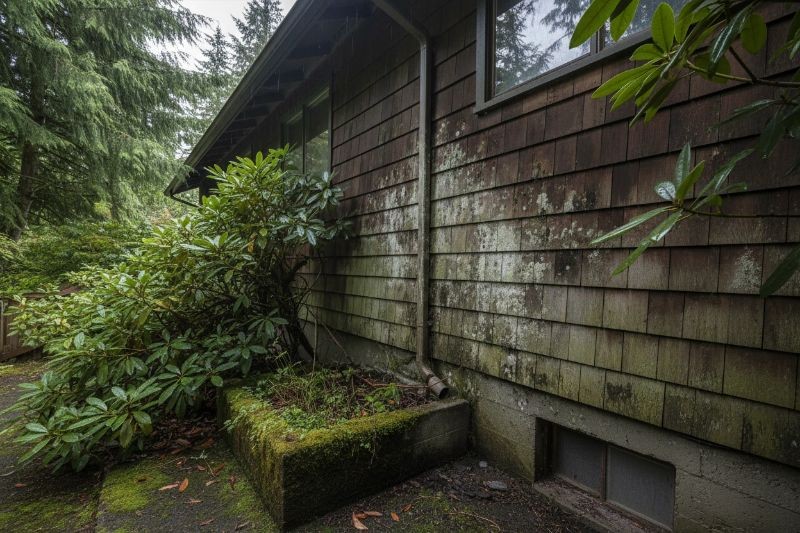
While you cannot change the Seattle weather, you can modify the building to better resist its effects. One of the most effective strategies is to optimize the "reflectivity" of the interior. Using light-colored, antimicrobial paints helps bounce what little natural light is available into the darker corners of a room. Additionally, ensuring that landscaping is trimmed away from windows—a core part of the physical upkeep of the home—allows every possible ray of sunlight to enter the unit.
Ventilation must work overtime in homes with limited sunlight. Mechanical systems, such as high-efficiency bathroom fans and kitchen hoods, are essential for removing the moisture that the sun cannot evaporate. Property specialists should regularly audit these systems to ensure they are moving the correct volume of air. This proactive property care is a hallmark of the service provided by RentalRiff, which focuses on preventative maintenance to ensure that the building's physical health isn't compromised by regional environmental factors.
Light and Air Optimization Tactics
- Pruning Overhangs: Trimming trees and bushes that block sunlight from reaching windows and exterior walls.
- Reflective Interior Finishes: Using satin or semi-gloss paints that help distribute light further into the living space.
- Strategic Furniture Placement: Advising tenants to keep large furniture away from north-facing exterior walls to prevent dark, stagnant air pockets.
- Skylight and Solatube Installation: For top-floor units or single-family homes, adding natural light via the roof can transform a damp unit into a dry one.
The Role of Dehumidification in Light-Starved Units
In the absence of solar drying, mechanical dehumidification becomes a non-negotiable tool for Seattle landlords. Maintaining indoor relative humidity between 30 and 50 percent is the gold standard for preventing mold growth. For properties that are particularly prone to dampness due to their orientation or lack of windows, providing a high-quality dehumidifier as part of the unit's amenities can save thousands of dollars in future mold remediation costs.
This is a strategic move that pays for itself through asset preservation. By lowering the moisture load in the air, you ensure that even the darkest corners of the apartment remain below the threshold for fungal growth. This level of ad-hoc maintenance and repairs—addressing the environment before a break occurs—is the signature of a sophisticated landlord. RentalRiff supports this model by offering local specialists who can perform humidity audits and recommend the best mechanical solutions for your specific property.
Enhancing Tenant Support and Communication for Mold Prevention
The battle against mold in a dark climate is a shared responsibility between the landlord and the resident. Masterful property management involves maintaining a professional line of tenant support and communication to explain the "why" behind certain house rules. For example, educating a tenant on why they should leave bathroom fans running for twenty minutes after a shower helps them understand their role in protecting the home.
When a tenant reports a musty smell or a small spot of mildew, the response must be immediate and professional. 24/7 maintenance requests ensure that a specialist can investigate the source—whether it's a lack of light, a hidden leak, or a failing ventilation fan—before it becomes a health hazard. RentalRiff serves as the primary contact for these interactions, managing the logistics of repair coordination so that the owner stays in control without the daily stress of mold management.
Proactive Tenant Education Points
- The "Window Crack" Rule: Encouraging a few minutes of daily fresh air exchange, even in winter.
- Curtain Management: Explaining the importance of opening drapes during daylight hours to let UV rays hit the glass.
- Moisture Reporting: Teaching tenants that reporting a small damp spot early is a sign of a good resident, not a nuisance.
- Cleaning Protocols: Providing guidance on using safe, anti-fungal cleaners on high-risk surfaces during regular cleaning.
Protecting Property Value Through Professional Audits
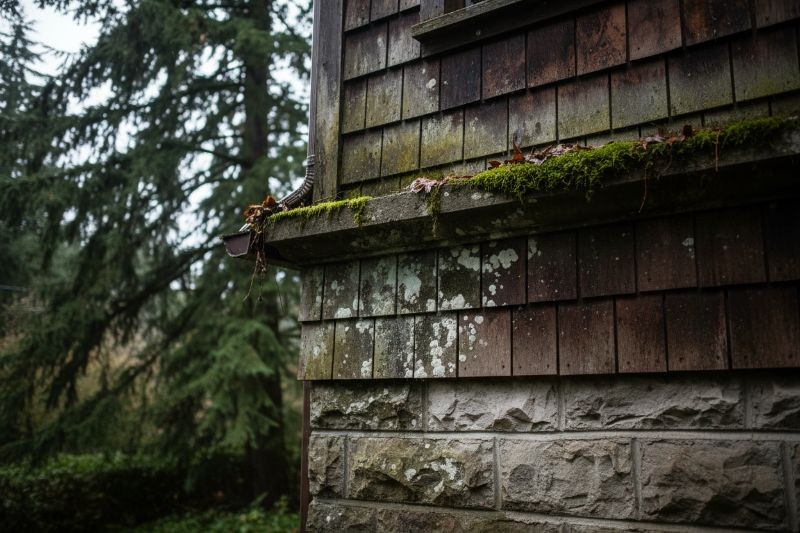
A rental profit audit should always account for the cost of environmental maintenance. In Seattle, this means budgeting for regular inspections of the building envelope, roof, and crawl spaces. If a property is consistently dealing with mold issues, it may indicate a need for deeper interventions, such as improved exterior drainage or more robust insulation. Addressing these silent issues early is the only way to protect the long-term value of your investment.
Turnover services provide an ideal window to perform a deep-dive mold audit. When the unit is empty, specialists can check behind appliances and inside closets for any signs of hidden growth. Delivering a clean, dry unit to a new tenant sets a high standard for the residency and helps ensure that the property remains a high-value asset in your portfolio. By focusing on the physical health of the building, you reduce your liability and increase your chances of effortless lease renewals.
Future-Proofing Your Seattle Real Estate Assets
Limited sunlight is a permanent feature of the Seattle landscape, but it does not have to be a threat to your properties. Through a combination of light optimization, mechanical ventilation, and proactive tenant communication, you can create a resilient environment that remains mold-free year-round. Your commitment to professional maintenance standards is the best defense against the dampness of the Pacific Northwest.
Whether you are managing a vintage craftsman or a modern micro-studio, the principles of mold prevention remain the same. Stay ahead of the moisture, utilize the right specialists for the job, and keep your communication channels open. With a focus on the unique challenges of the Seattle climate and a dedication to quality upkeep, you can build a rental business that is both profitable and healthy for decades to come.