

Living at high altitude presents unique challenges, especially when it comes to HVAC systems. For property owners in Denver, understanding how altitude affects heating and cooling systems is essential for maintaining comfort and efficiency. The thin air at higher elevations can lead to inefficiencies that impact both performance and energy consumption. In this article, we will explore how altitude affects HVAC tune-ups for Denver properties and provide essential maintenance tips for property owners.
How Altitude Affects HVAC System Performance
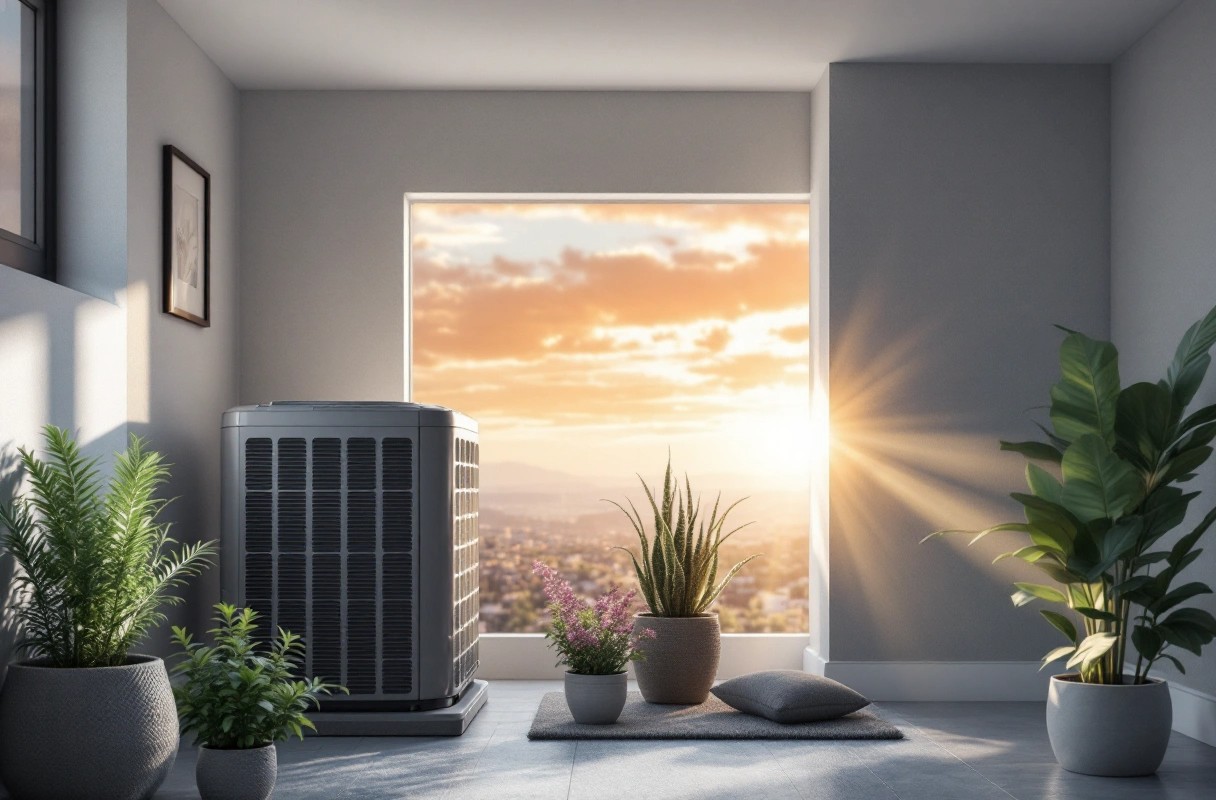
High altitude reduces air density, which significantly impacts the performance of HVAC systems. When the air is thinner, it contains less oxygen, which can affect how heating and cooling systems operate. Furnaces, for example, may struggle to produce the same amount of heat as they would at lower elevations, leading to increased energy consumption. Similarly, air conditioning units may have to work harder to cool spaces effectively, resulting in higher utility bills and potential strain on the system.
Increased energy consumption due to altitude-related inefficiencies can lead to frequent breakdowns and a shorter lifespan for HVAC systems. Property owners in Denver must recognize that standard HVAC systems may require adjustments or specialized components to function optimally at high altitudes. Understanding these factors is critical for ensuring that systems run efficiently and effectively, particularly during peak heating and cooling seasons.
Essential HVAC Maintenance Tips for High Altitude
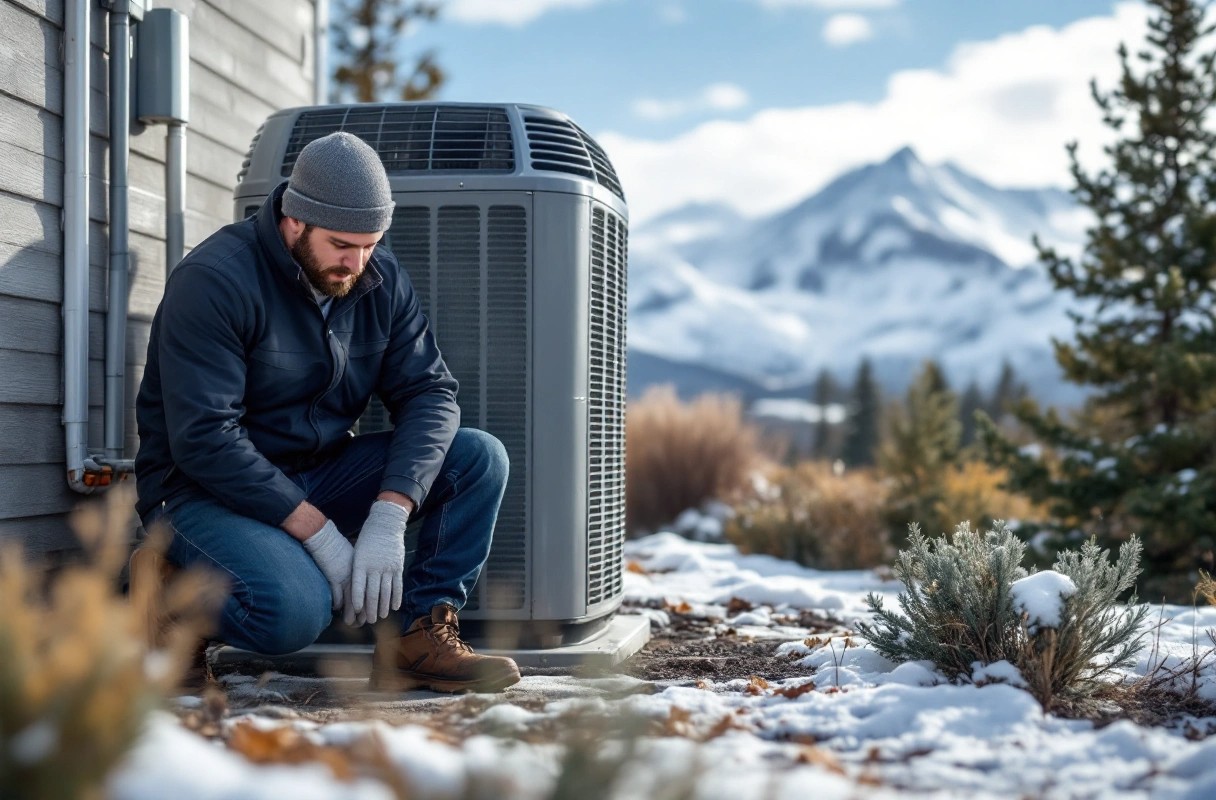
Regular tune-ups are crucial for performance and longevity, especially in the unique climate of Denver. Property owners should schedule maintenance at least once a year to ensure that their HVAC systems are operating efficiently. This maintenance should include checking and replacing air filters, cleaning coils, and inspecting ductwork for leaks. These practices can help mitigate some of the performance issues caused by high altitude, allowing systems to operate more smoothly.
Adapting maintenance practices to Denver's unique climate is also essential. For instance, during the winter months, it's important to ensure that heating systems are adequately prepared for the colder temperatures. This may involve checking the thermostat calibration and ensuring that the system is capable of maintaining comfortable indoor temperatures despite the challenges posed by high altitude. Property owners should also consider seasonal HVAC checklists to help them stay organized and proactive about maintenance tasks.
Common HVAC Repairs for Denver Properties

High altitude can lead to frequent issues with HVAC systems in Denver. Some common problems include pilot light outages in gas furnaces, reduced airflow, and inefficient cooling. These issues may arise from the strain that altitude places on HVAC components, which can lead to premature wear and tear. Property owners should be vigilant in recognizing the signs that their systems need professional attention.
Signs that your HVAC system needs professional attention include unusual noises, inconsistent temperatures, and increased energy bills. If a furnace is cycling on and off more frequently than usual, or if an air conditioning unit fails to cool effectively, these may be indicators of underlying problems that require expert diagnosis. Addressing these issues promptly can prevent more extensive repairs down the line, saving property owners both time and money.
The Importance of Professional HVAC Tune-ups
DIY maintenance may not be sufficient for ensuring the longevity and efficiency of HVAC systems, particularly in high-altitude environments. While property owners can perform basic tasks like changing air filters, complex issues often require professional expertise. HVAC technicians who are familiar with the unique challenges posed by altitude can provide valuable insights and services that are tailored to the specific needs of Denver properties.
Hiring Denver HVAC services for tune-ups offers numerous benefits, including access to specialized equipment and knowledge of local climate conditions. Professionals can identify potential problems before they escalate, ensuring that systems operate efficiently throughout the year. Regular professional maintenance can also help property owners extend the life of their HVAC systems, ultimately leading to cost savings and improved comfort for tenants.
Key Insights for Denver Property Owners
Maintaining HVAC systems at high altitude involves understanding the unique challenges posed by Denver's environment. Property owners have learned about the importance of regular maintenance, recognizing common repairs, and the value of professional tune-ups tailored to altitude. RentalRiff can assist landlords and property owners in navigating these challenges by offering expert maintenance solutions that ensure HVAC systems operate efficiently and effectively.