

Are you aware of the impact hard water can have on your plumbing fixtures? Many tenants in San Diego may not realize that the local water quality can significantly affect their daily lives and the integrity of plumbing systems. This article explores how hard water affects plumbing fixtures in San Diego, what tenants can expect, and effective solutions to mitigate these issues.
The Growing Concern of Hard Water in San Diego
Hard water is defined as water that contains a high concentration of dissolved minerals, primarily calcium and magnesium. In San Diego, this phenomenon is prevalent due to the region's geological makeup and water supply sources.
The impact of hard water on daily life is often underestimated. Many residents may notice that soap does not lather well, laundry appears dingy, and skin may feel dry after showering. However, the more significant concern lies in how hard water affects plumbing systems. Over time, mineral deposits accumulate in pipes, faucets, and appliances, leading to decreased efficiency and potentially costly repairs. Understanding the implications of hard water is essential for tenants and landlords to maintain plumbing fixtures effectively.
How Hard Water Affects Plumbing Fixtures
Hard water can lead to several common plumbing issues that tenants in San Diego should be aware of. One significant concern is the buildup of limescale, which forms when hard water evaporates and leaves mineral deposits behind. This limescale can clog pipes and restrict water flow, resulting in lower water pressure and inefficient appliance performance.
In addition to clogging pipes, hard water can cause long-term damage to plumbing fixtures and appliances. For example, faucets may develop unsightly stains and become difficult to clean, while water heaters can accumulate sediment that reduces their efficiency and lifespan. Over time, these issues can lead to significant repair costs and inconvenience for tenants. Recognizing these potential problems early can help mitigate their impact and maintain the integrity of plumbing systems.
Essential Plumbing Fixtures Maintenance Tips
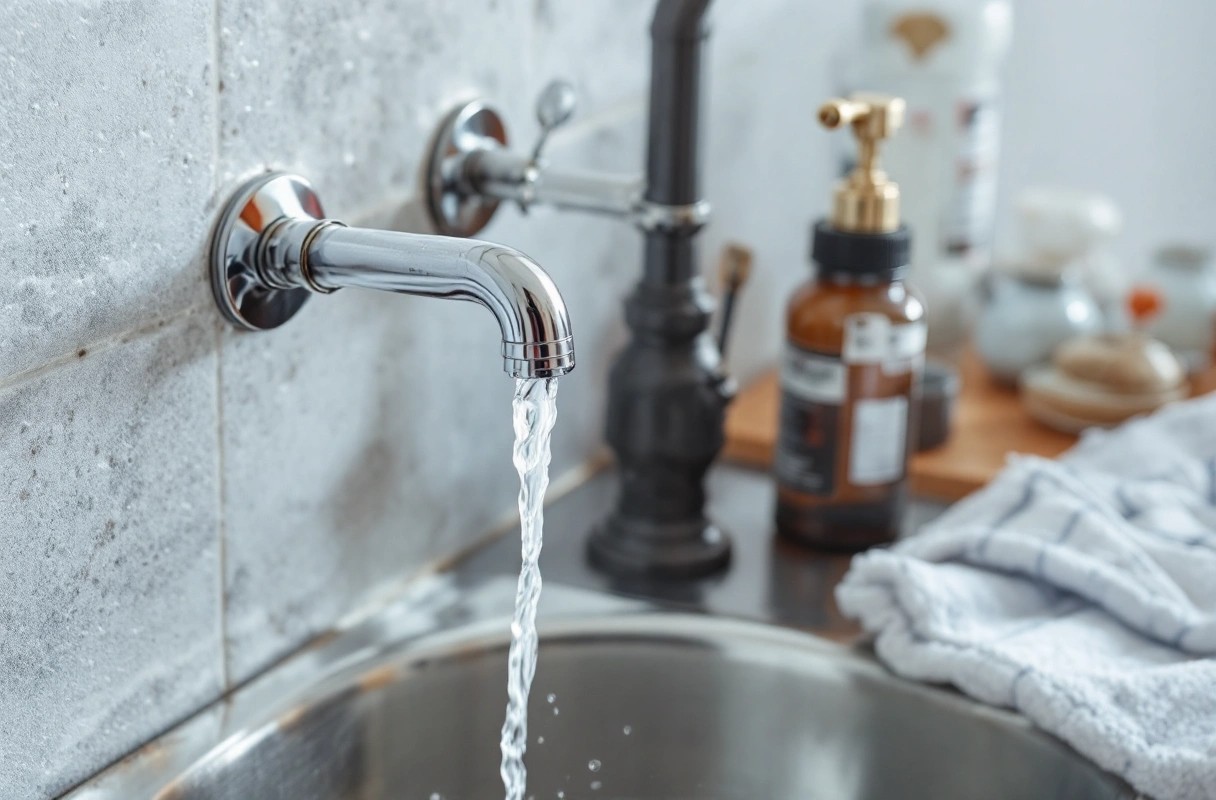
Routine maintenance is vital for preserving plumbing fixtures in areas affected by hard water. Regularly checking and cleaning fixtures can help prevent the buildup of limescale and other deposits. Here are some essential maintenance practices tenants should adopt:
- Regularly clean faucet aerators and showerheads to remove mineral buildup. Soaking them in vinegar can help dissolve limescale effectively.
- Inspect water supply lines for signs of corrosion or leaks, which can be exacerbated by hard water.
- Flush water heaters annually to remove sediment and improve efficiency.
In addition to routine maintenance, best practices for cleaning hard water stains can make a significant difference. Utilizing a mixture of vinegar and baking soda can effectively combat mineral deposits on sinks and countertops. A soft cloth or sponge is recommended to prevent scratching surfaces while cleaning. Adopting these practices can significantly extend the life of plumbing fixtures and enhance their appearance.
Tenant Rights and Responsibilities Regarding Plumbing
Understanding tenant rights in San Diego rental properties is crucial when it comes to plumbing issues caused by hard water. Tenants have the right to live in a property that is habitable, which includes having functioning plumbing systems. If hard water leads to significant plumbing issues, tenants may be entitled to request repairs or adjustments from their landlords.
However, tenants also have responsibilities regarding plumbing maintenance. If a tenant causes damage due to neglect or improper use of fixtures, they may be held liable for repairs. It's essential for tenants to communicate effectively with landlords about any plumbing concerns, ensuring that issues are addressed promptly to avoid further complications.
Solutions to Combat Hard Water Issues
Several solutions are available for tenants dealing with hard water issues. One of the most effective methods is the installation of water softeners. These devices work by replacing calcium and magnesium ions with sodium ions, significantly reducing the hardness of water. The benefits of using water softeners include improved soap lathering, cleaner dishes, and longer-lasting plumbing fixtures.
For tenants who may not be able to install a water softener, alternative solutions exist. Using descaling agents can help minimize limescale buildup in appliances, while regular cleaning with vinegar can help maintain the appearance of fixtures. Additionally, tenants can discuss with their landlords the possibility of implementing water treatment solutions to benefit the entire property.
The Intersection of Hard Water and Plumbing Maintenance in San Diego
Understanding how hard water affects plumbing fixtures is essential for tenants navigating rental properties in San Diego. Awareness of potential issues, coupled with proactive maintenance and knowledge of tenant rights, can lead to a more satisfactory living experience.
At RentalRiff, we recognize the challenges tenants face regarding plumbing issues and are committed to providing valuable resources and support. We encourage tenants and independent landlords to take action to mitigate hard water effects and maintain their properties effectively.