
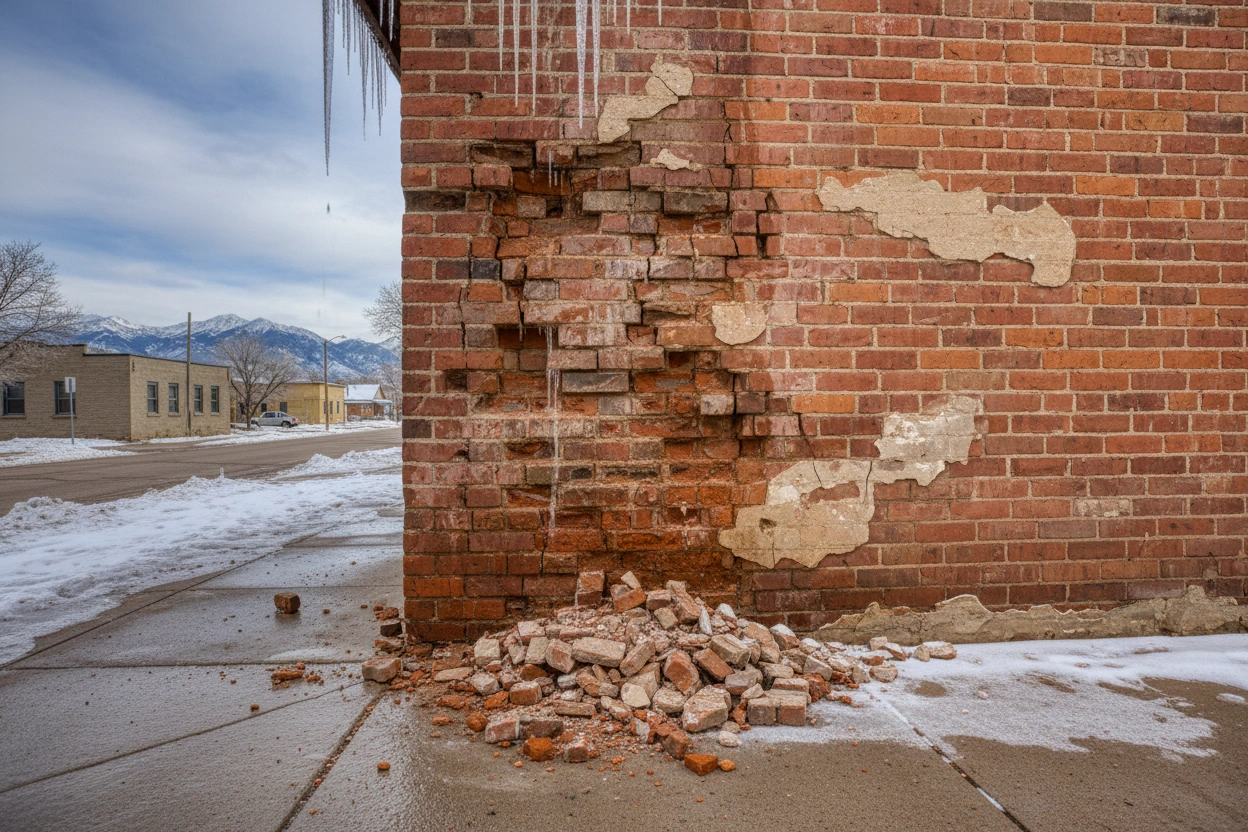
Denver is a city defined by its dramatic and rapid temperature shifts. It is not uncommon for a sunny afternoon to see temperatures in the fifties, only for a cold front to bring a hard freeze by midnight. This volatility creates a phenomenon known as the freeze-thaw cycle, which acts as a relentless mechanical force on the very materials that make up your rental properties. We are going to explore how these cycles degrade common building components and what proactive steps you can take to shield your Denver investment from the slow destruction caused by the Rocky Mountain climate.
The Physical Science of Freeze-Thaw Degradation
The primary driver of freeze-thaw damage is the simple fact that water expands by approximately nine percent when it transitions from a liquid to a solid. In a high-altitude environment like Denver, moisture from snowmelt or winter rain infiltrates the microscopic pores of building materials during the day. As the sun sets and temperatures drop below thirty-two degrees, that trapped water freezes and expands, exerting immense internal pressure on the material.
This cycle, repeated dozens of times throughout a single Colorado winter, eventually exceeds the tensile strength of materials like concrete, brick, and stone. What begins as microscopic fissures eventually manifests as visible cracks, spalling, and crumbling. For a landlord, this isn't just a cosmetic concern; it is a structural erosion that compromises the building envelope and leads to significant long-term capital expenditures if left unmanaged.
Materials Most Vulnerable to Temperature Swings
- Concrete and Masonry: Porous by nature, these materials absorb moisture that causes surface spalling and deep structural cracking when it freezes.
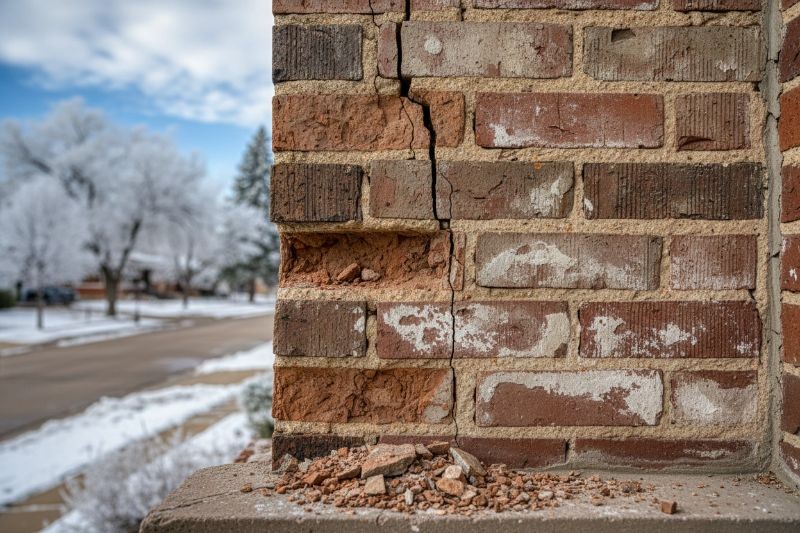
- Brick and Mortar: The joints between bricks are often the first to fail, as the mortar is softer and more susceptible to the pressure of expanding ice.
- Exterior Stucco: If water gets behind the finish through small cracks, the freeze-thaw cycle can cause large sections of the facade to delaminate and fall away.
- Asphalt Driveways: Water entering small cracks freezes and heaves the pavement, leading to the potholes and alligator cracking common in Denver parking areas.
Protecting Your Asset Through Proactive Sealing
The most effective way to combat freeze-thaw damage is to prevent moisture infiltration in the first place. This requires a rigorous commitment to sealing the property’s exterior surfaces. For concrete walkways, driveways, and stairs, applying a high-quality silane-siloxane sealer creates a hydrophobic barrier that allows the material to breathe while preventing liquid water from soaking in. This simple ad-hoc maintenance task can double the lifespan of your exterior flatwork.
Similarly, maintaining the integrity of the building’s "skin" is vital. This includes regular inspections of the caulking around windows, doors, and utility penetrations. When caulk becomes brittle and pulls away from the siding, it creates a direct path for water to enter the wall cavity. Once inside, the freeze-thaw cycle can rot the structural framing and damage the interior drywall. By utilizing trade-specific expertise to identify and seal these entry points, you protect the physical health of the home from the inside out.
High-Impact Sealing Strategies
- Masonry Water Repellents: Using breathable sealers on brick and stone to prevent "spalling" where the face of the material flakes off.
- Expansion Joint Maintenance: Ensuring the flexible joints in concrete slabs are clear of debris and filled with fresh sealant to allow for safe movement.
- Paint and Stain Integrity: Maintaining a solid film of high-quality exterior paint on wood trim to prevent moisture absorption and subsequent rot.
- Foundation Grading: Ensuring the soil slopes away from the building to prevent water from pooling against the foundation and freezing against the concrete.
Implementing a Seasonal Property Upkeep Checklist
Denver’s climate demands a specific schedule for property maintenance that aligns with the changing seasons. A proactive property care program should include a thorough "pre-winter" audit in October and a "post-winter" assessment in April. During the autumn check, the focus should be on clearing gutters and downspouts. If a gutter is clogged, water will back up under the roof shingles and freeze, creating ice dams that cause interior leaks and gutter hardware failure.
The spring audit is equally important for identifying the damage that occurred during the winter. This is the time to perform a rental profit audit of your maintenance expenses to see which properties are suffering the most from the elements. By catching a small crack in a porch or a loose piece of flashing in April, you can perform the necessary repairs during the dry summer months, ensuring the property is reinforced before the next cycle begins. RentalRiff supports this model by providing local specialists who handle these recurring checks and 24/7 maintenance requests, keeping independent landlords ahead of the decay.
Critical Winter Transition Tasks
- Gutter and Downspout Clearing: Preventing the "ice dam" effect that ruins roofs and gutters.
- Exterior Faucet Winterization: Draining lines to prevent the pipe bursts that occur when water freezes inside the plumbing.
- Roof and Flashing Inspection: Checking for loose or damaged materials that could allow snowmelt into the attic.
- Sump Pump Verification: Ensuring that as the snow melts in the spring, your drainage systems are ready to move water away from the basement.
Strategic Materials for Future Upgrades
If you are performing turnover services or a major renovation, consider upgrading to materials specifically designed for the Denver climate. Modern building science has led to the development of fiber-cement siding and high-density composite decking that are virtually impervious to the freeze-thaw cycle. Unlike wood or traditional stucco, these materials do not absorb moisture and are not subject to the same internal pressures when temperatures fluctuate.
While the initial cost of these premium materials may be higher, they significantly lower your long-term maintenance overhead. A property that requires fewer ad-hoc maintenance and repairs is a property that generates a more stable and predictable return on investment. By focusing on the physical upkeep of the home with durable materials, you position your rental to thrive in the Mile High City for decades.
Leveraging Professional Support for Climate Resilience
Managing a Denver rental involves a constant battle against the elements. For the self-managed landlord, staying on top of the physical demands of freeze-thaw cycles can be a full-time job. This is where the professional specialist model becomes invaluable. Having a primary contact for tenant support and communication ensures that any signs of weather-related damage are reported and addressed immediately.
RentalRiff offers a cost-effective alternative to full-service management by focusing specifically on the maintenance and repairs that protect your asset's value. Their specialists understand the local climate and know exactly what to look for to prevent freeze-thaw catastrophes. By delegating the logistics of property care to experts, you can focus on the growth of your portfolio while knowing your buildings are prepared for whatever the Denver weather brings.
Securing Your Investment Against the Colorado Cold
The freeze-thaw cycle is a fact of life in Denver, but it does not have to be a destructive one for your real estate business. Through a combination of proactive sealing, seasonal inspections, and the use of climate-resilient materials, you can mitigate the impact of the elements. Your commitment to professional maintenance standards is the best way to ensure your properties remain safe, attractive, and profitable year after year.
Whether you are managing a historic home in Baker or a new build in Stapleton, protecting your building materials is an investment in your financial future. Stay proactive, utilize the right specialists, and keep your communication channels open with your tenants. With a focus on the physical health of your home and a respect for the power of the Colorado winter, you can build a resilient rental business that stands the test of time.