

The unique climate of Denver can pose significant challenges for hardwood floors. With its high elevation and arid conditions, the city experiences low humidity levels that can negatively impact wood flooring. This article explores how Denver's dry air affects hardwood floors in rental properties and offers practical tips for maintenance, ensuring that landlords can preserve their investments and provide a comfortable living environment for tenants.
The Unique Climate of Denver and Its Effects on Wood Flooring

Denver's climate is characterized by its semi-arid environment, leading to humidity levels that often fall below 30%. This dry air can have a profound impact on hardwood floors, which are naturally sensitive to changes in moisture. When the humidity is low, wood tends to lose moisture, causing it to shrink. This shrinkage can lead to a variety of issues, making it essential for property owners to understand how Denver’s dry air affects hardwood floors in rental properties.
The impact of humidity levels on wood floors is significant. As wood loses moisture, it can warp, crack, or develop gaps between floorboards. These changes not only compromise the aesthetic appeal of the flooring but can also lead to costly repairs if left unaddressed. Understanding these effects is critical for property owners who wish to maintain the integrity and appearance of their hardwood floors amidst Denver's challenging climate.
Identifying Common Problems Caused by Dry Air
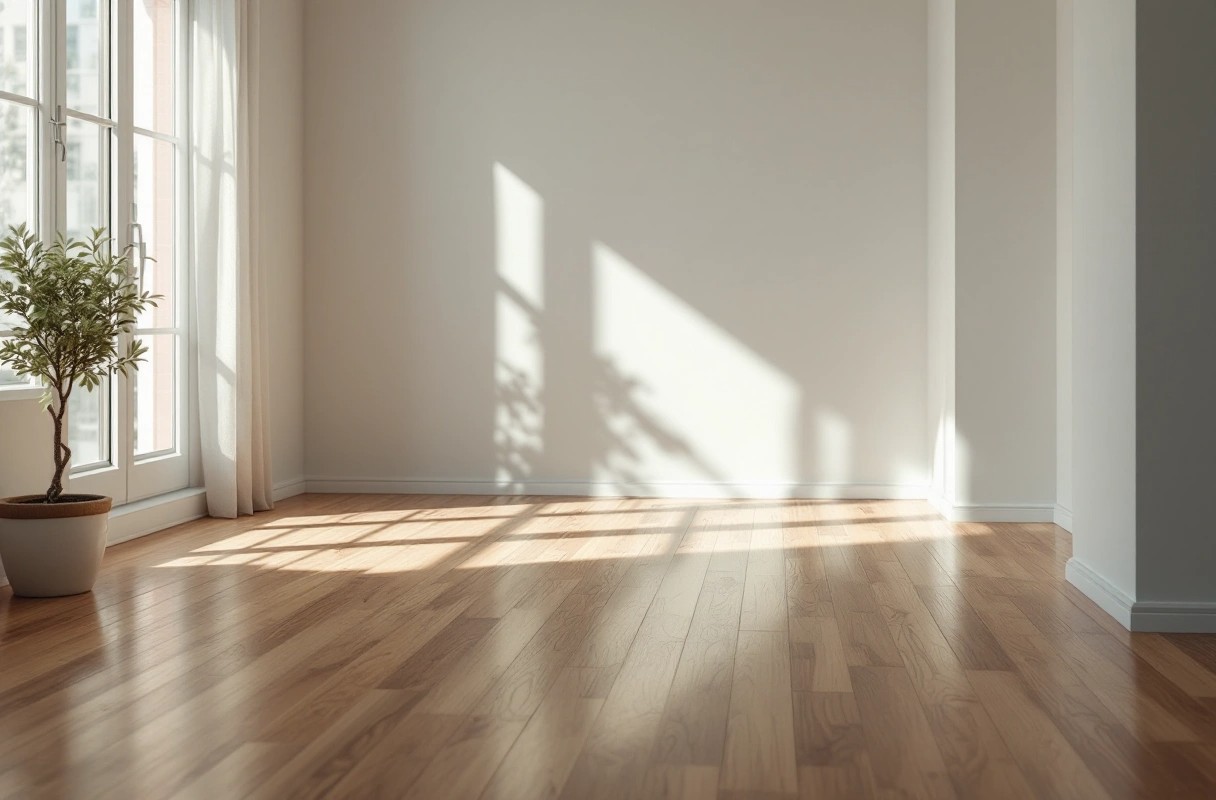
The effects of dry air on wood can manifest in several ways, with two of the most common problems being cracking and warping of hardwood floors. Cracking occurs when the moisture content in the wood drops too low, leading to visible fissures that can detract from the floor's beauty. Warping, on the other hand, refers to the bending or twisting of wood planks, which can create uneven surfaces and pose tripping hazards.
Another issue that often arises in dry conditions is the formation of gaps between floorboards. As individual planks shrink, the spaces between them widen, resulting in an unsightly appearance. These gaps can also allow dust and debris to accumulate, making cleaning more difficult. Identifying these common problems early on can help landlords take preventive measures and avoid more extensive repairs down the line.
Essential Maintenance Strategies for Hardwood Floors
To ensure the longevity of hardwood floors in rental properties, regular maintenance is essential. One effective strategy is to establish a cleaning routine that includes sweeping or vacuuming to remove dirt and debris. Using a damp mop with a suitable hardwood floor cleaner can help maintain the finish without introducing excess moisture, which can lead to damage.
Maintaining humidity levels is equally important in the care of hardwood floors. Investing in a humidifier can help counteract the effects of Denver's dry air by adding moisture to the environment. Property owners should aim for indoor humidity levels between 30% and 50% to minimize the risk of damage to their flooring. Regularly monitoring humidity levels with a hygrometer can provide valuable insights and help landlords make necessary adjustments.
Expert Recommendations for Hardwood Floor Care
Homeowners should follow best practices for hardwood floor care to keep their properties in top condition. This includes using protective pads under furniture to prevent scratches and avoiding the use of harsh chemicals that can strip the finish. It is advisable to place area rugs in high-traffic areas to reduce wear and tear on the flooring.
Professional care options are also available for landlords who may not have the time or expertise to perform maintenance themselves. Hiring a professional cleaning service that specializes in hardwood floors can ensure that the flooring is properly cared for. Additionally, scheduling periodic inspections can help identify potential issues before they escalate, allowing for timely repairs.
Preparing for Hardwood Floor Installation in Dry Conditions
When considering hardwood floor installation in Denver, there are several factors to keep in mind. It is essential to choose materials that are specifically designed to withstand dry conditions. Engineered hardwood, for instance, tends to be more stable than solid wood and is less likely to warp in response to changes in humidity.
Before installation, it is also crucial to acclimate the wood to the indoor environment. This process involves allowing the wood to sit in the space where it will be installed for a period, typically between 48 to 72 hours. Acclimation helps to ensure that the wood adjusts to the humidity levels of the property, reducing the likelihood of issues after installation.
Maintaining Hardwood Floors in Denver’s Dry Climate
Understanding how Denver’s dry air affects hardwood floors in rental properties is essential for property owners who wish to maintain their investments. By implementing effective maintenance strategies, identifying common problems, and following expert recommendations, landlords can ensure their hardwood floors remain beautiful and functional for years to come.
Contact RentalRiff today to learn how we can assist you with your property management needs and help you maintain your rental properties to the highest standards.