

In October, you should schedule a full heat pump changeover before heating season begins. Switch your thermostat from cooling to heating mode and run a test cycle to confirm your reversing valve is functioning. Inspect and clean both coils, replace clogged filters, and check for refrigerant issues or compressor irregularities. Mild October temperatures let you catch failures under real load conditions without emergency pressure. Everything you need to schedule this correctly is covered below.
Key Takeaways
- October's mild temperatures allow landlords to test heat pump heating mode under real conditions without risking mid-freeze failures or tenant discomfort.
- Inspect and replace clogged air filters and clean indoor and outdoor coils to maintain efficiency before heavy heating season use.
- Switch thermostats from cooling to heating mode and run a test cycle to identify refrigerant pressure problems or reversing valve faults.
- Watch for refrigerant leaks, compressor failure signs, or cold air in heating mode, as these may require capital replacement decisions.
- Schedule technician access with tenants at least one week ahead, offering multiple time slots to minimize disruption and cancellations.
What a Heat Pump Changeover Actually Involves
A heat pump changeover is the system's switch between heating and cooling modes, controlled by a reversing valve that redirects refrigerant flow through the refrigerant circuit. In cooling mode, the outdoor coil acts as the condenser; in heating mode, it acts as the evaporator. The reversing valve shifts this process when your thermostat signals a mode change.
Understanding heat pump basics helps you anticipate what seasonal maintenance should include. During October, the changeover to heating mode puts new demands on the compressor, refrigerant charge, and coil condition. If the reversing valve sticks or the refrigerant pressure is off, your system won't transfer heat efficiently. Scheduling a technician to verify the valve operation, check refrigerant levels, and inspect coil surfaces before temperatures drop prevents mid-season failures. As part of this seasonal visit, technicians should also lubricate moving parts and clear any debris from around the outdoor unit to ensure the system transitions into heating mode without added mechanical strain.
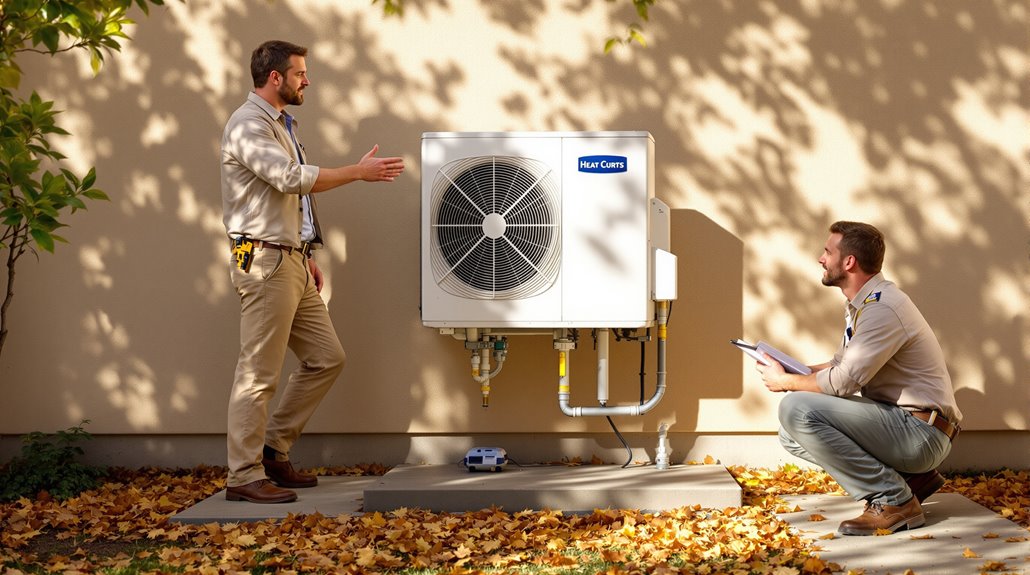
Why October Is the Right Window in Mild Climates
October sits in a sweet spot for mild-climate markets like Seattle, Portland, and Denver—temperatures are cooling but haven't bottomed out, which means your heat pump can be tested in heating mode under real load conditions without the risk of a mid-freeze failure if something needs repair. That buffer is what makes October the ideal timing for changeover scheduling.
Technicians can identify refrigerant pressure issues, reversing valve lag, or defrost cycle irregularities while repair windows are still open. Wait until November, and contractor availability tightens as emergency calls spike. Schedule too early, and heating mode testing lacks meaningful load data. October delivers the diagnostic conditions needed to confirm seasonal efficiency before tenants start depending on consistent heat output through the colder months ahead. Working with a property specialist with maintenance expertise spanning crawl space to attic ensures that heat pump diagnostics are handled by someone familiar with the full scope of a rental property's mechanical systems.
The October Heat Pump Checklist for Landlords
When October arrives, start your changeover by inspecting and replacing air filters, since a clogged filter forces the system to work harder and reduces efficiency heading into heating season. Next, check both the indoor and outdoor coils for dirt, debris, or biological growth that could restrict airflow or degrade heat transfer. Finally, switch the thermostat from cooling to heating mode and run a test cycle to confirm the system responds correctly before your tenants need it in earnest. Logging these inspections through a digital maintenance portal eliminates handwritten notes and ensures no seasonal task goes unaddressed across your portfolio.
Filter and Coil Checks
Two components demand your attention before heating season kicks in: the air filter and the evaporator and condenser coils. Filter maintenance is straightforward—inspect the filter and replace it if it's clogged or hasn't been swapped within three months. A restricted filter forces the system to work harder, reducing efficiency and stressing the blower motor. Homes with shedding pets should be checked more often, as pet hair and dander can clog filters significantly faster than in pet-free units.
Coil cleaning requires more precision. Dirty evaporator coils impair heat transfer and can cause the system to short-cycle. Condenser coils exposed to outdoor debris accumulate dust, cottonwood, and organic buildup over the warmer months. Clean both sets using a coil cleaner approved for heat pump systems. Avoid high-pressure water on the evaporator. If coil access is limited, schedule a technician to handle this step before temperatures drop.
Thermostat Mode Switching
Switching the thermostat from cooling to heating mode is a three-step process tenants often overlook or execute incorrectly. First, set the system switch from "Cool" to "Heat." Second, raise the setpoint at least three to five degrees above the current indoor temperature to trigger the compressor. Third, verify the thermostat calibration by confirming the displayed temperature matches an independent thermometer reading within one to two degrees.
Skipping thermostat calibration causes the system to short-cycle or run continuously, undermining energy efficiency and accelerating component wear. If your thermostat is Wi-Fi enabled, confirm the scheduling program reflects heating season hours before winter demand peaks. Document the switchover date and any calibration discrepancies, then share that record with your property specialist for follow-up if issues arise. Scheduling this October switchover as part of a planned, proactive maintenance routine rather than waiting for heating failures can prevent emergency repair costs that often reach $400–$1,000 for HVAC systems alone.
When Your Heat Pump Needs More Than a Tune-Up
Sometimes a tune-up reveals problems that routine maintenance can't fix—refrigerant leaks, failing compressors, cracked heat exchangers, or deteriorating electrical components that signal deeper system failure. When you're facing repair costs that approach or exceed 50% of a replacement unit's price, replacement typically makes more financial sense, especially on systems older than 10–15 years. Knowing how to read these warning signs and run the numbers will help you make a faster, smarter call before your tenants lose heat or cooling mid-season. At higher elevations, these issues can compound further, as increased HVAC cycling caused by thinner air accelerates wear on already-stressed components.
Recognizing Serious System Issues
While seasonal changeovers surface most heat pump issues, some problems signal deeper system failures that routine maintenance won't fix. Watch for these critical maintenance indicators during October inspections:
- Refrigerant leaks: Oily residue near line sets or ice buildup on the coil indicates low charge—a recharge without locating the leak is a temporary fix.
- Compressor failure: Hard starting, loud clanking, or tripped breakers under load point to compressor deterioration.
- Reversing valve faults: If the system blows cold in heat mode or vice versa, the reversing valve may be stuck or failing.
- Declining system performance despite clean filters and coils: Degraded efficiency often reflects internal mechanical wear.
These symptoms require diagnostic evaluation, not tune-ups. Catching them in October keeps tenants from losing heat mid-winter. Addressing these issues promptly also matters beyond tenant comfort—unreliable heating systems are a leading driver of tenant turnover, which directly impacts your rental income and long-term property value.
Repair Versus Replacement Decisions
When diagnostics point to compressor failure, refrigerant leaks, or reversing valve faults, you're no longer dealing with a maintenance decision—you're dealing with a capital decision. Use repair indicators like system age, efficiency ratings, and repair-to-replacement cost ratios to guide your choice. The standard threshold: if repair costs exceed 50% of replacement costs, replacement wins.
For units older than 12–15 years, that math rarely favors repair. Newer systems operating outside normal parameters may still justify targeted repairs if the failure is isolated and the refrigerant is current-generation.
Factor in tenant comfort timelines and seasonal demand. October replacements in mild climates avoid peak contractor backlogs. Delaying the decision doesn't reduce replacement costs—it adds emergency service premiums to them. Beyond the capital decision itself, tenant satisfaction and retention should weigh into your timeline—tenants left without reliable heating are unlikely to renew leases, compounding the financial impact of a delayed replacement.
The Real Cost of Skipping Heat Pump Maintenance
Skipping annual heat pump maintenance might seem like an easy way to cut costs, but the financial consequences tend to compound quickly. Neglected systems run less efficiently, driving up tenant energy bills and increasing friction with occupants. Dirty coils, clogged filters, and low refrigerant levels force the compressor to work harder, accelerating wear on components that are expensive to replace. The cost implications become significant when you factor in emergency service calls, which typically run two to three times standard maintenance rates. Reduced maintenance frequency also shortens equipment lifespan, meaning you'll face full replacement years earlier than necessary. A heat pump that receives consistent seasonal servicing can last 15 to 20 years. One that doesn't may fail well before the 10-year mark.
How to Schedule Heat Pump Changeover Without Disrupting Tenants
Timing is everything when scheduling a heat pump changeover in an occupied rental. Coordinate directly with your tenant at least one week in advance to confirm access and minimize disruption. Prioritize mid-morning appointments on weekdays when most tenants are away from the property. Keep the service window tight—a standard changeover typically requires 30 to 60 minutes.
Tenant communication should be clear and specific: provide the date, estimated duration, and technician's name beforehand. Avoid scheduling during extreme weather shifts when tenants depend most on climate control.
Scheduling flexibility matters when tenants work irregular hours or have children at home. Offering two or three time-slot options increases cooperation and reduces last-minute cancellations. Document confirmed appointment details in writing to protect both parties if disputes arise.
Frequently Asked Questions
Can Tenants Request Heat Pump Servicing Directly Without Contacting Their Landlord?
Yes, if you're a RentalRiff tenant, you can handle direct communication with your dedicated property specialist regarding heat pump servicing, bypassing your landlord while still fulfilling your tenant responsibilities efficiently.
Does a Heat Pump Warranty Cover Repairs Found During Seasonal Changeover Visits?
Warranty coverage varies by manufacturer—it typically won't cover repairs found during seasonal inspections if improper maintenance caused the issue. You'll need to review your unit's specific warranty terms to determine what's included or excluded.
How Long Does a Typical Heat Pump Last in Mild Pacific Northwest Climates?
In mild Pacific Northwest climates, your heat pump lifespan typically runs 15–20 years. Climate impact here works in your favor—moderate temperatures reduce system stress, meaning you'll see less wear compared to harsher regions.
Are Landlords Legally Required to Maintain Functional Heating Systems for Tenants?
Yes, you're legally required to meet heating regulations in most states. Tenant obligations include providing functional heating systems year-round. Washington, Oregon, and Colorado codes mandate minimum temperature standards, so you must maintain your heat pump proactively.
Can Heat Pump Maintenance Costs Be Deducted as a Rental Property Tax Expense?
Yes, you can deduct heat pump maintenance expenses as rental property tax deductions. They qualify as ordinary business costs. Consult a tax professional to confirm you're categorizing repairs versus capital improvements correctly on your return.
Conclusion
Don't wait until your tenants are calling about a cold unit in December. Schedule your heat pump changeover in October, before maintenance slots fill up and temperatures drop. Work through the checklist systematically — filters, refrigerant levels, reversing valve function, thermostat calibration, and electrical connections. If you catch a failing component now, you'll replace it on your terms, not during an emergency. Proactive scheduling is how you protect your asset and keep your tenants comfortable.