
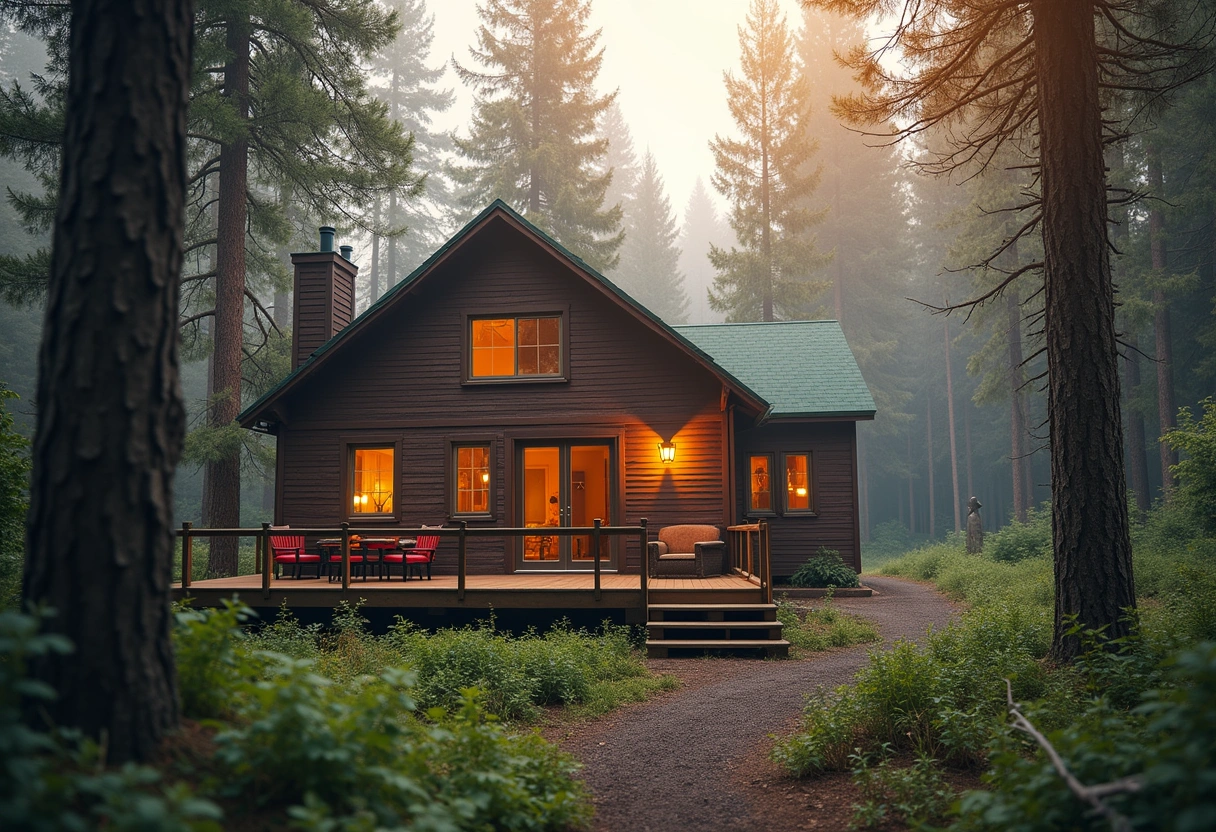
As wildfire risks increase, ensuring the safety of rental properties in Central Oregon's forest zones has never been more critical. With the region's unique climate and terrain, landlords must take proactive steps to protect their investments and the safety of their tenants.
The Importance of Fire Safety in Forest Zones
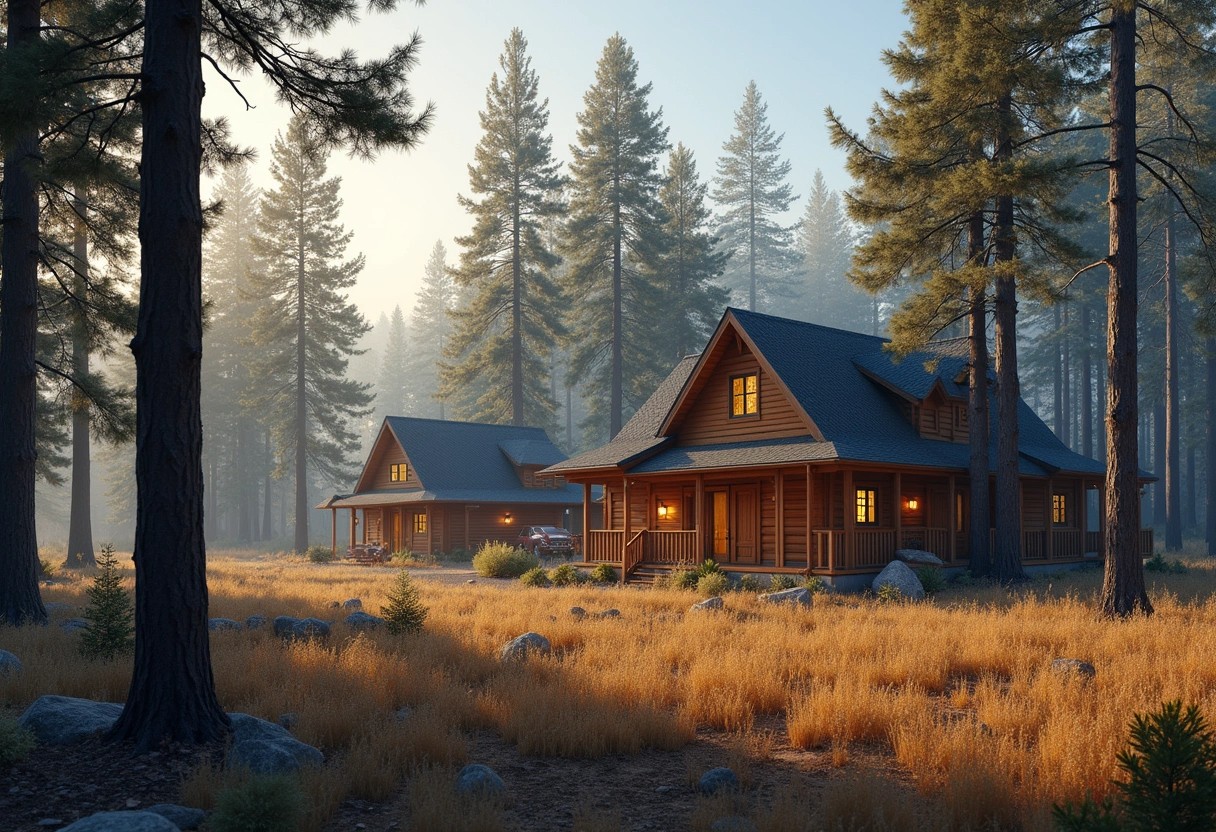
Understanding the unique fire risks in Central Oregon is essential for anyone managing rental properties in this area. The combination of dry summers, dense vegetation, and occasional high winds creates an environment where wildfires can spread rapidly. In 2023, for instance, Central Oregon experienced several significant wildfires that devastated both residential and commercial properties, underscoring the need for vigilant fire safety measures.
The impact of wildfires on rental properties can be catastrophic. Not only can they lead to the total loss of structures, but they also pose serious risks to tenant safety and can result in substantial financial losses for property owners. In addition to physical damage, the aftermath of a wildfire can complicate property insurance claims and lead to increased premiums. Therefore, prioritizing fire safety is not merely a legal obligation but a crucial aspect of responsible property management in forest zones.
Choosing Fire-resistant Materials for Exteriors
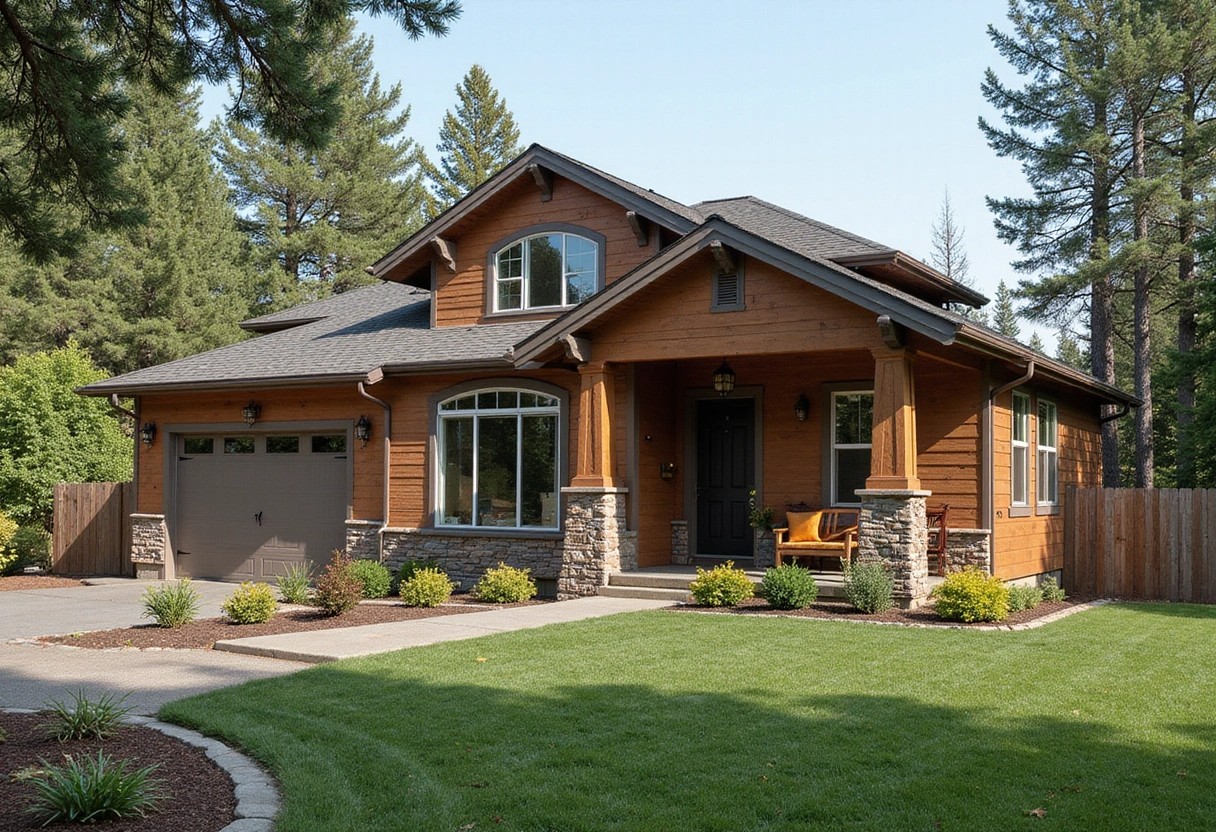
Using fire-resistant materials is one of the most effective ways to enhance the safety of rental properties in forest zones. These materials can significantly reduce the risk of ignition from embers or direct flames. One of the key benefits of fire-resistant materials is their ability to withstand high temperatures, thereby providing additional time for occupants to evacuate if necessary.
Common materials recommended for exterior use include:
- Fiber-cement siding: Known for its durability and resistance to fire, fiber-cement siding can withstand temperatures up to 1,000 degrees Fahrenheit.
- Metal roofing: This option is highly fire-resistant and can prevent the accumulation of debris that might catch fire.
- Stucco: A traditional choice, stucco is non-combustible and can provide a solid barrier against flames.
- Fire-retardant-treated wood: While wood is generally flammable, treating it with fire retardants can significantly reduce its combustibility.
By selecting these materials, landlords can enhance their properties' resilience to wildfires, ensuring better protection for their tenants and investments.
Effective Exterior Fireproofing Techniques
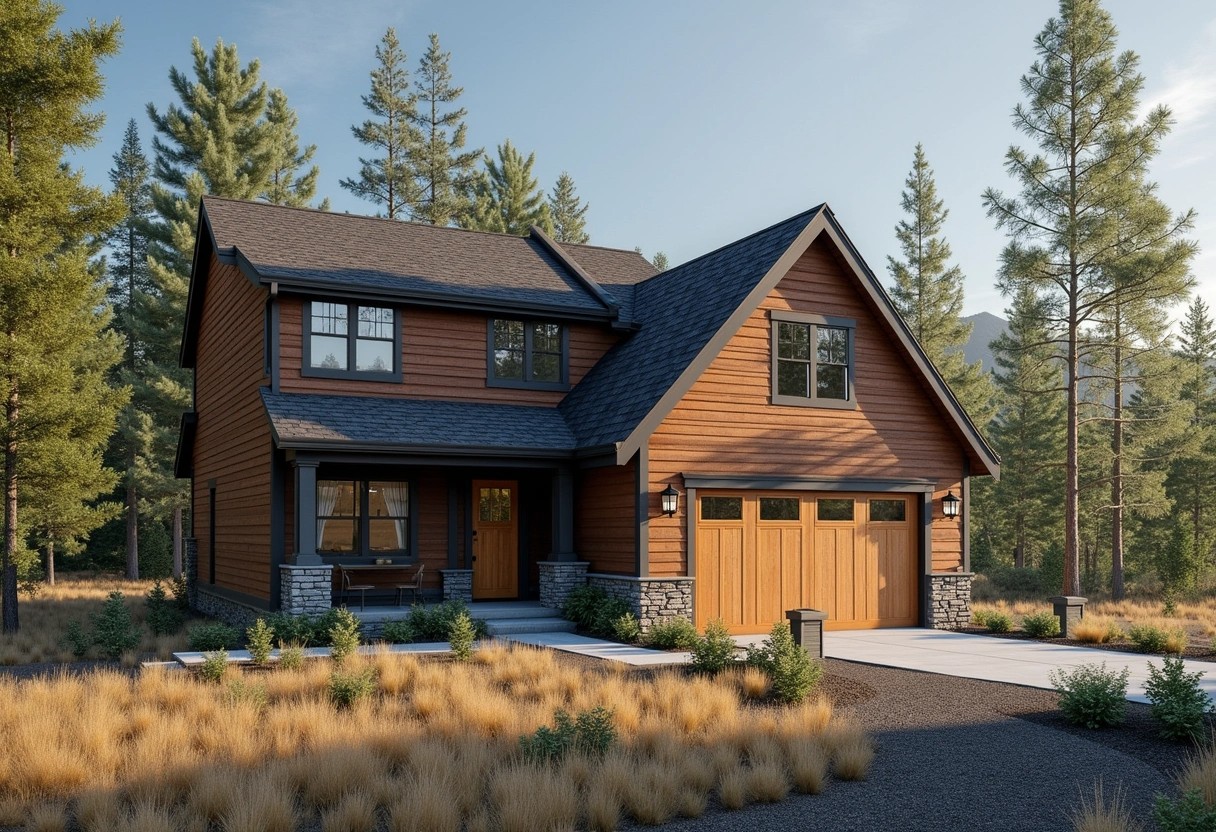
Implementing exterior fireproofing techniques is vital for enhancing the safety of rental properties in Central Oregon. Several methods can be employed to create a more fire-resistant environment.
An overview of various fireproofing techniques includes:
- Installing firebreaks: These barriers can be made from gravel or bare soil and are effective in slowing the spread of fire.
- Creating defensible space: Maintaining a defensible space of at least 30 feet around the property can help prevent fires from reaching structures. This involves clearing away dead vegetation, maintaining healthy landscaping, and ensuring that trees are trimmed and spaced appropriately.
- Sealing gaps and openings: Ensure that all gaps around vents, windows, and doors are sealed to prevent embers from entering the property.
- Using non-combustible decking: Opt for materials like composite or metal decking that do not ignite easily.
To apply these techniques effectively, landlords should conduct regular fire risk assessments and consult with fire safety professionals to tailor solutions to their specific properties.
Navigating Building Codes and Regulations
Understanding Oregon's building codes related to fire safety is crucial for landlords operating in forest zones. These codes are designed to minimize fire risks and ensure that properties meet safety standards. In 2023, new regulations were introduced that require additional fire safety measures in high-risk areas, reflecting the increasing concern over wildfire threats.
Landlords must ensure compliance with local regulations, which may include:
- Adhering to specific materials and construction techniques mandated by the state.
- Regularly updating fire safety features in accordance with evolving standards.
- Participating in community fire safety programs and trainings.
By staying informed about building codes and actively engaging with local authorities, landlords can ensure their properties remain compliant and safe.
Landscaping for Fire Mitigation
Creating defensible space around rental properties is an essential aspect of fire mitigation. This space serves as a buffer that can help prevent wildfires from spreading to structures. The role of landscape design in fire prevention cannot be overstated, as thoughtful landscaping can significantly reduce fire risks.
Effective landscaping strategies include:
- Using fire-resistant plants: Opt for low-growing, drought-resistant plants that are less likely to ignite.
- Implementing hardscaping: Incorporate non-flammable materials like gravel or pavers in landscaping designs to create barriers.
- Maintaining vegetation: Regularly prune trees and shrubs, and remove dead leaves and debris to minimize fuel sources for fires.
By employing these landscape fire mitigation techniques, landlords can further protect their properties while enhancing their overall aesthetic appeal.
Protecting Your Investment With Proper Insurance
Understanding property insurance for rentals is a fundamental aspect of protecting investments in Central Oregon's forest zones. As fire risks increase, landlords must ensure they have adequate coverage to safeguard their properties.
Choosing the right coverage involves:
- Assessing fire risk: Evaluate the level of wildfire risk associated with your property and select a policy that addresses those specific threats.
- Exploring comprehensive coverage options: Consider policies that cover not only structural damage but also personal property and loss of rental income due to fire-related incidents.
- Consulting with insurance professionals: Engage with an insurance agent who specializes in properties located in high-risk areas to ensure you understand all available options.
By securing appropriate insurance coverage, landlords can protect their investments against the devastating financial impacts of wildfires.
Enhancing Fire Safety with RentalRiff
Fireproofing rental exteriors in Central Oregon’s forest zones is not just about compliance; it's about safeguarding lives and investments. Through understanding fire risks, choosing appropriate materials, implementing fireproofing techniques, navigating regulations, and ensuring proper insurance, landlords can significantly enhance the safety of their properties.
RentalRiff is here to support independent landlords and small portfolio property owners who want professional maintenance and tenant support without the need for full-service property management. Our team can assist you in applying these fireproofing strategies effectively, ensuring your properties are not only compliant but also secure for your tenants.
For more information on how we can help you with fireproofing rental exteriors and enhancing property safety, visit our website or contact us today. Your peace of mind is our priority, and we're here to help you protect what matters most.