
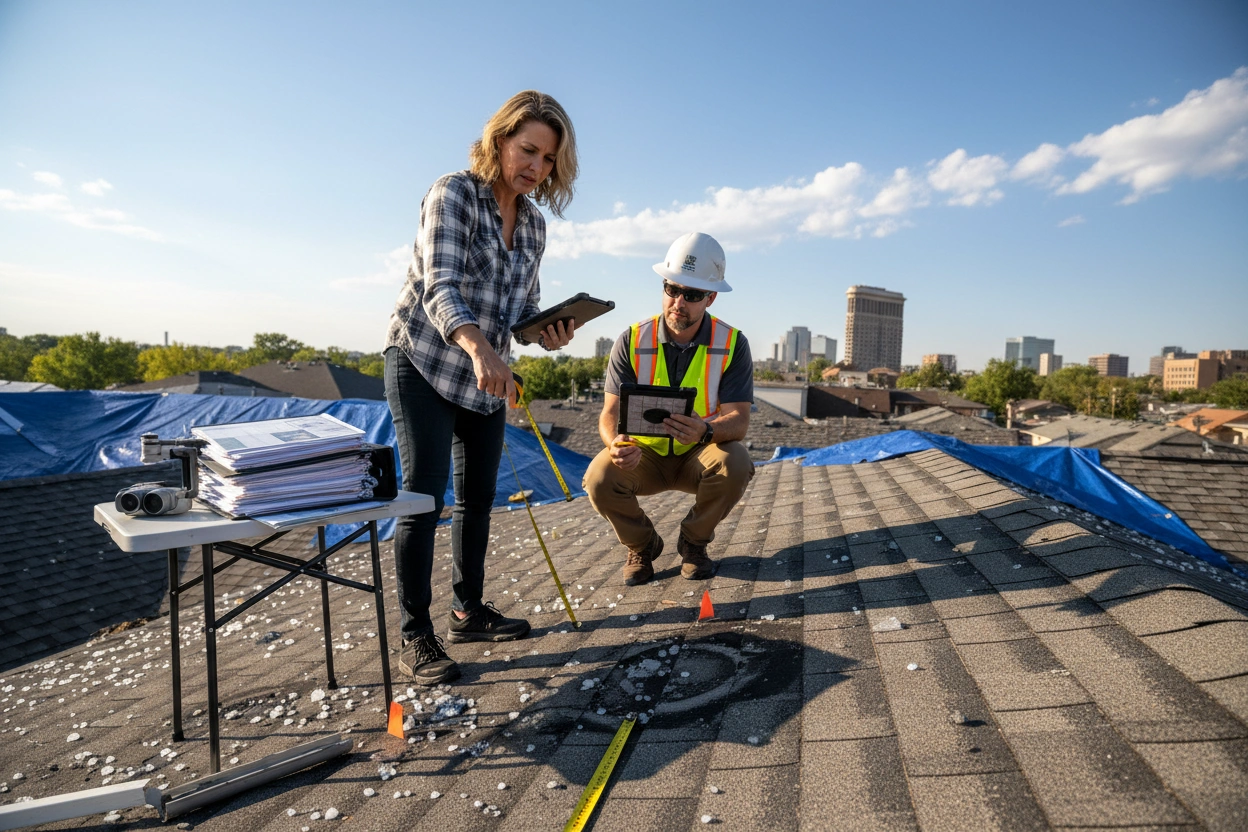
When it comes to Denver hail damage claims, your documentation makes or breaks your payout. Insurers look for procedural gaps to minimize settlements, so you need timestamped photos, licensed contractor estimates, and pre-storm condition records before you even pick up the phone. File promptly, put everything in writing, and organize damage evidence room by room. Get these fundamentals right, and the rest of the claims process becomes a lot easier to navigate.
Key Takeaways
- Photograph all hail damage immediately after the storm, including timestamps, to establish a clear timeline insurers cannot dispute.
- Obtain multiple itemized repair estimates from licensed contractors to strengthen negotiations and prevent adjuster undervaluation.
- Pre-storm inspection records create before-and-after comparisons that clearly separate existing wear from new hail damage.
- Submit all documentation in writing and retain copies of every correspondence to maintain a verifiable claim record.
- Avoid starting repairs before the adjuster's inspection, as premature work can weaken or invalidate your claim entirely.
Why Denver Hail Claims Get Delayed (and Denied)
Hail claims in Denver get delayed and denied more often than they should—not because the damage isn't real, but because insurers have perfected the process of finding procedural reasons to reduce or reject payouts.
Late reporting, incomplete documentation, and missed deadlines all give adjusters leverage during insurance adjustments to minimize what you receive.
Denver's intense hail seasons mean adjusters are handling high claim volumes, which increases the likelihood your file gets deprioritized or scrutinized for technicalities.
If you don't document damage immediately and thoroughly, you're handing the insurer an easy exit.
Understanding the claim process isn't optional—it's your first line of defense.
Every gap in your records becomes a reason to delay your payout or question the severity of what your property actually sustained. Routine inspections can help ensure that all damage is promptly recorded and addressed.
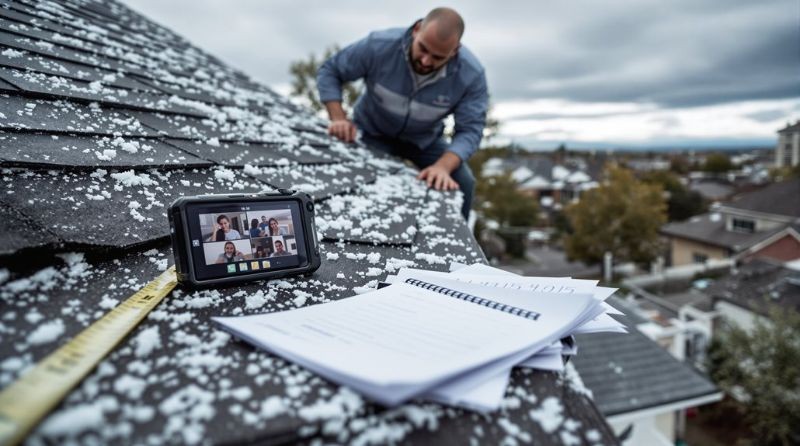
What to Document Immediately After a Hailstorm
The moment the storm passes, grab your phone and photograph every area of visible damage—roofing, gutters, siding, skylights, HVAC units, and any personal property affected.
Record the exact date and time of the storm, and cross-reference it with official weather reports to establish an undeniable timeline for your claim.
Cataloging every affected area of the property, room by room and surface by surface, strengthens your position and leaves adjusters with little room to minimize your payout. Additionally, maintaining a proactive maintenance approach can help prevent further damage while your claim is processed.
Photograph All Visible Damage
Once the storm passes and it's safe to go outside, start photographing every inch of visible damage before anything is touched, cleaned, or repaired. Your photos are the foundation of your entire claim process, and insurers scrutinize them closely.
Capture wide shots to establish context, then move in for close-ups of every dent, crack, puncture, and bruise mark on roofing, siding, gutters, skylights, HVAC units, and window screens. Include timestamps on every image.
Photograph undamaged areas too — insurers use them as comparison points. Most insurance policies require prompt reporting and detailed evidence. Weak documentation gives adjusters room to undervalue or deny your claim.
The more precise and thorough your photos are, the harder it becomes for the insurer to dispute the scope of damage.
Record Date And Time
Why does the exact date and time of a hailstorm matter to your claim? Insurers cross-reference your reported incident against official weather data. Any discrepancy weakens your position and gives adjusters grounds to delay or dispute your payout.
Start an incident log immediately after the storm. Record the precise date, start time, and duration of the hailstorm. Note when you first observed damage. Your time stamps on photos, videos, and written notes should align consistently across all documentation.
Pull weather service records or local news reports confirming the storm event and save them alongside your log. Inconsistencies between your records and verified weather data raise red flags.
Tight, corroborated time stamps eliminate that vulnerability and keep your claim moving forward without unnecessary delays.
Note Affected Property Areas
After locking in your time stamps, your next move is mapping every area of the property that took damage.
Don't limit your documentation to the roof—comprehensive roof assessments matter, but adjusters also want evidence from gutters, siding, windows, skylights, HVAC units, fencing, and exterior fixtures.
Each affected zone should be catalogued separately with close-up and wide-angle photos that clearly show impact density and surface damage.
Send tenant notifications immediately after your walkthrough.
Tenants can identify interior damage you might miss—ceiling stains, broken skylights, or compromised seals—and their accounts strengthen your claim file.
Collect written statements if possible.
A thorough, zone-by-zone damage map signals to your insurer that you're organized, informed, and prepared to push back against any attempt to undervalue your payout.
The Rental Property Evidence That Adjusters Actually Want
When you file a hail damage claim, adjusters aren't looking at every photo you took — they're looking for close-ups of impact marks on soft metals like gutters, downspouts, and AC units, because those dents are the clearest proof of storm damage.
You'll also need to separate pre-existing wear from new damage before the adjuster shows up, or they'll use that ambiguity against your claim.
Finally, get repair estimates from licensed Denver contractors who itemize hail-specific damage line by line, since vague quotes give adjusters room to undervalue your payout. Additionally, having a reliable property specialist can significantly enhance your claim process by ensuring that all documentation is thorough and accurate.
Photos Adjusters Actually Use
Most adjusters won't tell you this, but a blurry photo of a dented roof panel won't move your claim forward—documentation that establishes causation, scope, and pre-loss condition will.
Understanding adjuster preferences means capturing effective visuals that directly support your claim's narrative.
Shoot what adjusters actually need:
- Timestamp-embedded photos taken within 24–48 hours of the storm event
- Close-up impact shots showing bruising, fractures, or granule displacement with a reference object for scale
- Wide-angle context photos establishing which section of the property sustained damage
- Pre-loss comparison images pulled from Google Street View or prior inspection records
- Drainage and gutter documentation showing granule accumulation as secondary hail evidence
Every frame you capture should answer a question an adjuster would otherwise leave unresolved.
Documenting Pre-Existing Damage
Separating pre-existing deterioration from storm-caused damage is where adjusters probe hardest—and where underprepared landlords lose the most claim value. Your damage history documentation creates the boundary line adjusters can't dispute.
Conduct a pre-storm inspection before hail season and photograph every surface—roofing, gutters, siding, skylights, and HVAC equipment. Date-stamp everything and store it with maintenance records.
When a claim opens, you're presenting a clear before-and-after comparison rather than asking an adjuster to take your word for it.
Without this baseline, adjusters attribute borderline damage to wear and tear, slashing your payout. With it, you control the narrative.
A dedicated property specialist can coordinate these inspections and keep your documentation current, eliminating the gaps adjusters exploit.
Repair Estimates That Matter
The Rental Property Evidence That Adjusters Actually Want
The estimate you submit shapes how your adjuster values every line item—so garbage in means a reduced payout out. A thorough repair cost analysis from a licensed contractor carries far more weight than a ballpark figure.
Get multiple bids for contractor comparison leverage, then submit the most detailed one:
- Line-itemized labor and materials costs
- Manufacturer-specific replacement shingles matching your current roof
- Scope that separates hail damage from wear-and-tear
- Written contractor credentials and license numbers
- Itemized permits and disposal fees
Adjusters discount vague estimates. Detailed documentation forces them to justify every deduction in writing.
Your contractor's specificity directly protects your settlement figure—don't let a weak estimate hand your adjuster an easy reason to underpay.
How to File a Hail Damage Claim That Holds Up
Filing a hail damage claim the right way starts before you even call your insurance company. Organize your documentation first—timestamped photos, contractor estimates, and your pre-storm condition records.
When you initiate insurance communication, be specific. Reference storm dates, affected systems, and estimated repair costs. Vague descriptions give adjusters room to undervalue your claim.
During claim submission, submit everything in writing and keep copies of all correspondence. Don't accept a verbal scope—request the adjuster's written assessment and compare it line by line against your contractor's estimate.
If there are gaps, dispute them with supporting documentation. Insurers respond to evidence, not frustration. A well-organized, detail-heavy claim submission puts you in a stronger position to recover the full cost of legitimate storm damage. Additionally, proactive care can help maintain your property’s value, making it easier to justify repair costs during claims.
Mistakes Denver Landlords Make That Slow Down Payouts
Even landlords who carry solid coverage leave money on the table by making avoidable procedural mistakes.
Poor communication with your insurer and incomplete records are the two fastest ways to shrink your payout or stall it indefinitely.
Watch for these common missteps:
- Waiting too long to report damage after a storm event
- Letting contractors start repairs before the adjuster inspects
- Submitting photos without timestamps, addresses, or damage descriptions
- Relying on verbal agreements instead of written contractor estimates
- Failing to track tenant communications related to the damage
Each mistake gives your insurer grounds to question your claim's validity or reduce the settlement amount.
Document everything in writing, respond to adjuster requests promptly, and don't assume your coverage automatically works in your favor without the evidence to back it up. Additionally, ensuring 24/7 rental support can help streamline the communication process during claims.
When to Bring in a Property Specialist Before Filing
Getting your documentation and property condition right before you file is just as important as avoiding mistakes after the fact.
Bringing in a property specialist for a timely assessment before you contact your insurer gives you a critical advantage. They'll conduct a thorough damage evaluation, identifying issues that untrained eyes miss and that adjusters will scrutinize.
A specialist also reviews your preventative maintenance history, confirming you've upheld your duty of care—a detail insurers use to challenge or reduce payouts. Their expert advice helps you organize repair records, photos, and timelines into a defensible claim package. Additionally, they can help ensure that any long-term maintenance planning is documented, which further supports your case.
Don't wait until after you've filed to discover gaps in your documentation.
A pre-claim specialist walkthrough positions you to present a complete, accurate, and maximized claim from the start.
Frequently Asked Questions
How Long Does a Typical Denver Hail Damage Claim Take to Settle?
Denver hail damage claims typically take 30–90 days to settle. You can speed up your settlement timeline by documenting damage thoroughly from the start, keeping the claim process moving with prompt insurer follow-ups.
Can Tenants File a Hail Damage Claim Directly With Your Insurance?
Tenants can't file a claim on your policy—that's your right as the policyholder. However, understanding tenant rights within the claim process helps you coordinate effectively, ensuring damage gets reported quickly and you maximize your payout.
Does Hail Damage Affect Your Rental Property's Future Insurance Premiums?
Yes, hail damage claims can trigger premium increases on your insurance coverage. You'll want to document everything thoroughly and negotiate strategically to maximize your claim payout while minimizing the long-term impact on your policy rates.
What Hail Size Threshold Typically Causes Claimable Roof Damage in Denver?
In Denver, you'll typically find that 1-inch hail triggers claimable roof damage. Don't underestimate a hail impact assessment—roof material vulnerability varies, so even smaller stones can damage older or softer materials, maximizing your claim potential.
Should You Notify Tenants Before an Insurance Adjuster Visits the Property?
Yes, you should notify tenants before an adjuster visits — it's smart tenant communication and proper insurance protocol. Give at least 24-48 hours' notice, coordinate access, and guarantee they're cooperative to maximize your claim's outcome.
Conclusion
You don't have to accept a lowball payout or a drawn-out claims process. Document everything immediately, organize your evidence strategically, and don't let gaps in your records cost you money you're rightfully owed. Denver's hail season won't wait, and neither should your preparation. When you treat documentation as your primary claims weapon, you put yourself in the strongest possible position to maximize your payout — fast.