

The Unique Climate Challenges of Denver Rentals
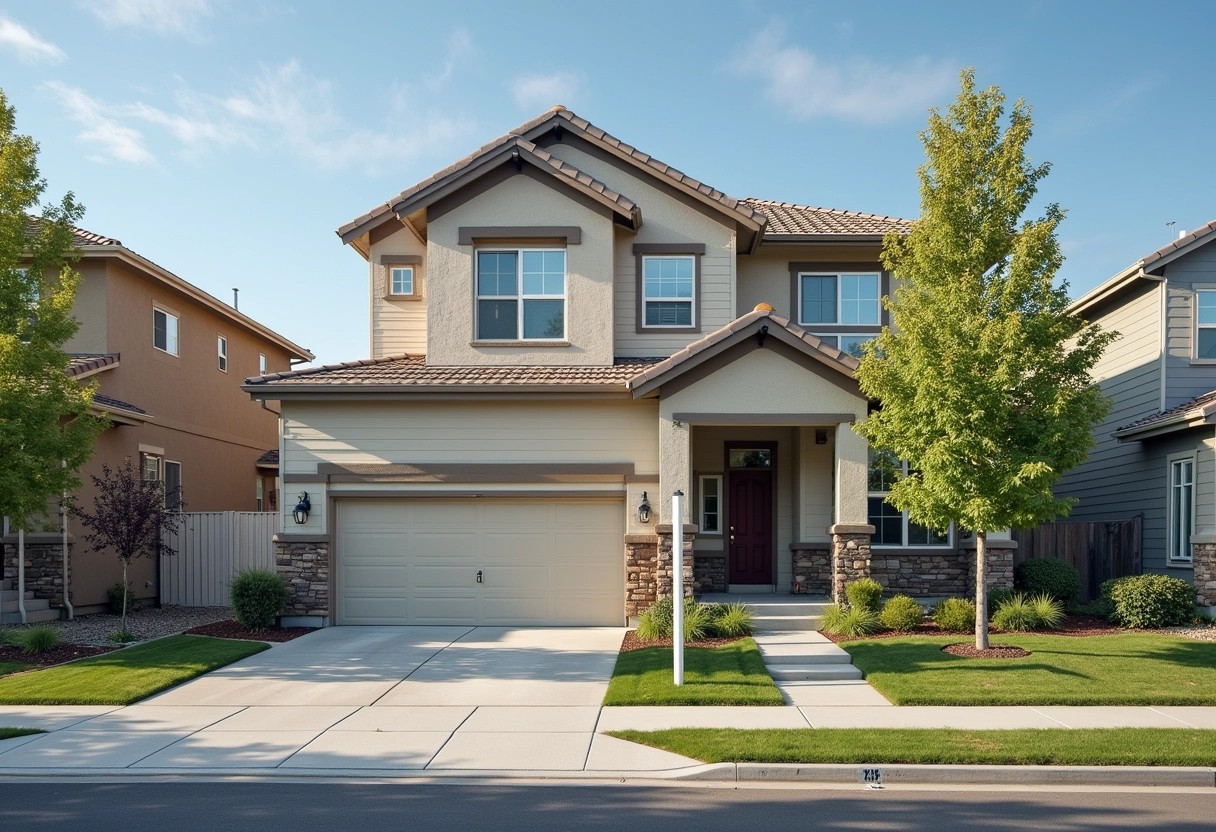
Denver's high altitude and variable weather patterns create a set of challenges that can significantly impact rental properties. The elevation, approximately 5,280 feet above sea level, affects everything from air pressure to UV exposure, leading to unique wear and tear on building materials. For instance, wood and roofing materials may dry out more quickly, resulting in cracks or leaks. Understanding how altitude affects property materials is essential for landlords looking to maintain their investments.
Seasonal weather variations in Denver also play a critical role in property upkeep. The city experiences hot summers, cold winters, and unpredictable spring and fall weather, which can lead to issues such as frozen pipes or roof damage from heavy snow. Regular attention to these seasonal changes is vital to prevent long-term damage. Landlords should consider how these factors influence maintenance schedules and be proactive in addressing potential problems before they escalate.
Essential Preventive Maintenance Strategies
Implementing regular inspections is one of the most effective preventive maintenance strategies for rental properties. Conducting seasonal checks allows landlords to catch issues early, such as roof leaks or HVAC system inefficiencies, which can become costly if left unaddressed. Inspections should focus on both the interior and exterior of the property, ensuring that every aspect of the home is functioning as intended.
Seasonal maintenance tasks should also be prioritized to keep properties in optimal condition. In the spring, landlords should inspect gutters and downspouts for debris, while summer is the perfect time to check air conditioning units. Autumn calls for cleaning chimneys and ensuring heating systems are ready for winter, while winter maintenance may involve checking insulation and addressing snow removal. By creating a seasonal maintenance checklist, landlords can streamline upkeep and enhance the longevity of their properties.
Cost-effective Solutions for Rental Upkeep
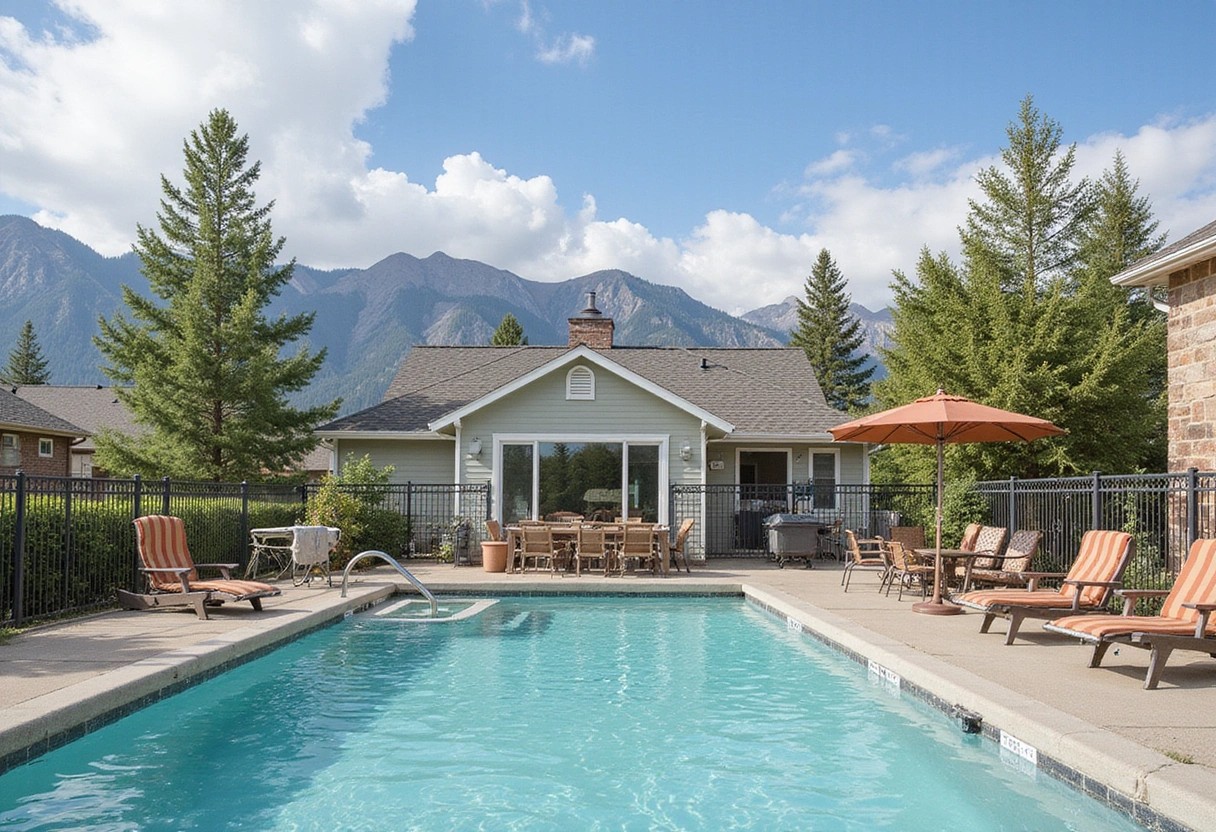
Maintaining rental properties doesn't have to break the bank. There are several budget-friendly maintenance tips that landlords can implement to keep costs down while ensuring properties remain in good condition. Simple actions, such as performing regular cleaning and minor repairs, can prevent more significant issues from developing. For example, cleaning gutters and replacing worn weather stripping are low-cost tasks that can protect against water damage and improve energy efficiency.
Investing in durable materials can also lead to long-term savings. Choosing high-quality roofing, siding, and flooring materials designed to withstand Denver's climate can reduce the frequency of repairs and replacements. While the initial investment may be higher, the long-term benefits of lower maintenance costs and increased property value often outweigh the upfront expenses. Landlords should consider the life cycle of materials and their performance in high-altitude environments when making decisions.
Navigating the Denver Rental Market
Understanding rental demand fluctuations in Denver is essential for effective property management. The local rental market can vary significantly based on seasonal trends, economic factors, and demographic shifts. Landlords should stay informed about market conditions to adjust their rental strategies accordingly. For instance, during peak tourist seasons, short-term rental options might be more lucrative, while long-term rentals may be in higher demand during other times of the year.
Adjusting maintenance strategies based on tenant needs is also critical in a competitive rental market. Providing prompt maintenance responses and being proactive in addressing tenant concerns can lead to higher tenant retention rates and positive reviews. Landlords should consider establishing a clear communication channel for tenants to report issues, ensuring that maintenance requests are handled efficiently and effectively.
The Intersection of Property Care and Tenant Satisfaction
As property management can often feel overwhelming, RentalRiff provides the support needed to address these unique challenges. Our platform offers tailored solutions that focus on maintenance and tenant support without the costs associated with full-service property management.
By applying the strategies discussed in this article, landlords can effectively navigate the complexities of high-altitude rental upkeep. RentalRiff is here to assist you in implementing these strategies, ensuring your properties remain in top condition while enhancing tenant satisfaction. For more information on how to hire a property manager, visit our website or contact us today.