

Are you tired of high utility bills eating into your rental income? Many landlords in Denver face the challenge of managing rising utility costs while trying to maintain profitability. This article explores effective strategies for enhancing rental efficiency in Denver while lowering utility costs. By adopting sustainable practices and making strategic upgrades, you can improve your property's performance and increase your bottom line.
Exploring the Denver Rental Market Landscape
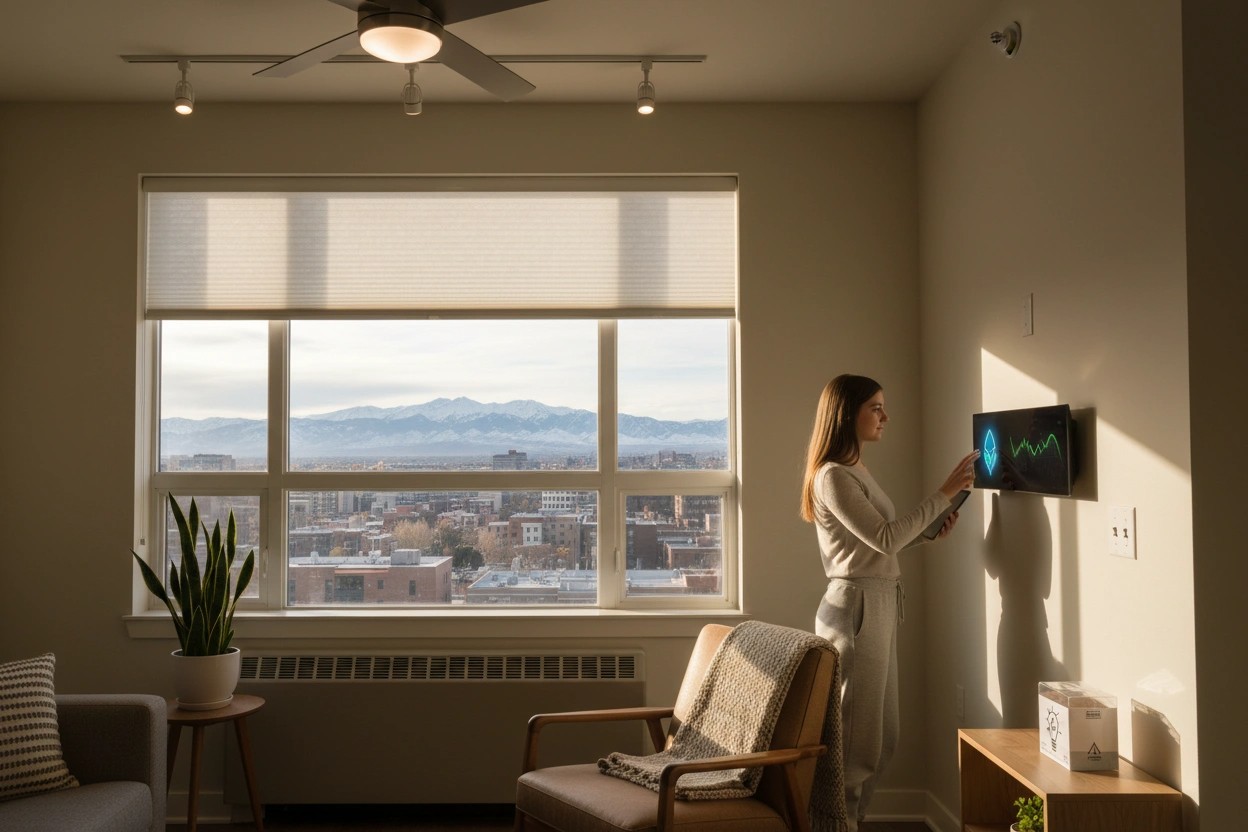
The Denver rental market has seen significant changes in recent years, characterized by rising demand and fluctuating prices. As of 2026, the city continues to attract a diverse population, leading to an increase in rental properties. The competition among landlords is fierce, which makes it essential to understand current trends to stay ahead. One notable trend is the increasing focus on energy efficiency, as both tenants and landlords recognize the importance of sustainable living.
Utility costs have a direct impact on rental prices. High energy bills can deter potential tenants, making it crucial for landlords to find ways to mitigate these expenses. A property that demonstrates energy efficiency can command higher rents and attract environmentally-conscious tenants. Understanding the dynamics of the Denver rental market, including how utility costs influence tenant decisions, is essential for any landlord looking to optimize their property’s appeal.
Current Trends in Denver's Rental Market
- Increased demand for eco-friendly rental properties.
- The rise of smart home technology in rental units.
- Greater tenant interest in energy-efficient amenities.
Impact of Utility Costs on Rental Prices
- High utility costs can reduce tenant interest, leading to longer vacancy periods.
- Properties with lower utility expenses can justify higher rents.
- Landlords may need to adjust rental prices based on utility cost trends.
Actionable Strategies for Utility Cost Reduction
Identifying high utility expenses is the first step toward achieving significant cost reductions. Landlords should conduct a thorough analysis of their utility bills to pinpoint areas where savings can be realized. Common culprits include heating, cooling, and water usage. Implementing cost-effective solutions can lead to substantial savings over time.
One effective strategy is to install programmable thermostats, which allow for better temperature control and energy savings. Additionally, regular maintenance of HVAC systems can prevent inefficiencies that lead to higher energy consumption. By taking proactive steps to improve utility efficiency, landlords can create a more sustainable rental environment while enhancing their profitability.
Identifying High Utility Expenses
- Review utility bills for patterns and spikes in usage.
- Identify which utilities are the most costly (electricity, gas, water).
- Assess the efficiency of existing appliances and systems.
Implementing Cost-Effective Solutions
- Install energy-efficient appliances to reduce consumption.
- Consider weatherproofing and insulation improvements.
- Utilize renewable energy sources, like solar panels, where feasible.
Understanding Tenant Responsibilities for Utilities
Clarifying tenant utility responsibilities is essential for maintaining a smooth landlord-tenant relationship. Many landlords assume tenants understand their obligations regarding utility payments, but this is often not the case. Clear communication about which utilities are the tenant's responsibility can prevent disputes and misunderstandings.
Common misconceptions include the belief that all utilities are included in the rent. Landlords should provide a detailed breakdown of utility responsibilities in the lease agreement. This transparency not only sets clear expectations but also encourages tenants to be more mindful of their usage, ultimately benefiting both parties.
Clarifying Tenant Utility Responsibilities
- Clearly outline utility responsibilities in the lease agreement.
- Discuss which utilities are included in rent and which are separate.
- Educate tenants on how their usage impacts their bills.
Common Misconceptions About Tenant Obligations
- Tenants may assume all utilities are included in rent.
- Some tenants may not understand how usage affects costs.
- Miscommunication can lead to disputes over unpaid bills.
Enhancing Your Rental Property With Upgrades
Upgrading rental properties not only improves tenant satisfaction but also enhances energy efficiency. Simple upgrades can lead to significant savings, making it a worthwhile investment for landlords. For instance, replacing old windows with double-pane options can reduce heating and cooling costs, while modernizing insulation can improve overall energy efficiency.
Cost-effective energy-saving installations can include LED lighting, low-flow fixtures, and ENERGY STAR-rated appliances. These upgrades often pay for themselves over time through reduced utility bills, making them an attractive option for landlords looking to enhance their properties without excessive upfront costs.
Benefits of Rental Property Upgrades
- Improved tenant comfort and satisfaction.
- Potential for higher rental rates due to enhanced property value.
- Long-term savings on utility costs.
Cost-Effective Energy-Saving Installations
- Replace incandescent bulbs with LED lighting.
- Install low-flow showerheads and faucets.
- Upgrade to energy-efficient appliances to reduce energy consumption.
The Path to Sustainable Rental Practices
As utility costs continue to rise, landlords in Denver have a unique opportunity to position their properties as energy-efficient and sustainable.
For independent landlords and small portfolio property owners, navigating these changes can be challenging. RentalRiff provides the support you need to implement these strategies effectively. Contact us today to learn more about how we can assist you in optimizing your rental property for efficiency and sustainability.